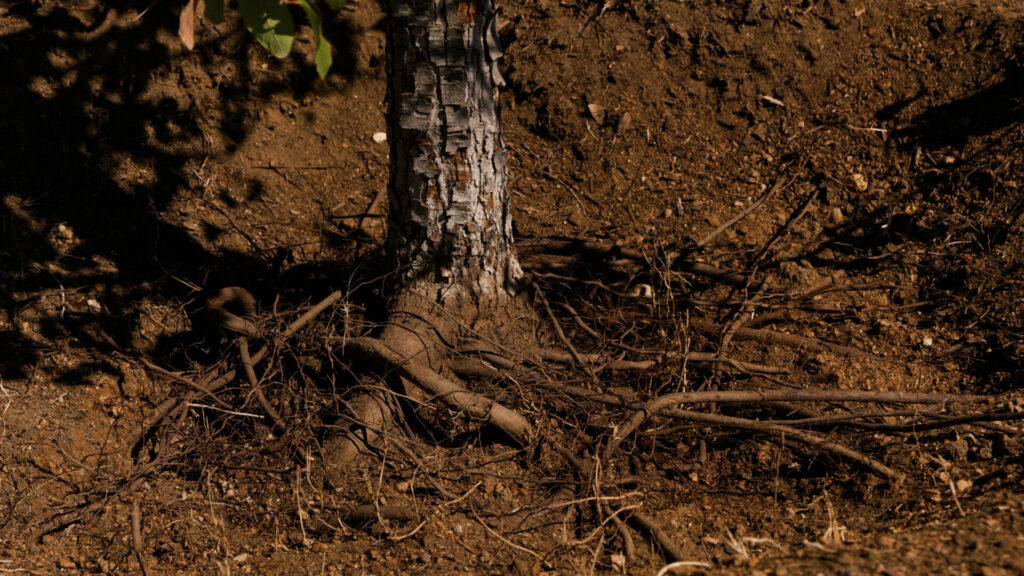
Overgrazing in the Texas Hill Country
Why Timing, Movement, and Recovery Matter More Than Stocking Rate
Overgrazing is one of the most commonly cited causes of land degradation in the Texas Hill Country. It is also one of the most misunderstood.
The term is often used as shorthand for “too many animals,” but landscapes degrade under many stocking rates when grazing pressure is applied repeatedly without sufficient recovery. In contrast, land can remain resilient under relatively high animal densities when timing, movement, and rest align with ecological limits.
This article explains overgrazing as a process failure, not a single decision or number. It focuses on how repeated pressure, limited recovery, and constrained movement shape soil, vegetation, and water outcomes across Central Texas.
This Foundations piece builds on Soil Health as the Engine of Water Health in Central Texas, Scale, Fragmentation, and Why Good Practices Don’t Always Scale, and Monitoring, Learning, and Adaptive Management in Central Texas.
What Overgrazing Actually Means Ecologically
Overgrazing occurs when plants are defoliated again before they have recovered sufficiently from previous grazing.
The Natural Resources Conservation Service defines overgrazing as repeated grazing that exceeds a plant’s ability to recover, regardless of animal numbers.
https://www.nrcs.usda.gov/conservation-basics/land-use/grazing
This framing shifts attention from herd size to:
- Frequency of grazing
- Timing relative to plant growth
- Length of recovery periods
- Distribution of grazing pressure
Overgrazing reflects pressure over time, not a single moment of use.
Why Stocking Rate Alone Explains Very Little
Stocking rate is easy to measure. Recovery is not.
Two properties with identical stocking rates can experience very different outcomes depending on:
- Rainfall timing
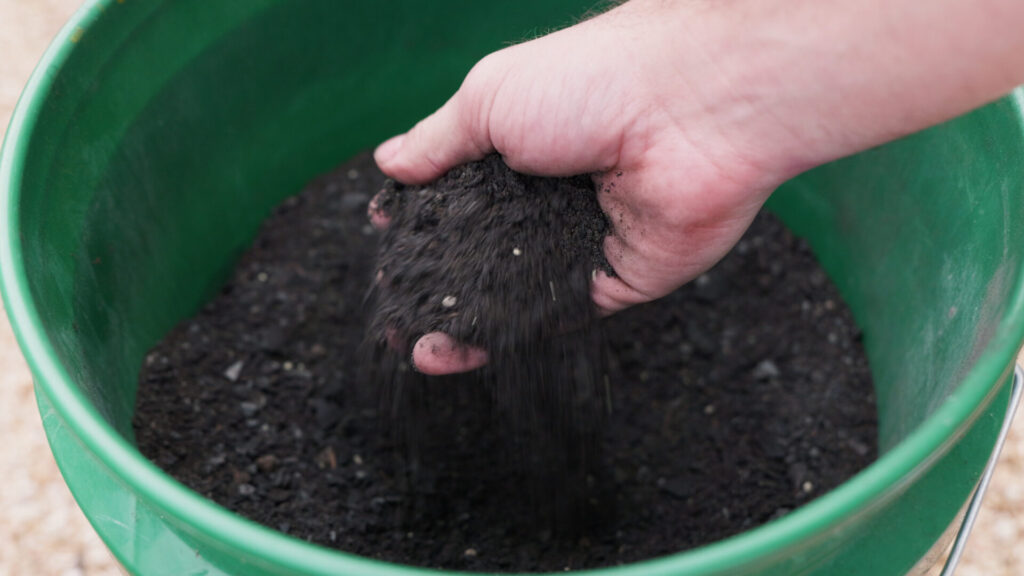
- Soil depth and condition
- Plant species present
- Grazing distribution
Research summarized by the USDA highlights that grazing impact depends on timing, intensity, and recovery rather than animal numbers alone.
https://www.usda.gov/sites/default/files/documents/grazing-management.pdf
This helps explain why some lightly stocked lands degrade while some heavily stocked lands remain functional.
Repeated Grazing Without Recovery Drives Degradation
Plants rely on leaf area to rebuild roots, replenish energy reserves, and maintain soil cover.
When grazing returns too soon:
- Root systems shrink
- Soil aggregation declines
- Bare ground increases
- Infiltration decreases
- Erosion accelerates
These soil responses are explored in Soil Health as the Engine of Water Health in Central Texas.
Once soil function declines, water moves faster across the surface, compounding vegetation stress and increasing runoff.
Movement Determines Where Grazing Pressure Accumulates
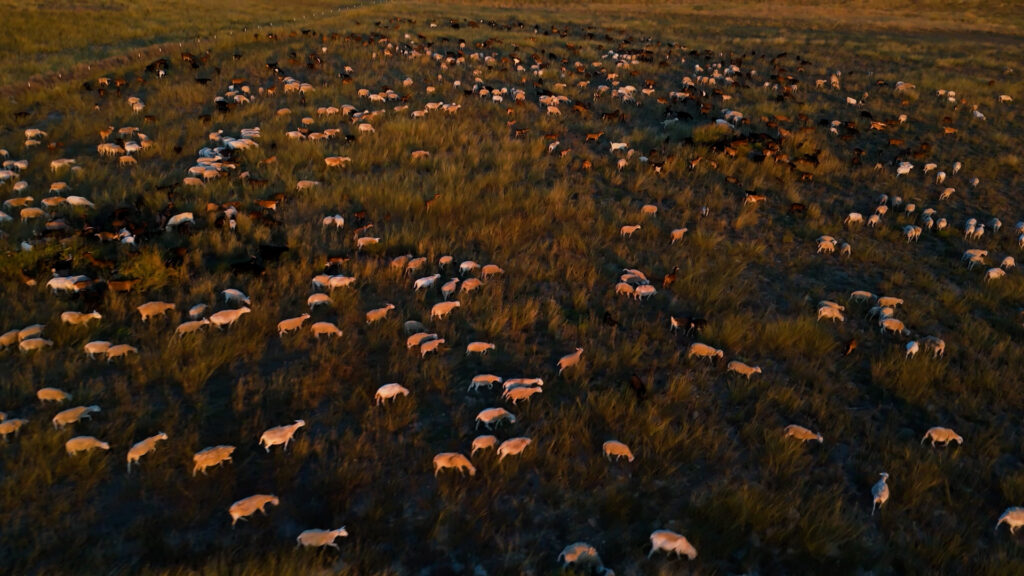
Animals do not graze evenly.
They concentrate near:
- Water
- Shade
- Preferred forage
- Accessible terrain
Without intentional movement or structural diversity, grazing pressure accumulates in predictable areas. These zones experience repeated defoliation even when overall stocking rates appear reasonable.
Fragmentation further concentrates pressure by limiting movement options, a constraint discussed in Scale, Fragmentation, and Why Good Practices Don’t Always Scale.
Overgrazing and Woody Encroachment Are Linked
In the Texas Hill Country, overgrazing often precedes woody plant expansion.
Repeated pressure reduces grass cover and root mass, creating conditions that favor woody species less palatable to livestock. Juniper and other woody plants then occupy space left by declining grasses.
This pattern is explored in Grazing, Recovery, and Woody Encroachment in Central Texas.
Woody encroachment reflects lost grass function more than grazing presence alone.
Overgrazing Alters Fire and Water Dynamics
Grass cover influences both fire behavior and hydrology.
Reduced grass:
- Limits fuel continuity for fire
- Increases runoff and erosion
- Reduces infiltration and soil moisture
These interactions are discussed in Fire in the Texas Hill Country and Urbanization, Permeability, and Water Movement in Central Texas, where reduced surface cover accelerates water movement.
Fragmentation Makes Recovery Harder
Recovery depends on time and flexibility.
Fragmented landscapes restrict:
- Grazing movement
- Rest periods
- Adaptive responses to drought
As parcels shrink and land uses diversify, recovery windows narrow. Even well-managed operations face structural limits that shape outcomes.
These constraints reinforce the need for adaptive decision-making, discussed in Monitoring, Learning, and Adaptive Management in Central Texas.
What Overgrazing Explains and What It Does Not
Overgrazing helps explain:
- Grass decline
- Increased bare ground
- Reduced infiltration
- Accelerated erosion
Overgrazing does not explain:
- All woody expansion
- All flooding
- All water scarcity
Those outcomes reflect interactions among grazing, soil condition, urbanization, fire regimes, and geology.
A Systems Perspective on Overgrazing
Overgrazing emerges from the interaction of pressure, timing, movement, and recovery.
When recovery aligns with plant growth and soil condition, grazing supports resilience. When recovery is constrained, even modest pressure produces degradation.
Understanding overgrazing as a process allows land managers to adjust decisions without defaulting to blame or simplistic solutions.
A Final Note on Responsibility and Expectation
Overgrazing is rarely intentional. It often reflects inherited systems, limited flexibility, and unpredictable rainfall.
Improvement begins with observation:
- Where pressure concentrates
- How quickly plants recover
- Whether soil remains protected
From there, management can adapt within real constraints rather than chasing fixed prescriptions.
Frequently Asked Questions About Overgrazing in the Texas Hill Country
What Causes Overgrazing?
Overgrazing results from repeated grazing without sufficient recovery, not from animal numbers alone.
Can Light Stocking Still Cause Overgrazing?
Yes. If grazing returns before plants recover, degradation can occur even at low stocking rates.
How Long Does Recovery Take?
Recovery time varies by rainfall, soil condition, and plant species. In many cases, it requires an entire growing season or longer.
Is Overgrazing the Same as Poor Grazing Management?
Overgrazing reflects outcomes rather than intent. Structural constraints, drought, and fragmentation often limit options.
Does Overgrazing Lead to Juniper Expansion?
Reduced grass function following repeated grazing creates conditions that favor woody plants.
Can Overgrazed Land Recover?
Recovery is possible when pressure is adjusted and adequate rest is provided, though timelines vary widely.
Related Educational Context
For foundational context across land regeneration and water health, visit our Central Texas Land Regeneration Education hub.