Karst Hydrology and Water Movement in the Texas Hill Country

How Fractured Limestone Shapes Recharge, Springs, and Risk

Water in the Texas Hill Country behaves differently than it does in regions dominated by deep, continuous soils. Much of this difference comes from geology.

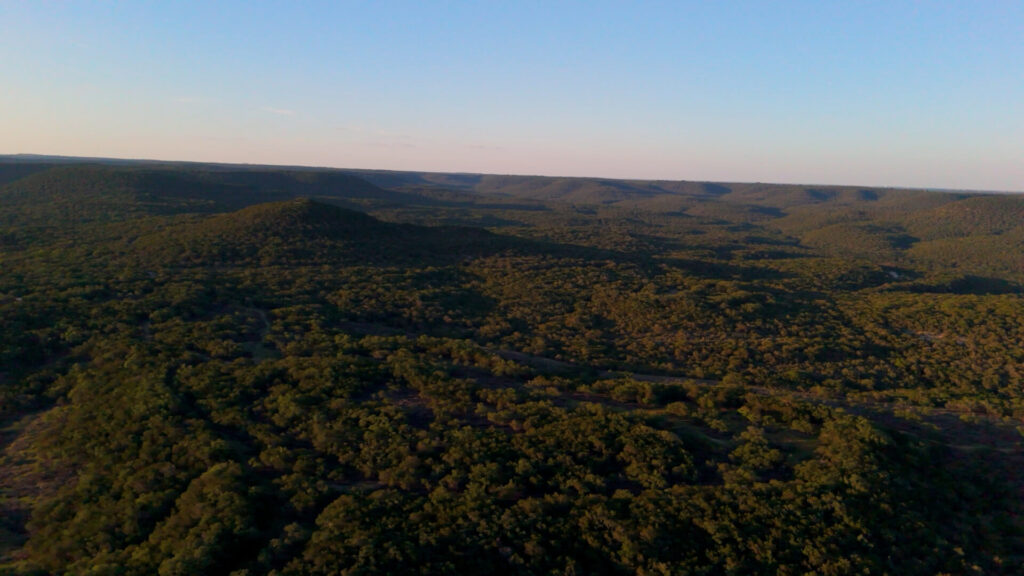
Large portions of Central Texas sit atop karst limestone, a landscape shaped by soluble rock, fractures, conduits, and voids that move water in complex and uneven ways. This subsurface structure governs how rainfall becomes recharge, how springs emerge, and why water availability varies dramatically across short distances.

This article explains how karst hydrology functions in the Texas Hill Country, how it interacts with soil and surface processes, and why misunderstandings about subsurface water lead to persistent management myths.

This Foundations piece builds on Soil Health as the Engine of Water Health in Central Texas, How Springs Actually Work in the Texas Hill Country, and Urbanization, Permeability, and Water Movement in Central Texas.

What Karst Hydrology Means in Central Texas

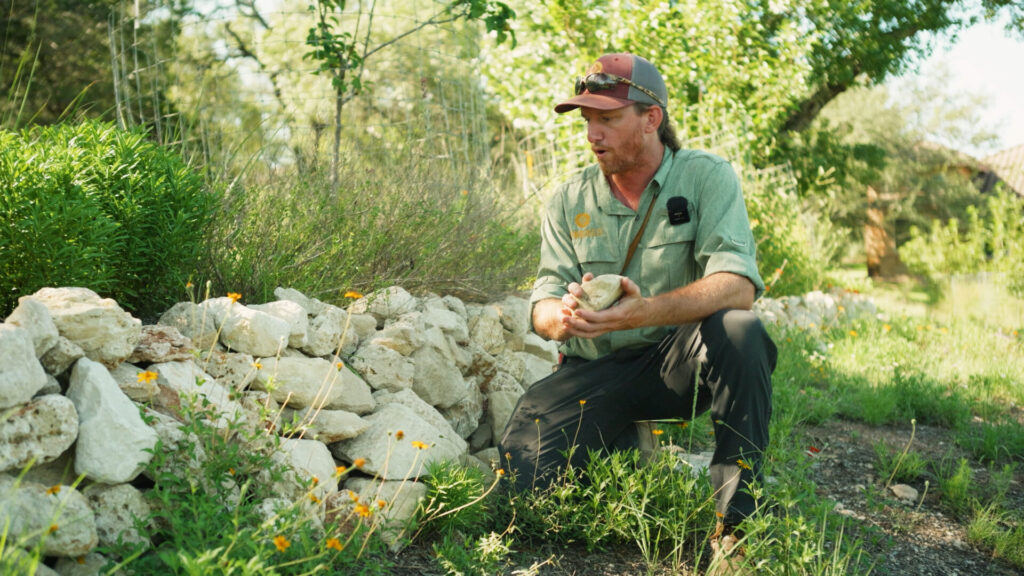
Karst landscapes form where soluble rock, primarily limestone, dissolves over time. This process creates fractures, enlarged joints, conduits, and voids that allow water to move rapidly underground.

In the Texas Hill Country, karst hydrology is characterized by:

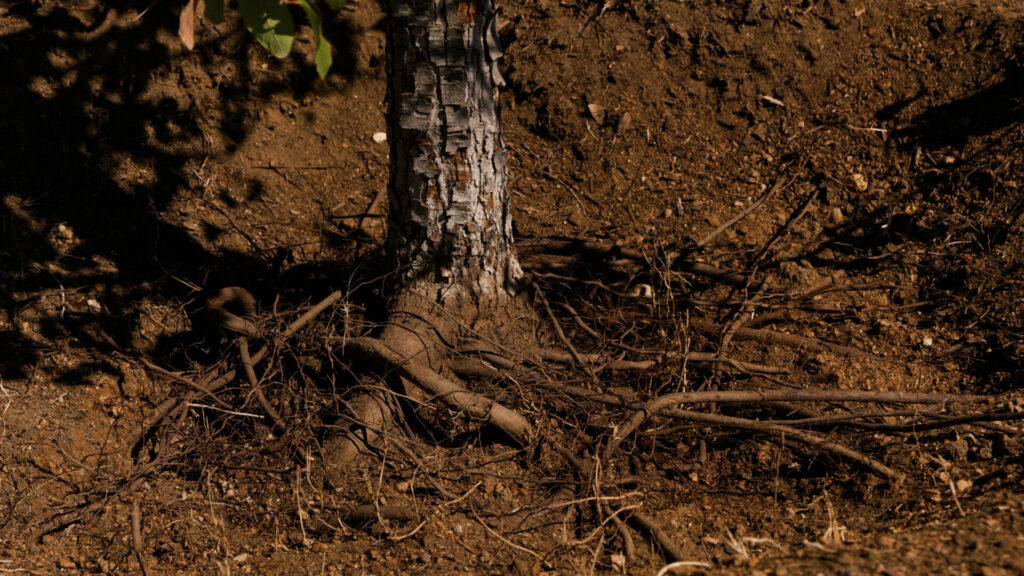
  • Thin, discontinuous soils

  • Fractured limestone near the surface

  • Rapid vertical and lateral water movement

  • Highly variable recharge and storage

The U.S. Geological Survey describes karst aquifers as systems where water movement is uneven, fast in some pathways, and slow or absent in others.
https://www.usgs.gov/special-topics/water-science-school/science/karst-topography

Fractured Limestone Moves Water Differently Than Soil

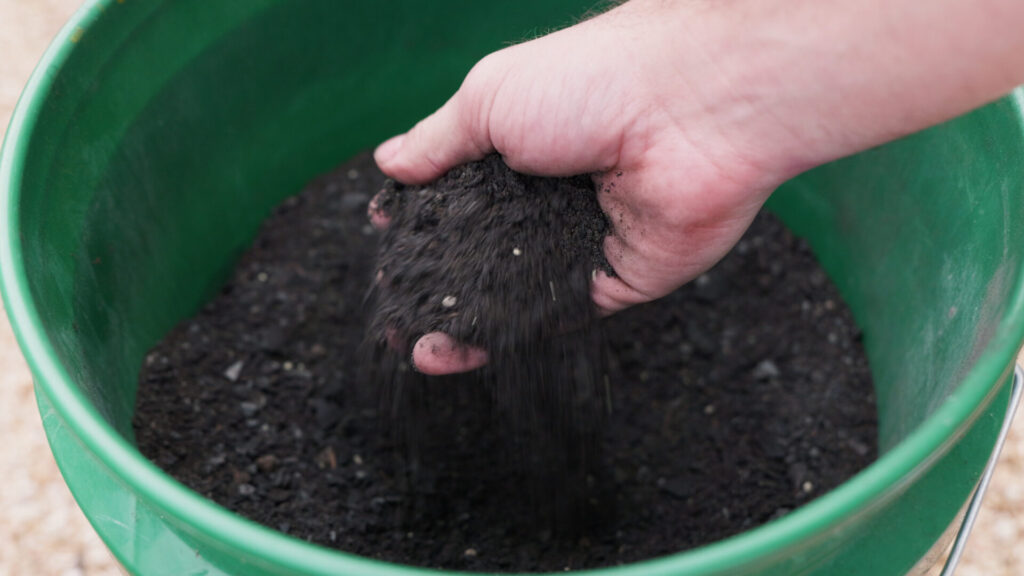
Soils store water through pore space created by aggregation, organic matter, and root channels. Karst limestone stores and transmits water through fractures and solution features.

These systems behave differently:

  • Soil storage slows water and increases residence time

  • Karst conduits can transmit water rapidly with limited filtration

  • Recharge varies dramatically based on fracture connectivity

The Texas Water Development Board notes that recharge to karst aquifers often occurs through focused pathways rather than uniform infiltration.
https://www.twdb.texas.gov/groundwater/aquifer/majors/edwards-trinity-plateau.asp

This explains why some areas recharge quickly while nearby areas remain dry under similar rainfall.

Recharge, Transmission, and Discharge Are Separate Processes

One of the most common sources of confusion in Hill Country water discussions is the assumption that visible flow equals recharge.

In karst systems:

  • Recharge refers to water entering the aquifer

  • Transmission refers to water moving through fractures and conduits

  • Discharge refers to water emerging at springs or seeps

A landscape can exhibit increased discharge without increased recharge if water moves through the system more quickly.

The USGS emphasizes this distinction in karst aquifer studies, noting that rapid conduit flow can reduce residence time even when flow appears abundant.
https://pubs.usgs.gov/fs/2004/3033/

This concept is central to understanding spring behavior.

Why Springs Are Variable and Often Misinterpreted

Hill Country springs respond to:

  • Rainfall timing

  • Antecedent soil moisture

  • Subsurface connectivity

  • Human alteration of surface conditions

Springs may flow strongly after storms and then disappear for long periods. This variability reflects how water moves through karst pathways rather than a steady underground reservoir.

As explained in How Springs Actually Work in the Texas Hill Country, short-term flow often reflects throughput rather than long-term storage.

The Texas Water Development Board documents similar variability in spring discharge tied to recharge timing and subsurface structure.
https://www.twdb.texas.gov/surfacewater/springs/

Soil Still Matters in Karst Landscapes

Karst geology does not eliminate the importance of soil.

Soil influences:

  • How much water reaches bedrock

  • Whether recharge occurs slowly or as rapid pulses

  • Filtration before water enters aquifers

  • Erosion and sediment delivery into fractures

Healthy soils increase residence time before water reaches limestone, improving infiltration quality and reducing flash runoff.

This interaction is explored in Soil Health as the Engine of Water Health in Central Texas, where soil function is treated as the first line of water management even in karst settings.

How Urbanization Alters Karst Hydrology

Karst systems are especially sensitive to surface disturbance.

Urbanization affects karst hydrology by:

  • Reducing infiltration into soil

  • Increasing rapid runoff into fractures

  • Introducing contaminants into recharge zones

  • Shortening residence time

The EPA notes that karst aquifers are particularly vulnerable to contamination because of rapid, direct recharge pathways.
https://www.epa.gov/ground-water-and-drinking-water/karst-aquifers-and-groundwater-vulnerability

This sensitivity helps explain why development can increase spring flow temporarily while degrading long-term water quality and storage.

Karst Hydrology and Scale

Karst systems integrate conditions across entire recharge zones.

Local improvements can:

  • Reduce erosion

  • Improve infiltration

  • Protect soil function

They cannot fully offset:

  • Widespread surface sealing

  • Regional loss of infiltration

  • Fragmented recharge areas

This limitation mirrors the constraints discussed in Scale, Fragmentation, and Why Good Practices Don’t Always Scale, where cumulative conditions dominate system behavior.

What Karst Hydrology Explains and What It Does Not

Karst hydrology helps explain:

  • Variable spring behavior

  • Rapid aquifer response to rainfall

  • Sensitivity to surface disturbance

  • Uneven recharge patterns

Karst hydrology does not explain:

  • All water scarcity

  • All flooding

  • All vegetation change

Those outcomes reflect interactions among geology, soil, land use, and climate.

A Systems Perspective on Karst Water

Karst hydrology emphasizes timing, pathways, and connectivity.

Water availability depends less on total rainfall and more on:

  • How water enters the system

  • How long it is retained

  • Where it moves

  • What it passes through

Understanding these dynamics reduces reliance on simplistic explanations and supports better expectations about what land management can influence.

A Final Note on Caution and Responsibility

Karst aquifers are productive and vulnerable.

Once contamination or structural degradation occurs, recovery is slow and uncertain. Protecting recharge areas, maintaining soil function, and limiting rapid runoff remain among the most effective ways to support long-term water resilience in the Hill Country.

Frequently Asked Questions About Karst Hydrology in the Texas Hill Country

What Is Karst Hydrology?
Karst hydrology describes how water moves through soluble rock such as limestone via fractures, conduits, and voids rather than uniform soil layers.

Does Removing Vegetation Increase Recharge in Karst Areas?
Vegetation removal can increase short-term runoff and visible flow. Long-term recharge depends on infiltration, soil condition, and residence time.

Why Do Springs Flow After Clearing or Development?
Reduced infiltration and storage can move water through the system more quickly, increasing short-term discharge without improving long-term storage.

Is Karst Water Storage Reliable?
Karst aquifers can store large volumes of water, but storage and flow vary widely depending on subsurface connectivity and recharge timing.

How Does Urbanization Affect Karst Aquifers?
Urbanization reduces soil infiltration, increases rapid recharge through fractures, and raises contamination risk.

Can Soil Health Improve Karst Water Outcomes?
Healthy soils slow water movement, improve filtration, and reduce erosion before water reaches limestone, supporting better recharge conditions.

Related Educational Context

For foundational context across land regeneration and water health, visit our Central Texas Land Regeneration Education hub.