How Springs Actually Work in the Texas Hill Country

Why Water Appears, Disappears, and Moves the Way It Does

Springs are one of the most misunderstood features of the Texas Hill Country landscape.

They are often treated as indicators of land health, proof that a management action worked, or evidence that water has been “brought back.” In reality, springs reflect how water is moving through a landscape at a given moment, not how much water is being stored or sustained over time.

This article explains how springs work in the Texas Hill Country, why visible flow is often misleading, and how land use influences the timing of water movement rather than its creation.

This Foundations piece builds directly on our earlier work exploring soil health and water health in Central Texas and Ashe juniper management in Central Texas, where spring flow is frequently referenced but rarely explained.

The Hill Country Is a Fractured Rock System With Thin Soils

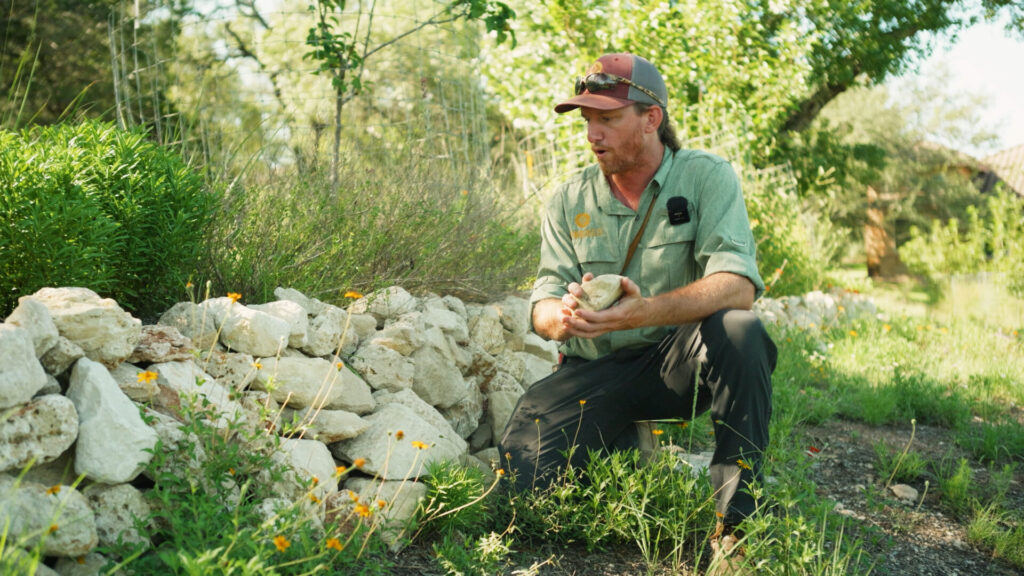
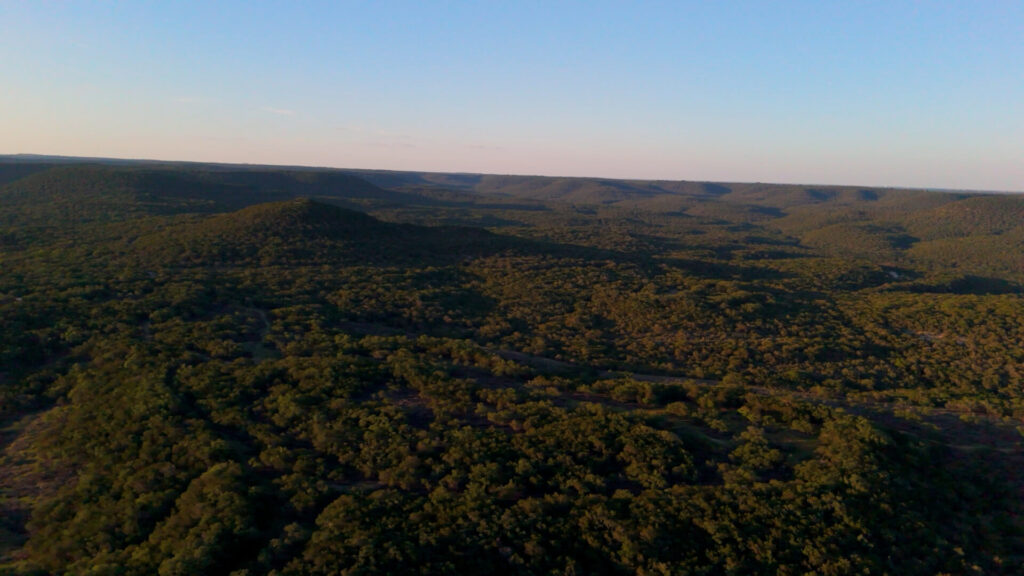
The Texas Hill Country sits primarily on fractured limestone, including the Edwards Plateau and related formations. These geologic layers store and move water very differently than deep alluvial soils or confined aquifers.

Key characteristics of this system include:

  • Thin, discontinuous soil layers

  • Extensive fracture and fault networks in bedrock

  • Limited surface storage capacity

  • Rapid vertical and lateral water movement once soil capacity is exceeded

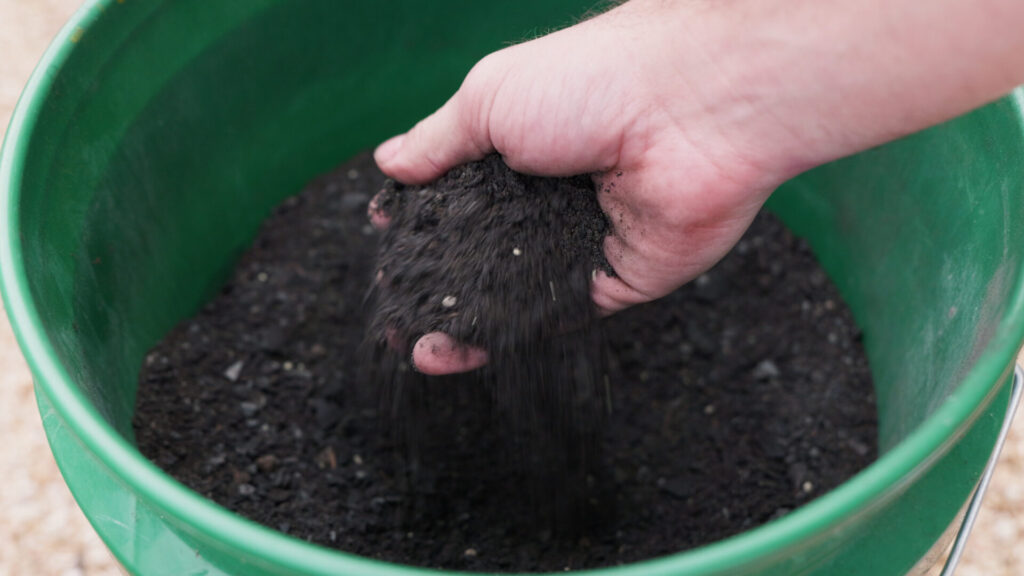
Soils act as the first buffering layer for rainfall. When soil structure and organic matter are intact, water moves slowly and remains available to plants and microbes. When soils are degraded or compacted, water bypasses this layer and enters fractures quickly.

Springs express that movement. They do not represent stored reserves.

For additional regional context, see our Foundations article on Texas Hill Country ecology and land-use history.

Soil Storage and Rock Storage Play Different Roles

Understanding how springs work in the Texas Hill Country requires separating two very different storage mechanisms.

Soil storage

  • Temporarily holds water near the surface

  • Releases moisture slowly to plants and microbes

  • Buffers rainfall variability

  • Reduces erosion and runoff

Rock storage

  • Depends on fractures, faults, and void connectivity

  • Moves water rapidly once pathways activate

  • Produces visible flow with limited buffering

  • Drains quickly after rainfall ends

Healthy soils increase water residence time. Fractured rock increases connectivity. When soil function declines, more water bypasses storage and moves rapidly through the subsurface, often producing short-lived spring flow.

For a deeper explanation of soil-mediated water behavior, see Soil health as the engine of water health in Central Texas.

Recharge, Runoff, and Residence Time

Spring behavior reflects the interaction between three processes.

Recharge describes water entering subsurface pathways.
Runoff describes water moving across the surface.
Residence time describes how long water remains stored before exiting the system.

In landscapes with strong soil function:

  • Infiltration increases

  • Runoff decreases

  • Residence time lengthens

  • Spring flow is steadier and more persistent

In degraded landscapes:

  • Infiltration declines

  • Runoff accelerates

  • Residence time shortens

  • Springs respond rapidly and fade quickly

Short residence time creates dramatic pulses. Long residence time creates resilience.

Why Seeing Water Is Not the Same as Storing Water

A common misconception in the Hill Country equates visible spring flow with hydrologic improvement.

In some cases, increased spring flow after disturbance reflects:

  • Reduced soil infiltration

  • Faster downslope movement

  • Greater fracture connectivity

  • Loss of surface buffering

This pattern produces a false positive. Water appears quickly, but the landscape dries faster overall.

True hydrologic improvement often appears subtle:

  • Soils remain moist longer after rainfall

  • Erosion during storms decreases

  • Vegetation stress declines between events

  • Seasonal baseflow persists longer

Healthy systems look quieter but perform better over time.

How Land Use Influences Timing, Not Creation, of Flow

Land management does not create water. It influences how and when water moves.

Practices that disturb soil structure or reduce cover tend to:

  • Accelerate runoff

  • Shorten residence time

  • Increase flashiness

  • Shift water downslope rapidly

Practices that protect soil function tend to:

  • Increase infiltration

  • Extend moisture availability

  • Reduce extreme variability

  • Support longer-lasting spring expression

This distinction explains why some management actions appear successful in the short term while degrading long-term function.

Springs as Signals, Not Goals

Springs provide valuable information when interpreted correctly.

They reveal:

  • Connectivity between landscape positions

  • Threshold responses to rainfall

  • Timing of subsurface flow

They do not reliably measure:

  • Total water availability

  • Aquifer recharge volume

  • Soil health upslope

  • Landscape resilience

Treating springs as goals often leads to management focused on visible flow rather than functional storage.

Connecting Springs to Juniper and Vegetation Management

Vegetation debates in Central Texas frequently invoke springs as proof of success or failure.

In Ashe juniper management in Central Texas, short-term increases in spring flow after clearing are sometimes interpreted as recovery. In many cases, these responses reflect faster water movement rather than improved storage.

Vegetation influences water behavior indirectly, through soil cover, structure, and disturbance patterns. Removing plants without rebuilding soil function often shifts timing rather than improving availability.

For applied context, see Managing Ashe Juniper in Central Texas.

Frequently Asked Questions About Ashe Juniper Management in Central Texas

Do springs mean groundwater is being recharged?

Not necessarily. Springs indicate water movement, not storage. Short-lived spring flow can occur even when recharge and residence time are declining.

Why do springs flow after vegetation removal?

In some settings, removing vegetation and litter reduces infiltration and increases runoff speed. Water reaches subsurface pathways faster, producing temporary flow without improving long-term storage.

Are Hill Country springs permanent?

Many are ephemeral or seasonal. Persistence depends on rainfall patterns, soil function upslope, and subsurface connectivity.

Does improving soil health help springs?

Improving soil structure and cover tends to increase infiltration and residence time, which supports longer-lasting moisture availability and more stable flow patterns.

Are springs a good measure of land health?

Springs are one signal among many. Soil cover, infiltration, erosion rates, and vegetation recovery provide more reliable indicators of system function.

Outbound Authority and Further Reading

For additional regional and technical context, the following sources provide useful background:

Texas Parks and Wildlife Department, Hill Country habitat and land management guidance
https://tpwd.texas.gov/landwater/land/habitats/hillcountry/habitat_management/

Texas Water Development Board, brush management and water yield considerations
https://www.twdb.texas.gov/conservation/BMPs/Ag/doc/4.1.pdf

Texas A&M AgriLife Extension, groundwater, soils, and rangeland management resources
https://agrilifeextension.tamu.edu/library/water/

A Systems Perspective on Hill Country Water

Water behavior in the Texas Hill Country emerges from interaction, not single causes.

Soil condition, geology, vegetation, land use, and rainfall timing interact to determine how water appears and disappears. Understanding how springs work helps avoid false positives and supports land management decisions that prioritize function over short-term visibility.

Related Educational Context

For foundational context across land regeneration and water health, visit our Central Texas Land Regeneration Education hub.

Overgrazing in the Texas Hill Country

Overgrazing in the Texas Hill Country Why Timing, Movement, and Recovery Matter More Than Stocking…

Karst Hydrology and Water Movement in the Texas Hill Country

Karst Hydrology and Water Movement in the Texas Hill Country How Fractured Limestone Shapes Recharge,…

Scale and Fragmentation in Central Texas Land and Water Systems

Scale, Fragmentation, and Why Good Practices Don’t Always Scale Why Scale and Fragmentation Matter in…

Adaptive Management in Central Texas: Monitoring, Learning, and Recovery

Monitoring, Learning, and Adaptive Management in Central Texas How to Make Decisions in Complex Landscapes…

Urbanization, Permeability, and Water Movement in Central Texas

Urbanization, Permeability, and Water Movement in Central Texas How Development Changes Timing, Storage, and Risk…

Fire in the Texas Hill Country: Ecology, History, and Limits

Fire in the Texas Hill Country What It Did Historically and Why It Is Not…