Grazing, Recovery, and Woody Encroachment in Central Texas

Why Timing, Rest, and Scale Shape Vegetation Change

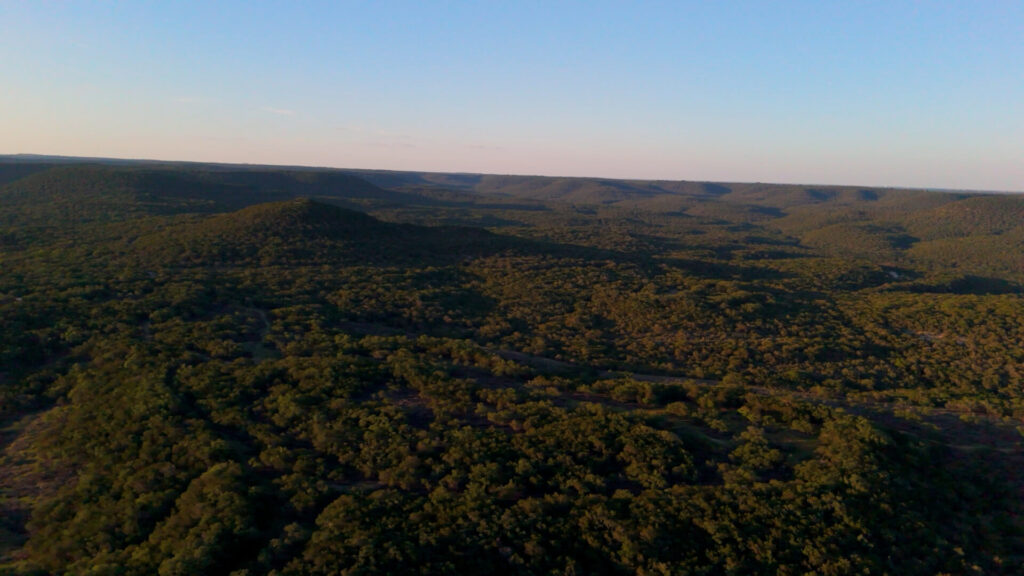
Woody encroachment in Central Texas is often framed as a vegetation problem. Juniper expands. Brush thickens. Grass disappears.

Across most rangeland science, woody expansion is treated as a multi-driver shift shaped by interacting forces that vary by region, including altered fire regimes, grazing impacts on fuels and competition, climate variability, and in some settings elevated CO₂.

In the Texas Hill Country, the pattern most landowners experience begins with grasses losing their ability to hold space, followed by woody plants recruiting into the openings.

This article explains how grazing pressure and recovery interact to shape that pattern, why grasses lose ground before woody plants expand, and how long-term vegetation change reflects disturbance and recovery over decades rather than single events.

This Foundations piece builds on earlier Symbiosis TX work on soil health, water behavior, juniper ecology, and Hill Country land-use history, and it complements existing articles on grazing movement and landscape scale rather than replacing them.

Central Texas Is a Recovery-Limited Landscape

Hill Country landscapes operate under tight ecological constraints:

  • Shallow and discontinuous soils

  • Highly variable rainfall

  • Strong seasonal stress

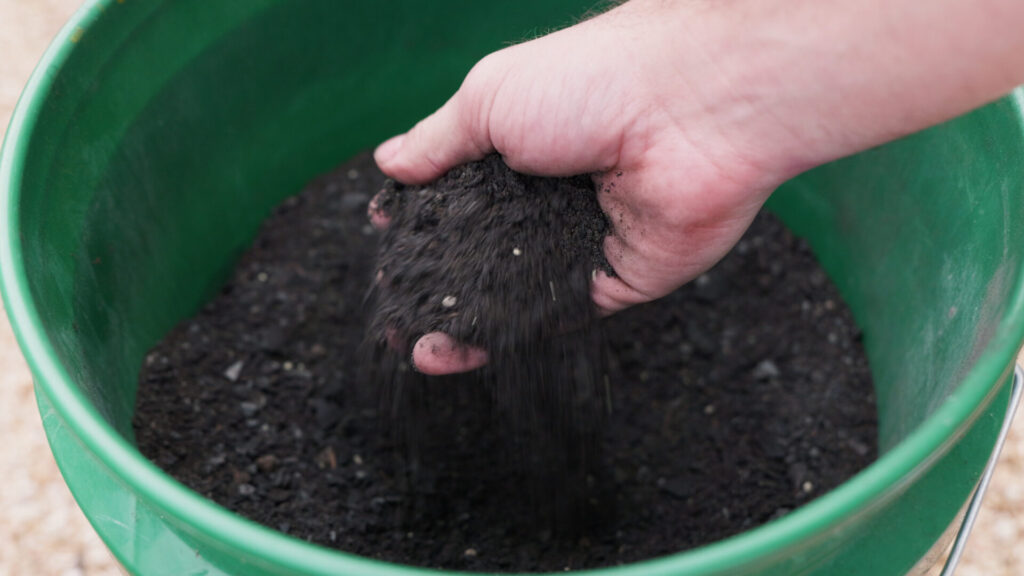
  • Slow rebuilding of root mass and soil structure after disturbance

Under these conditions, vegetation patterns are shaped less by what grows quickly and more by what can recover repeatedly after grazing, trampling, fire, or drought.

Grasses depend on recovery cycles to rebuild leaves, roots, and litter. When recovery windows shorten, grass function declines rapidly. Woody plants tolerate these interruptions more easily, which shifts competitive balance over time.

Why Grasses Lose Ground Before Woody Plants Expand

Woody encroachment often follows a sequence that starts with herbaceous decline.

Repeated defoliation without enough recovery commonly:

  • Reduces leaf area needed to rebuild root reserves
  • Limits litter accumulation and soil cover
  • Increases bare ground and runoff risk
  • Weakens the competitive “shield” grasses provide against seedling establishment

Once grass cover thins, microsites open for woody recruitment. That mechanism is widely recognized in the broader woody encroachment literature, especially where grazing alters grass competition and fire behavior. 

This pattern aligns with broader woody encroachment research and with long-term observations of Hill Country land-use change described in Texas Hill Country Ecology and Land-Use History.

Grazing Intensity and Grazing Timing Are Different Variables

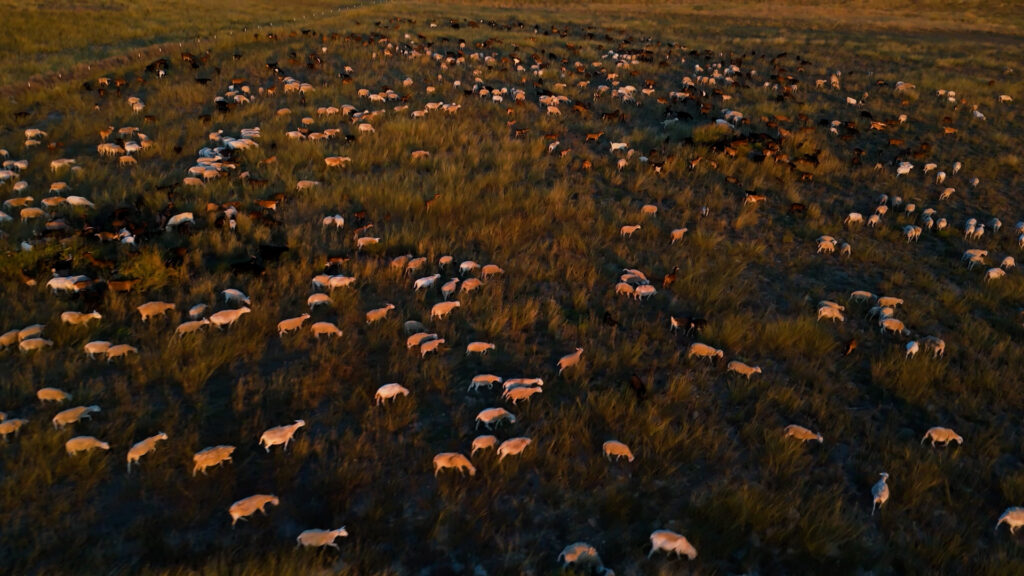
Much grazing debate collapses into a single term: overgrazing. In practice, pressure is expressed through several interacting variables:

  • How long animals remain in one area

  • How frequently plants are re-grazed before recovery

  • Which season grazing occurs relative to plant growth

  • How much rest occurs across drought and low-growth periods

A pasture grazed heavily once and allowed sufficient recovery can maintain function. A pasture grazed lightly but repeatedly without rest often degrades.

Texas Parks and Wildlife Department guidance on grazing management emphasizes balancing stocking with forage availability and providing deferment or rotational rest to support plant recovery:
https://tpwd.texas.gov/landwater/land/habitats/southtx_plain/habitat_management/grazing_management.phtml

Disturbance Without Recovery Favors Woody Recruitment

Disturbance itself is not inherently harmful. Fire and grazing have shaped grassland and savanna systems for thousands of years.

Problems emerge when disturbance repeats without recovery. In many systems, reduced fire frequency combined with grazing impacts on fuels and herbaceous competition shifts the balance toward woody establishment.

Texas Parks and Wildlife Department guidance on prescribed burning notes that fire can suppress many woody plants while encouraging grass and forb growth, but that lasting benefits depend on follow-up management and recovery:
https://tpwd.texas.gov/publications/pwdpubs/media/pwd_bk_w7000_0196.pdf

Juniper as a Response to Lost Grass Function

In Ashe Juniper Ecology, Water, and Fire Myths, juniper is treated as a system participant rather than a singular cause of degradation:

From a grazing and recovery perspective, juniper often establishes where grass function has already declined:

  • Where litter no longer protects soil

  • Where root systems fail to stabilize surface structure

  • Where recovery windows remain short year after year

Removing juniper without restoring recovery conditions simply reopens those gaps. The system responds by re-establishing woody cover, which explains why repeated treatment is common when grazing pressure remains unchanged.

Applied context for these dynamics is explored further in Managing Ashe Juniper in Central Texas.

Grazing, Soil Function, and Water Movement

Grazing influences water behavior indirectly through soil condition.

Where grasses recover fully:

  • Root systems rebuild

  • Litter accumulates

  • Soil structure improves

  • Infiltration increases

  • Water residence time lengthens

Where recovery is consistently interrupted:

  • Soil cover declines

  • Compaction increases

  • Runoff accelerates

  • Springs respond quickly and briefly

These relationships are explained in more detail in Soil Health as the Engine of Water Health in Central Texas.

And in How Springs Actually Work in the Texas Hill Country, which separates visible flow from long-term storage.

Recovery Is Measured in Seasons, Not Rotations

Rotation schedules can look organized while recovery remains insufficient.

In Central Texas:

  • Grass recovery may require an entire growing season

  • Root systems recover more slowly than leaves

  • Drought resets recovery timelines

  • Visual green-up does not equal functional recovery

Effective grazing management tracks recovery rather than calendar movement.

Recovery Is Constrained by Scale and Fragmentation

Recovery-based grazing assumes control over timing, duration, rest, and distribution.

Across much of the Hill Country, those assumptions break down due to:

  • Small parcel sizes and fragmented ownership

  • Fixed fencing and limited pasture numbers

  • Labor, wildlife, and lease constraints

Woody encroachment often reflects these structural limitations rather than poor stewardship.

These constraints are explored in more depth in Scale, Fragmentation, and Why Good Practices Don’t Always Scale, which addresses why ecologically sound approaches do not always translate cleanly across real landscapes.

Grazing Systems Are Tools, Not Guarantees

Rotational, adaptive, and deferred grazing systems are tools. None guarantee recovery on their own.

Their effectiveness depends on:

  • Whether recovery periods are long enough for conditions

  • Whether timing aligns with plant growth

  • Whether stocking rates remain flexible

  • Whether drought reduces pressure appropriately

When systems fail, the failure is often attributed to the method rather than to insufficient recovery or structural constraints.

Preventing Woody Encroachment Starts With Recovery

Preventing woody expansion rarely requires eliminating woody plants everywhere. It requires restoring the conditions that allow grasses to compete.

Key priorities include:

  • Adequate recovery between grazing events

  • Continuous ground cover

  • Avoiding repeated use during sensitive growth periods

  • Adjusting pressure during drought

Improving grass function often slows woody recruitment without direct intervention, though outcomes remain site-specific and constrained by soils, rainfall, and landscape structure.

Frequently Asked Questions About Grazing and Woody Encroachment in Central Texas

Does Grazing Cause Juniper Encroachment?
Grazing alone does not cause encroachment. Repeated grazing without adequate recovery creates conditions that favor woody plants.

Is Overgrazing Only About Stocking Rate?
No. Timing, frequency of re-grazing, and recovery windows matter as much as stocking rate in recovery-limited systems.

Can Prescribed Fire Stop Woody Encroachment?
Fire can suppress many woody plants and encourage grass and forb growth, but long-term outcomes depend on follow-up management and recovery.

Should Woody Plants Be Removed Before Changing Grazing Management?
In many cases, adjusting grazing management first improves outcomes and reduces the need for repeated woody removal.

A Systems Perspective on Grazing and Vegetation Change

Woody encroachment emerges from interaction rather than single causes.

Grazing pressure, recovery time, soil function, climate variability, and landscape scale interact to shape vegetation change over decades. Addressing one factor in isolation rarely produces lasting results.

A Final Note on Patience

Vegetation change in Central Texas unfolds slowly.

Grass recovery precedes soil recovery. Soil recovery precedes hydrologic stability. Woody dynamics respond last.

Effective grazing management aligns with these timelines rather than forcing rapid outcomes.

Related Educational Context

For foundational context across land regeneration and water health, visit our Central Texas Land Regeneration Education hub.