
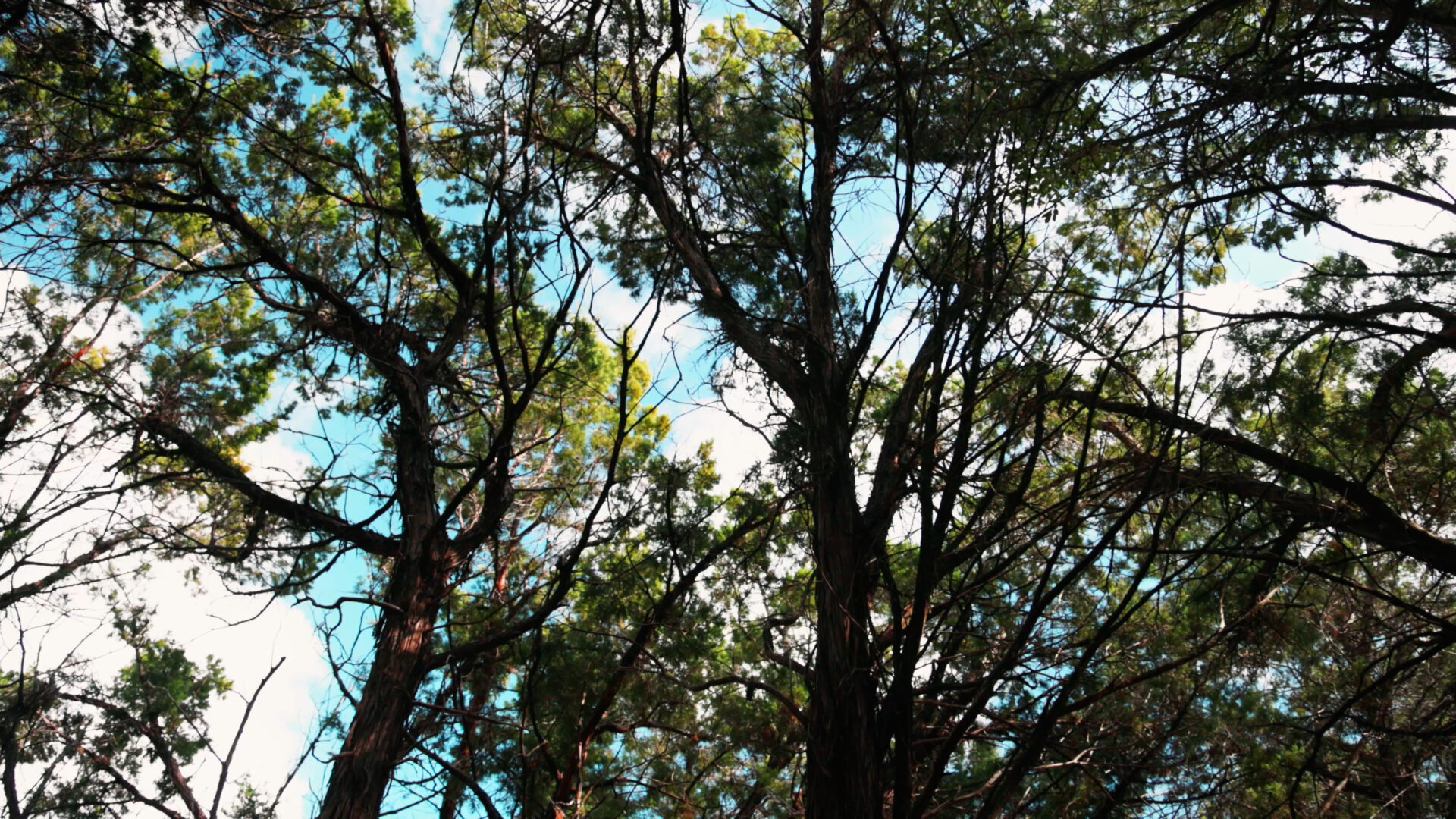
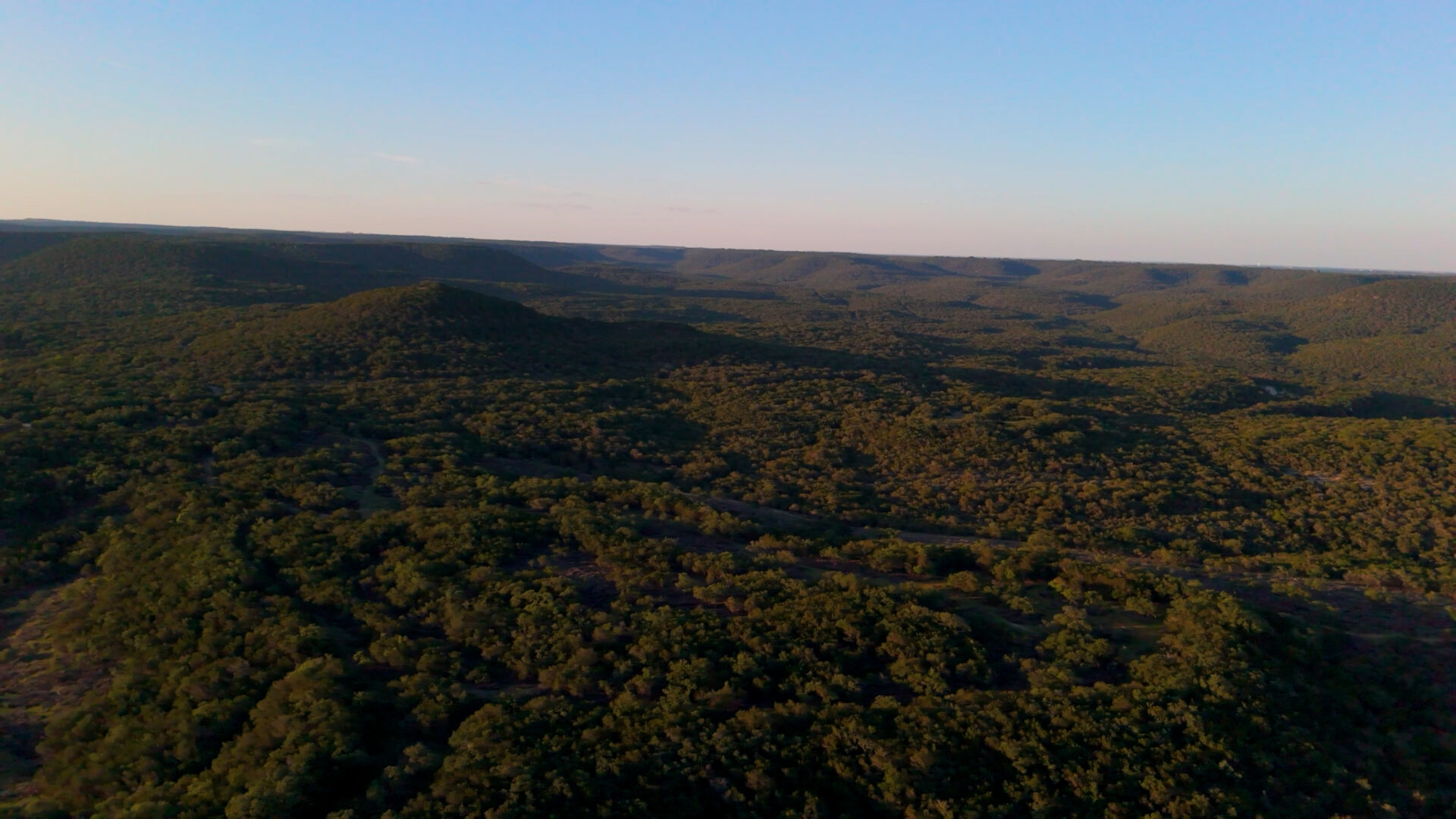
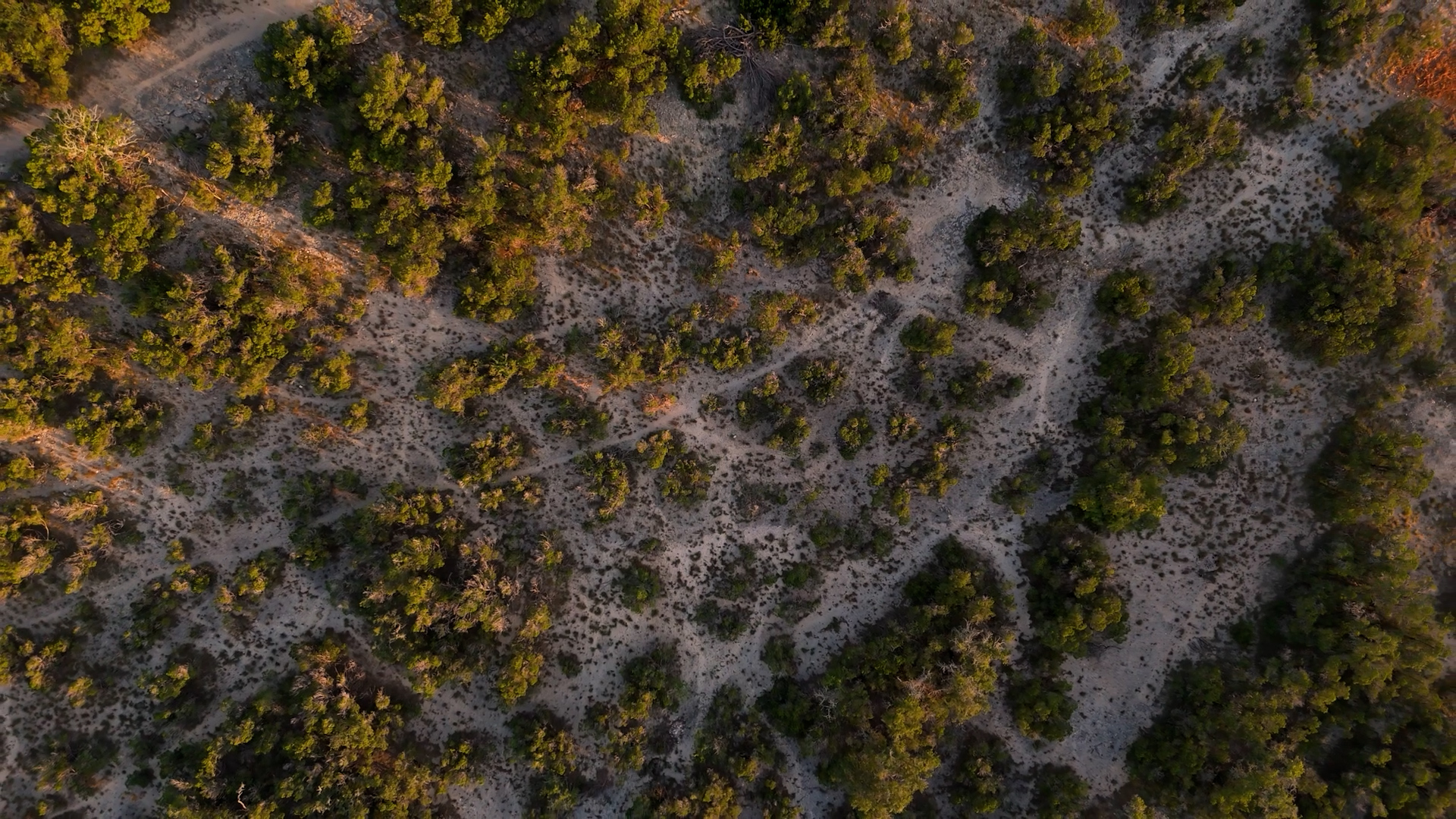
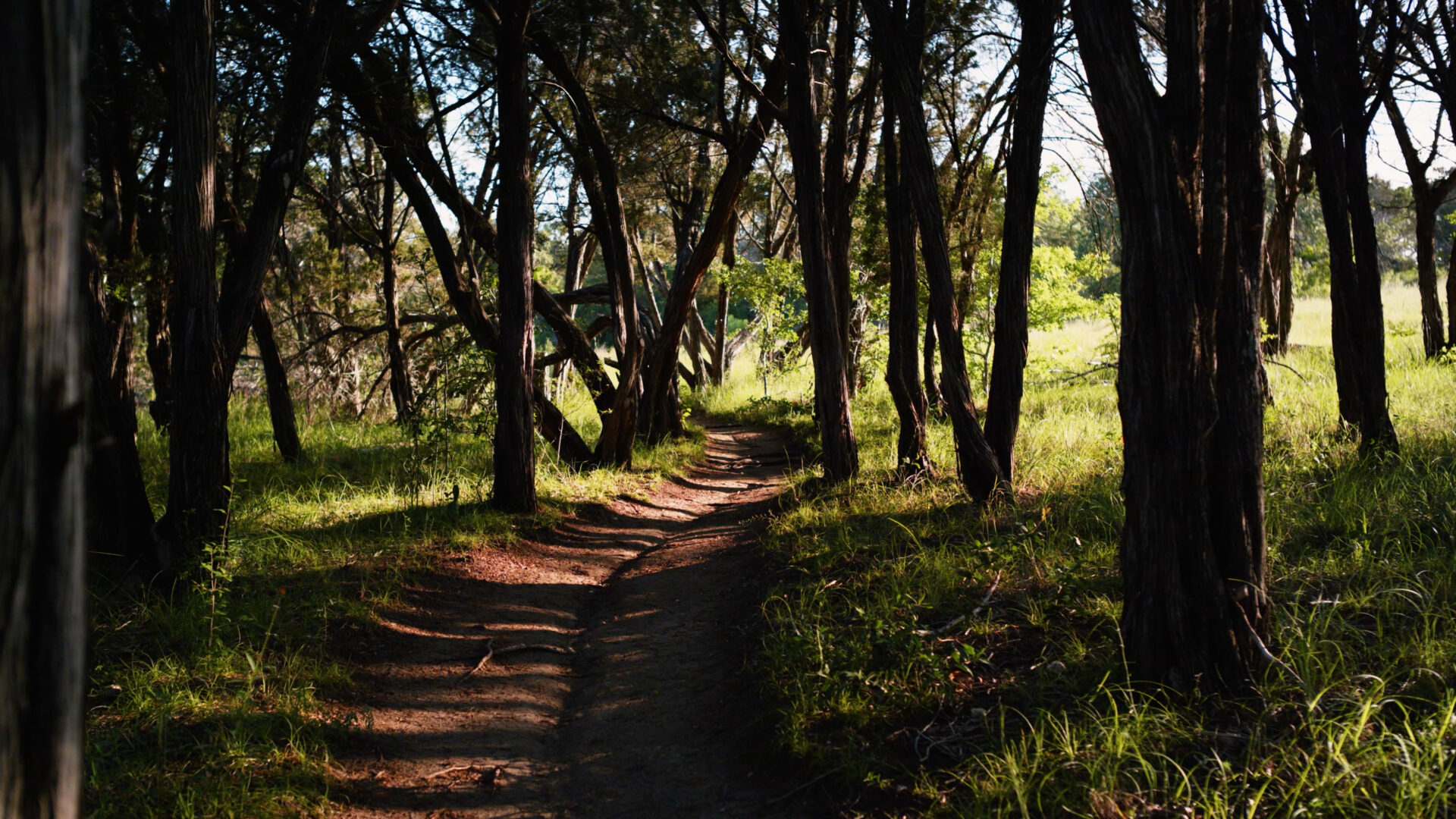
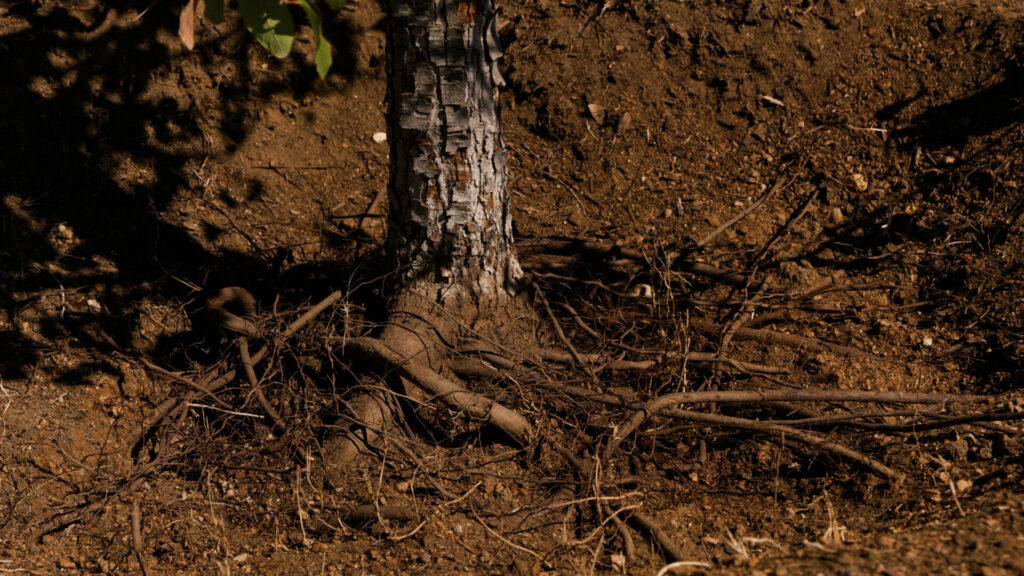
Ashe Juniper in the Texas Hill Country
Ashe juniper (Juniperus ashei) is native to Central Texas and the Edwards Plateau. Its presence in the region predates European settlement by many thousands of years. Fossil pollen records and historical ecology syntheses indicate juniper occurrence in Central Texas landscapes since at least the late Pleistocene¹.
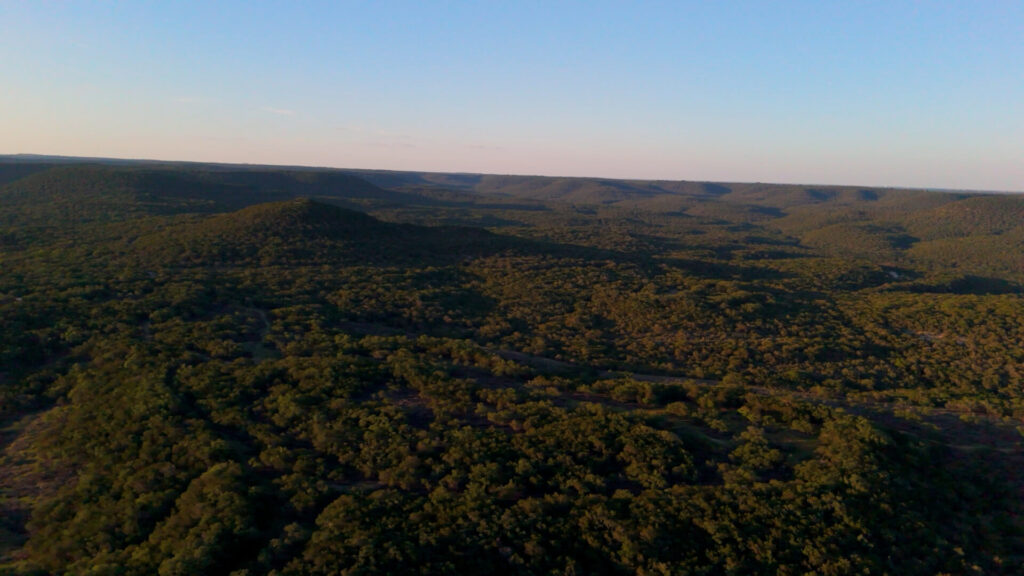
Early botanical surveys and written accounts from the 18th and 19th centuries describe extensive juniper–oak woodlands and large cedar brakes across portions of the Balcones Escarpment, canyon systems, and rocky uplands²³. These descriptions do not depict a uniform landscape, but rather a shifting mosaic of grasslands, savannas, open woodlands, and dense juniper brakes shaped by fire, grazing, climate variability, and human influence⁴.
The precise historical proportion of juniper cover remains debated. What is not debated is juniper’s nativeness or its long-standing role in Hill Country ecosystems⁵
Ashe Juniper Is Native
Ecology, Water, Fire, and the Myths That Shaped a War Against a Tree
Few plants in the Texas Hill Country generate as much emotion as the Ashe juniper. Often labeled invasive, wasteful, or dangerous, it has been targeted for removal for nearly a century. At the same time, it is one of the most ecologically important and misunderstood species in the region.
Many of the misconceptions surrounding Ashe juniper stem from a broader misunderstanding of how the Texas Hill Country functioned before widespread settlement. Changes in land use, grazing, fire, and soil stability reshaped the region long before modern debates about “cedar” ever began.
For broader context on those system-level changes, see our foundational guide to Texas Hill Country ecology and how the land, water, and landscape changed.
Ashe juniper is native. It is foundational. Its expansion is real, but the reasons for that expansion are widely mischaracterized. Many persistent claims about juniper—particularly around water use and fire risk—are not supported by modern ecohydrology, fire science, or long-term field evidence.
Understanding juniper requires stepping back from single-variable explanations and placing the tree within the broader context of Hill Country geology, soils, disturbance regimes, and time.
Why It Is Called “Cedar” (and Why It Is Not One)
Despite its common name, Ashe juniper is not a true cedar. True cedars belong to the genus Cedrus and are native to the Mediterranean and Himalayan regions. Ashe juniper belongs to the genus Juniperus within the cypress family (Cupressaceae).
The name “cedar” persisted because early settlers associated juniper’s aromatic, rot-resistant wood with Old World cedars used for construction. The name stuck culturally, even as botanical classification advanced⁶.
This naming confusion matters because it has allowed very different species to be lumped together under a single narrative.
Ashe Juniper, Eastern Red Cedar, and the Balcones Gradient
Ashe juniper (Juniperus ashei) and eastern red cedar (Juniperus virginiana) are related but ecologically distinct species.
Across Texas, the Balcones Escarpment broadly corresponds with a shift in soils, moisture regimes, and vegetation communities. Ashe juniper becomes dominant to the west on shallow, limestone-derived soils of the Edwards Plateau and Hill Country, while eastern red cedar is more common east of the escarpment in deeper, more mesic landscapes⁷.
Their ranges overlap. Management conclusions should not be transferred blindly between them.
Cedar Brakes Before Widespread Settlement
When Europeans arrived, they encountered old-growth cedar brakes that looked very different from many modern juniper thickets.
Historical descriptions document:
- upright junipers exceeding 30–40 feet
- mixed juniper–oak canopies
- cathedral-like woodland structure
- extensive cedar forests, including the Colorado River Brakes, estimated at hundreds of square miles²⁸
These forests supplied durable timber for homes, fence posts, telegraph poles, and railroads. Large-scale clearcutting removed much of this structure within a few generations⁹.
How We Created the Conditions for Juniper Expansion
Modern juniper expansion followed a broader shift in land use that fundamentally altered soil structure, vegetation recovery, and water movement across the Hill Country.
Clearcutting, permanent fencing, continuous grazing without recovery, and fire suppression destabilized systems that had previously regulated woody growth. These dynamics are explored further in our overview of Texas Hill Country ecology.
Ashe juniper is one of the few native woody plants capable of establishing on exposed limestone, caliche, and severely degraded soils. Its expansion often reflects pioneer thicket formation, not invasion of intact grasslands¹⁰¹¹.
Juniper as a Soil and Water Builder
Root Channels and Preferential Flow
Ashe juniper develops extensive lateral and vertical root networks that penetrate fractures and bedding planes in limestone¹². These roots increase macroporosity at the soil–rock interface, creating preferential flow paths that allow water to move downward rather than rapidly across the surface¹³.
This process increases contact time between water, soil, and rock, which is essential for recharge in karst systems.
Carbonic Acid and Limestone Weathering
Juniper litter, microbial activity, and root respiration elevate soil CO₂. Infiltrating rainwater forms weak carbonic acid, enhancing limestone dissolution over long time scales¹⁴¹⁵.
These processes are slow but cumulative and fundamental to karst aquifer development.
Juniper as a Pioneer Species and Microsite Builder
In degraded landscapes, Ashe juniper often functions as a pioneer species. It establishes on exposed rock and eroded slopes, creating cooler, moister microsites that trap organic matter and protect soil from erosion¹⁶.
These microsites can facilitate establishment of other woody plants, including oaks, in some contexts. Nurse effects vary by site, soil depth, and canopy structure, and can run in multiple directions¹⁷¹⁸.
The Myth of Juniper as a Water Hog
The claim that Ashe juniper is a “water hog” emerged from early water-yield studies that emphasized short-term runoff rather than long-term infiltration and recharge¹⁹.
Water availability in Central Texas is governed by land function at the watershed scale, not by the presence or absence of a single species. This broader ecohydrologic context is central to Texas Hill Country ecology and water dynamics.
Long-term studies show that soils beneath juniper canopies retain higher infiltration capacity, and that these benefits can persist for at least a decade after tree mortality²⁰²¹.
Fire and Ashe Juniper: Another Persistent Myth
Ashe juniper is often described as inherently fire-prone. That framing misunderstands how fires actually behave in the Hill Country.
Where Fires Actually Start
Most wildfires in Central Texas originate and spread through grasslands and fine fuels, not intact juniper woodlands²². Grasses cure quickly, ignite easily, and carry fire rapidly across the landscape.
Crown Fire Is a System Failure, Not a Species Problem
Sustained crown fire requires extreme drought, wind, fuel continuity, and ladder fuels. Under those conditions, any tree species can burn²³.
Crown fires in oak–juniper systems do occur, but they are uncommon enough that major events, such as the 1996 Fort Hood fires, are studied precisely because of their rarity²⁴.
Fire behavior reflects long-term changes in fuel continuity and land management, not inherent traits of juniper — a pattern rooted in the broader ecological shifts outlined in Texas Hill Country ecology and historical land change.
Why Mechanical Clearing Followed by Pile Burning Is Especially Harmful
One of the most damaging practices still commonly used in the Hill Country is mechanical clearcutting of juniper followed by piling and burning the cut material.
This approach removes canopy, litter, and root protection simultaneously, then concentrates extreme heat directly onto already thin, erosion-prone soils.
Pile burning:
- volatilizes soil organic matter
- destroys soil aggregation
- kills soil microbial communities
- can create hydrophobic soil layers
- leaves shallow soils exposed
Unlike broadcast fire moving quickly across grass fuels, pile burns hold intense heat in one place for extended periods, often exceeding temperatures soils can tolerate without long-term damage²⁶.
Mechanical disturbance followed by pile burning frequently increases runoff, reduces infiltration, and accelerates erosion — outcomes that undermine both water conservation and fire-mitigation goals.
Why These Myths Persist
The long-running campaign against Ashe juniper is not just an ecological story. It is also a social one.
Early scientific studies, conducted with limited tools and incomplete understanding of karst hydrology, shaped public narratives and agency guidance during a formative period for land and water policy in Texas. Those narratives became embedded in institutional practice, funding programs, and landowner education long after the science evolved.
Once a story takes hold — especially one that offers a clear villain and a simple solution — it can persist for decades, even as contradictory evidence accumulates.
This inertia helps explain why juniper continues to be framed as the primary problem, while deeper drivers like soil loss, fuel continuity, and watershed-scale land function receive less attention.
Myth vs. Fact: Ashe Juniper in the Hill Country
Myth: Ashe juniper is invasive.
Fact: Ashe juniper is native¹.
Myth: Juniper dries up springs.
Fact: Soil structure and infiltration govern recharge²⁰.
Myth: Clearing juniper increases recharge.
Fact: Clearing often increases runoff while suppressing infiltration²¹.
Myth: Juniper causes catastrophic fires.
Fact: Grass fuels drive most Hill Country fires²².
Sources & Notes
- Smeins, F.E. & Fuhlendorf, S.D. Biology and ecology of Ashe juniper. Texas A&M.
- Bray, W.L. Early vegetation of Central Texas.
- Bedichek, R. Adventures with a Texas Naturalist.
- USDA Forest Service FEIS: Edwards Plateau communities.
- Texas A&M Natural Resources Institute.
- Texas Native Plant Database.
- USDA Forest Service FEIS: Juniperus virginiana.
- Bray, W.L. Colorado River Brakes estimates.
- Schawe, W. Wimberley’s Legacy.
- Thurow, T.L. Rangeland hydrology impacts.
- Smeins, F.E. Juniper expansion dynamics.
- Wilcox, B.P. Karst root–rock interactions.
- USGS karst hydrology synthesis.
- Schwinning, S. Soil CO₂ processes.
- Ford & Williams. Karst Hydrogeology.
- Archer, S. Woody plants as ecosystem engineers.
- Reemts, C.M. Nurse-plant dynamics.
- Diamond, D.D. Successional pathways.
- Early Texas water-yield studies.
- Kelly et al. (2025). Long-term infiltration legacy under juniper.
- Wilcox et al. Long-term ecohydrologic effects of woody removal.
- Texas A&M Forest Service wildfire behavior summaries.
- Finney, M.A. Crown fire mechanics.
- Fort Hood post-fire analyses (1996).
- Wildfire soil heating and erosion literature.
Related Educational Context
- For foundational context across land regeneration and water health, visit our Central Texas Land Regeneration Education hub.
Overgrazing in the Texas Hill Country
Overgrazing in the Texas Hill Country Why Timing, Movement, and Recovery Matter More Than Stocking…
Karst Hydrology and Water Movement in the Texas Hill Country
Karst Hydrology and Water Movement in the Texas Hill Country How Fractured Limestone Shapes Recharge,…
Scale and Fragmentation in Central Texas Land and Water Systems
Scale, Fragmentation, and Why Good Practices Don’t Always Scale Why Scale and Fragmentation Matter in…
Adaptive Management in Central Texas: Monitoring, Learning, and Recovery
Monitoring, Learning, and Adaptive Management in Central Texas How to Make Decisions in Complex Landscapes…
Urbanization, Permeability, and Water Movement in Central Texas
Urbanization, Permeability, and Water Movement in Central Texas How Development Changes Timing, Storage, and Risk…
Fire in the Texas Hill Country: Ecology, History, and Limits
Fire in the Texas Hill Country What It Did Historically and Why It Is Not…