
Suburban Landscape Consultation
An in-person assessment of your soil, water, and native plant health, using the same framework we apply across thousands of acres of Central Texas land.
Most residential landscapes in this region are working against the climate rather than with it. This consultation tells you exactly what your property’s soil, water movement, and drought-tolerant, native plant community are actually doing right now, and what they could be doing instead, using the same ecological framework Symbiosis applies to land ranging from quarter-acre lots to thousand-acre ranches.
$400 · Two hours · Austin and San Antonio Metro Area
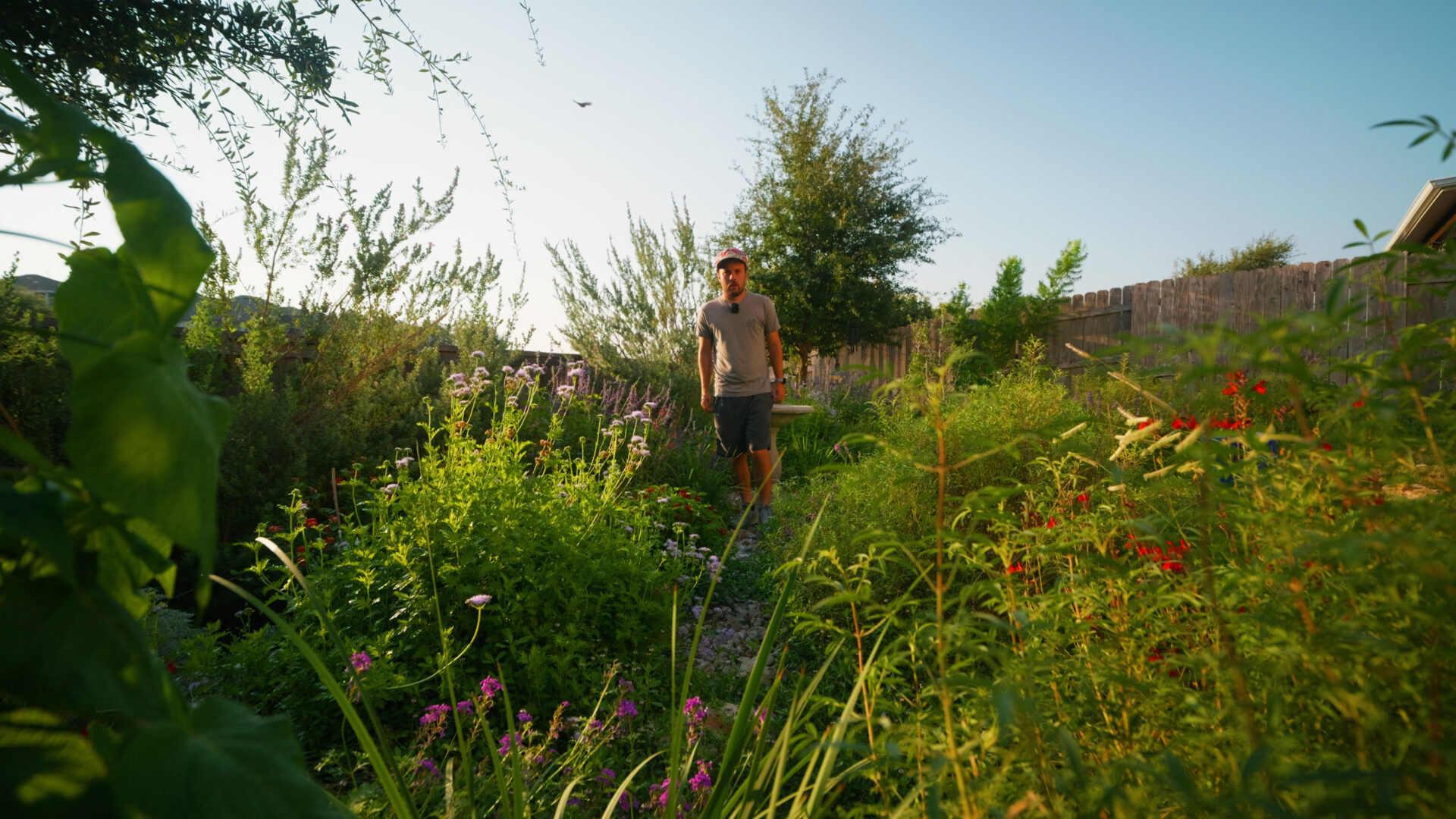
Water and Wildlife, Not Just a Lawn
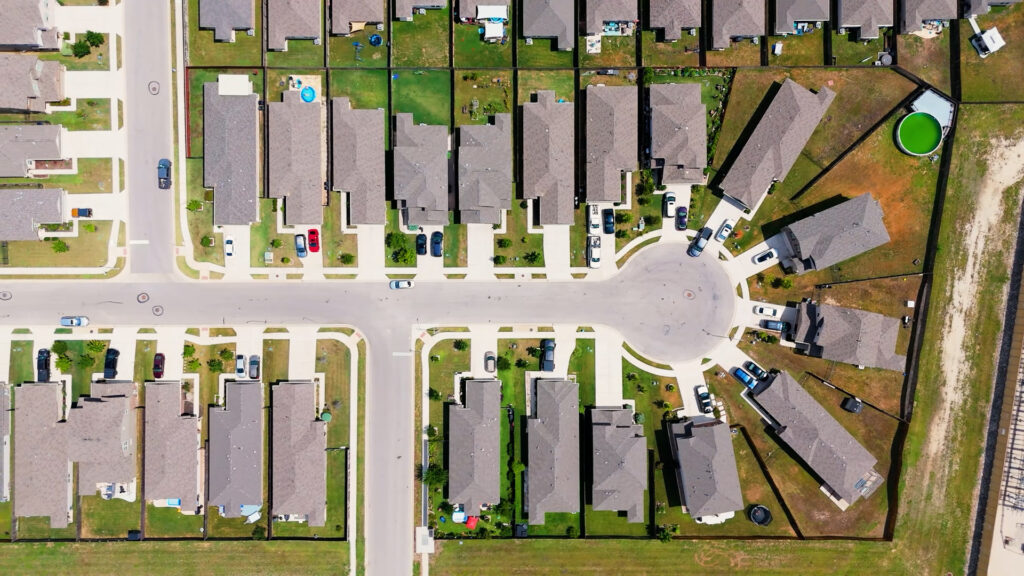
If your yard floods when it rains and burns up when it doesn’t, that’s not bad luck. It’s what happens when the soil beneath it has lost the ability to hold water at all.
The same fix solves both. A native landscape holds water during a storm instead of losing it to runoff, holds onto it through a drought instead of drying out, and supports the birds, pollinators, and wildlife a conventional lawn crowds out entirely.
Every yard that makes this change adds up. A neighborhood of properties holding water instead of shedding it changes how a whole watershed responds to a storm. A block of yards feeding pollinators instead of excluding them starts to knit habitat back together across a city that’s been losing it lot by lot for decades. One yard is where this starts. A whole watershed is where it ends up.
What a Suburban Landscape Consultation Actually Covers:
Watch our founder, Michael Wolfert, do a full consultation on a small tract home in the suburbs of Austin.
Water
Where it lands, where it moves, and where it’s wasted. Getting this right is what turns a flood risk into a resource and a drought risk into a non-issue.
Soil
Living, biologically active soil is what makes water and native plants work in the first place. Without it, nothing else holds.
Native and Edible Plants
Species built for this exact climate and this exact soil, chosen to support the birds, pollinators, wildlife, and humans a conventional lawn excludes.
This Is Bigger Than One Yard:
Symbiosis has applied this same framework, water, soil, native plants, across land ranging from quarter-acre lots in Austin to ranches spanning thousands of acres across Central Texas. The same principles that keep floodwater on a large property instead of tearing through it are what keep a suburban yard from washing out in a single hard rain.
Most of this kind of work stays isolated, one property, one result nobody outside it ever sees. We’ve spent years working against that, comparing notes with the Edwards Aquifer Authority, contributing to graduate research at Texas State, and building projects at a scale where the results themselves become evidence other landowners and agencies can point to. The goal isn’t a better-looking yard here and there. It’s making this the obvious way land gets managed in this region, not the alternative to how it’s usually done.
That framework holds up under scrutiny most residential landscaping never faces.
A Dead Quarry, Two Years Later
This caliche quarry had no plant life and no organic matter when we started. Two years later, it’s covered in native grasses and wildflowers. Joey, from the YouTube channel Crime Pays But Botany Doesn’t, toured the site with us to see the transformation firsthand.
1,000 Acres, 977 Million Gallons Captured
A full runoff capture system built on a 1,000-acre working ranch in Cuero, designed to keep rainfall on the property instead of losing it downstream. It’s the largest capture project we’ve completed to date, and the results have held up through multiple rain events since installation.
Comparing Notes With the Edwards Aquifer Authority
The Edwards Aquifer Authority is the agency responsible for managing one of the region’s most critical water sources. We toured a shared test site together, compared methods, and discussed how the land work both organizations are doing is starting to show measurable scientific results.
A Dead Quarry, Two Years Later
This caliche quarry had no plant life and no organic matter when we started. Two years later, it’s covered in native grasses and wildflowers. Joey, from the YouTube channel Crime Pays But Botany Doesn’t, toured the site with us to see the transformation firsthand.
1,000 Acres, 977 Million Gallons Captured
A full runoff capture system built on a 1,000-acre working ranch in Cuero, designed to keep rainfall on the property instead of losing it downstream. It’s the largest capture project we’ve completed to date, and the results have held up through multiple rain events since installation.
Comparing Notes With the Edwards Aquifer Authority
The Edwards Aquifer Authority is the agency responsible for managing one of the region’s most critical water sources. We toured a shared test site together, compared methods, and discussed how the land work both organizations are doing is starting to show measurable scientific results.
What We're Actually Looking For:
A consultation isn’t a generic walkthrough. Depending on what your property needs, we’re looking at some combination of the following:
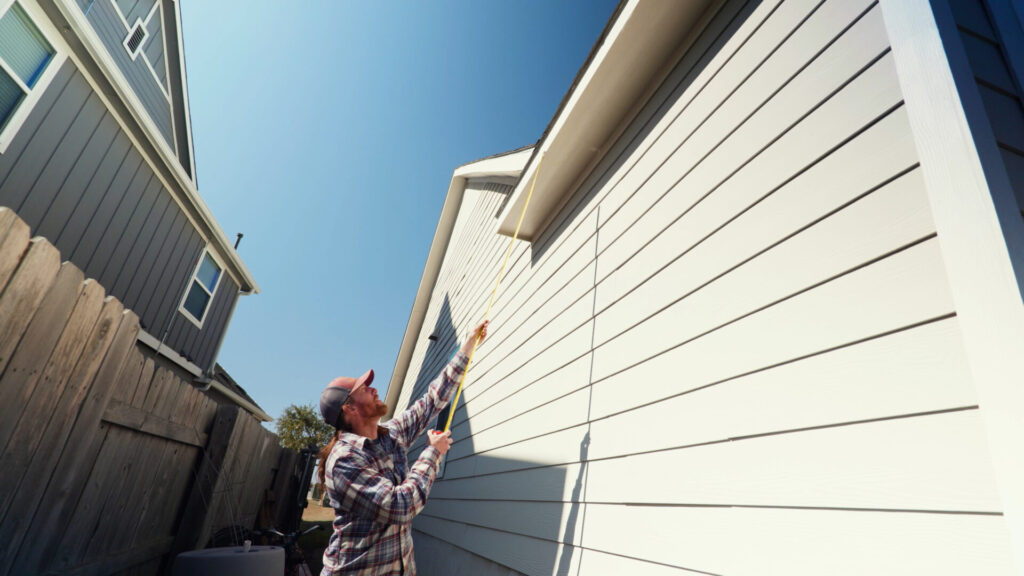
Water
Where rain moves across your property, where it pools, where it’s wasted, and whether rainwater catchment could turn runoff into a resource instead of a problem.
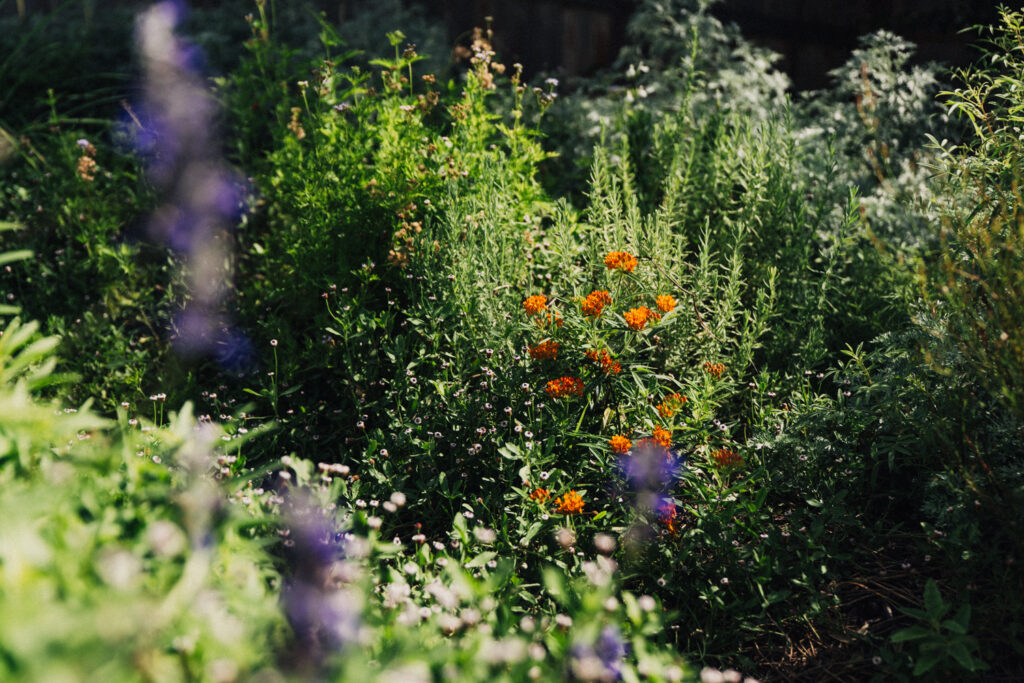
Soil and Plants
What’s actually growing, what should be, and whether native, water-wise landscaping could replace a lawn that’s costing you more than it’s worth.
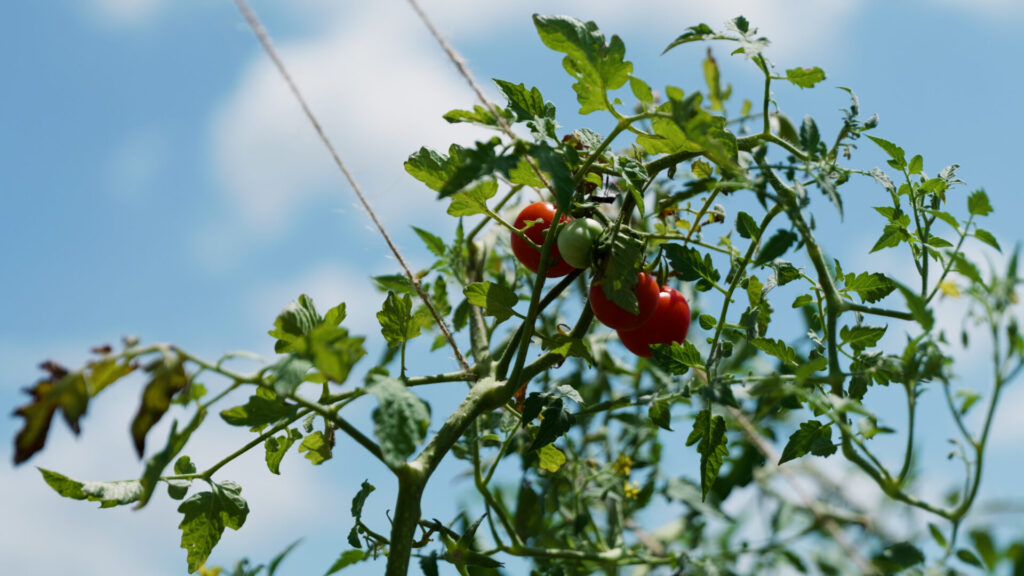
Food Production
Whether the space and light on your property support a food forest, raised beds, or edible landscaping alongside everything else.
HOA Navigation
If you’re in a deed-restricted community, what’s actually allowed under Texas’s water-conserving landscape laws, and how to get a native design approved without a fight.
Structures and Hardscaping
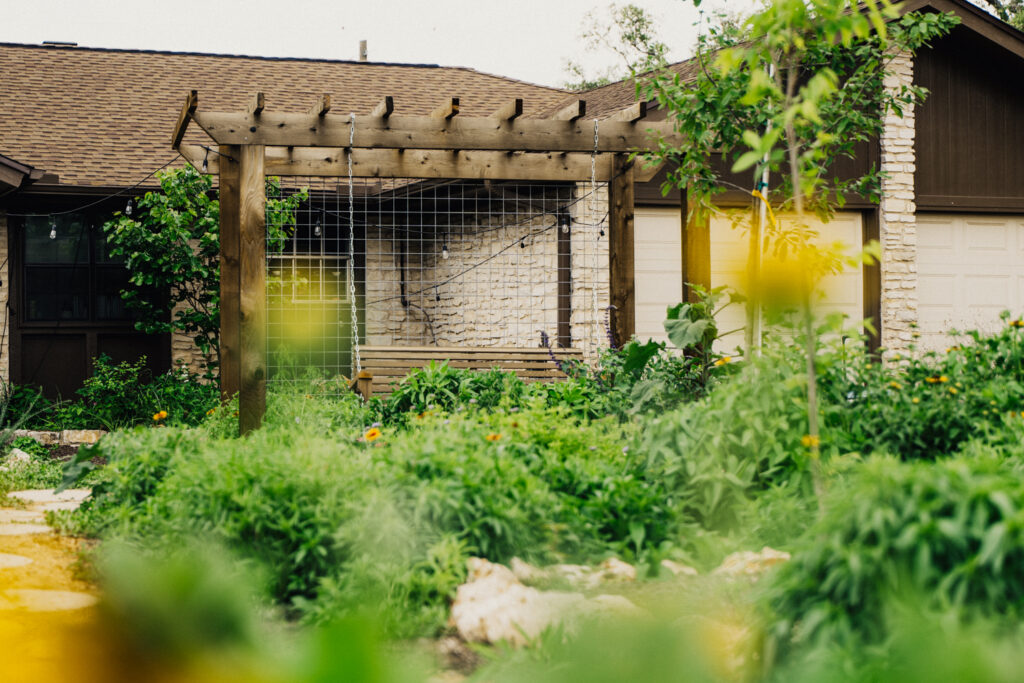
Pathways, patios, pergolas, or shade structures, wherever they fit into a system that’s working with the land instead of against it, drawing on the same hardscaping and earthworks principles we apply at any scale.
Water
Where rain moves across your property, where it pools, where it’s wasted, and whether rainwater catchment could turn runoff into a resource instead of a problem.
Soil and Plants
What’s actually growing, what should be, and whether native, water-wise landscaping could replace a lawn that’s costing you more than it’s worth.
Food Production
Whether the space and light on your property support a food forest, raised beds, or edible landscaping alongside everything else.
HOA Navigation
If you’re in a deed-restricted community, what’s actually allowed under Texas’s water-conserving landscape laws, and how to get a native design approved without a fight.
Structures and Hardscaping
Pathways, patios, pergolas, or shade structures, wherever they fit into a system that’s working with the land instead of against it, drawing on the same hardscaping and earthworks principles we apply at any scale.
Not every property needs all five. Part of the consultation is figuring out which of these actually matter for yours.
Here's exactly what's covered in your suburban landscape consultation:
-
What's Included:
-
An On-Site Walkthrough
Two hours with a Symbiosis practitioner, walking your property and talking through what we see. We start with the high level patterns, water, soil, plants, hardscaping, how your home and your daily life fit into all of it, then work down into specifics as time allows. We don't claim expertise in every single topic, but few companies bring this many disciplines together under one roof, and that combination is where most of the value sits.
-
Water and Drainage
Most homes weren't designed with water scarcity in mind, and a change on a neighboring property can affect everyone downstream. Roofs, hardscapes, and lawns all shed water fast, while irrigation runs on a schedule that has nothing to do with when the rain actually falls. We help you find the path of least resistance to turn a drainage liability into a water harvesting asset, leaning on earthworks and plants over hardscape fixes and French drains wherever we can.
-
Soil Health
Suburban neighborhoods are built around lawns and shade trees, not soil health, even though every plant on the property depends on it. We'll walk through the soil principles and practices that make your property more conducive to healthy plants and better water infiltration.
-
Native and Edible Plants
Most subdivisions are landscaped with the same handful of non-native plants, chosen for looks, not performance, and many struggle in Central Texas heat regardless. We'll help you identify where native and edible plants could make your property more resilient, more productive, and more useful to the pollinators and wildlife that depend on them.
-
Structures and Hardscaping
Patios, decks, pathways, pergolas, water features, retaining walls, all shape how a space works. We'll talk through placement and concepts and how they'd connect with everything else on your property. This is a high level conversation, not a build plan.
-
A Written Follow-Up
After your visit, we'll send a short summary by email, what we talked about, and what we'd prioritize first, second, and third if we were doing the work ourselves. Order of operations matters more than people expect, and this gives you a real starting point. We will also provide access to resources and documents that we at Symbiosis TX have built and use ourselves for our projects, simplified and scaled down for the suburban space.
-
What This Isn't
Not a soil test, a design, or a bid. It's an expert conversation and a walkthrough, meant to leave you with clarity on what your property needs and where to start.
-
Your Consultation Today $400
How It Works:
1. Book and pay. $400, collected securely by card right on this page.
2. We reach out. Within 3 business days, to schedule around the days and times that work for you.
3. We walk your land. About two hours on-site, sharing what we see and your options as we go.
That’s the whole process. No second call to get on the calendar, no separate quote before you know what you’re paying.
A couple of things worth knowing before you book:
We hold a limited number of consultation slots each week, so if you’re interested, it’s worth booking sooner rather than later. Fall is also the window for planting and for fixing water problems before the rainy season, so a consultation now pays off through the rest of the year, not just whenever you get around to acting on it.
Not Ready to Book, or Outside Our Area?
If you’re not ready for a visit, or you’re outside Central Texas entirely, you can still learn everything we know for free. Our Education Hub and YouTube channel cover the same soil, water, and native-plant thinking that shapes every consultation we do, and it’s helped landowners regenerate their land from well outside our service area, including people who aren’t even in Texas.
Watch, learn, and come back when the timing’s right. There’s no pressure either way.
Frequently Asked Questions
What do I actually get for $400?
A two-hour, in-person visit where we read your property’s water movement, soil, and native plant potential, and walk you through what we find in real time. It’s a conversation, not a written report, record it yourself if you want to keep it.
Do I get anything in writing afterward?
After your visit, we’ll send a short summary by email, what we talked about, and what we’d prioritize first, second, and third if we were doing the work ourselves. Order of operations matters more than people expect, and this gives you a real starting point. We will also provide access to a database of resources and documents that we at Symbiosis TX have built and use ourselves for our projects, simplified and scaled down for the suburban space.
Why do I pay before the visit is scheduled?
Payment happens at booking so we can hold your spot and get you on the calendar quickly. We’ll reach out within 3 business days to find a time that works.
What if I need to cancel or reschedule?
Full refund with 72 hours or more notice. Inside 72 hours but more than 24, a $200 cancellation fee applies. Inside 24 hours, the visit isn’t refundable. Rescheduling is free with reasonable notice.
Do you serve my area?
We service the Austin and San Antonio Metro Areas.
I have an HOA. Can you still help?
Yes. Texas law limits what HOAs can restrict when it comes to native, water-conserving landscaping, and we’ll walk you through what that means for your specific situation during the visit, including how we’ve seen similar cases play out with other clients. We’re not going to manage your HOA approval process for you, but you’ll leave knowing what you’re allowed to do and how to make the strongest case for it.
Is this the same as xeriscaping?
Related, but not the same. Xeriscaping usually means removing water-hungry plants and reducing maintenance. We do that too, but the focus is on replacing turf with living, native plant communities that hold water, build soil, and support wildlife, not just gravel and low-maintenance succulents.
Can I book a consultation now and decide about a full design later?
Yes. Most people use the consultation once and take it from there themselves. If you want to go further afterward, we very likely already have what we need to put a design proposal together, no second consultation required.
I already know I want a full design or installation. Do I still need a consultation first?
No. If you’re confident you want the full process, you can start there directly.
I’m outside your service area or not ready to book. Is there another way to learn from you?
Yes. Our Education Hub and YouTube channel cover the same water, soil, and native-plant thinking for free, and plenty of people outside our service area, including out of state, have used it to work on their own land.
Book Your Consultation:
$400 · Two hours, in-person
A suburban landscape consultation gets you a clear, expert read of your property, no obligation, one visit.
Already know you want a full design or installation instead? Start there rather than booking a consultation first.