
Large Scale Ecological Land Management for Central Texas
Whole watershed thinking for landowners managing significant acreage
Symbiosis works with private landowners and ranchers across Central Texas to design and implement land management systems at scale. We address water, soil, native habitat, and land productivity as a connected whole, working across the full property or focusing on priority areas depending on the scope and goals of the project.
Operation Insoak — Cuero, Texas
This project set out to eliminate surface runoff entirely on a thousand acre ranch near Cuero, returning rainfall to the land through soil infiltration and seep springs rather than direct creek discharge. Working across significant topography, the design employed brush berms, one rock dams, zuni bowls, beaver dam analogs, and modified existing conservation terraces. Phase one served as a pilot to test each approach and gather real world data before scaling across the full acreage. The potential annual capture across the property is 432 million gallons.
Learn More About the Full Project Here.
Watershed Restoration and Rotational Grazing Design — Spicewood, Texas
This project addressed the compounding effects of decades of set stock grazing on a Hill Country property, including depleted topsoil, poor water infiltration, and near total loss of native ground cover. The design integrated planned rotational grazing, keyline plowing, basalt mineral amendment, and approximately 5,000 linear feet of broad contour conservation terraces. A subsequent phase added 8,000 native and food producing trees planted directly into those terraces using a no till tree planter. The result is a property moving from bare capped soil toward a functioning native savannah with measurably improving water retention and biodiversity.
Learn More About the Full Project Here.
Planting 4000 Trees — Cuero, Texas
This project revitalized a failed olive orchard by transforming it into a thriving food forest. Symbiosis planted more than 4,000 trees using a combination of regenerative systems including Miyawaki microforest establishment, syntropic agroforestry rows, rotational grazing design, and detailed food forest planting plans tailored to the site’s soils and microclimates. What began as a depleted monoculture is now evolving into a layered, resilient ecosystem designed to produce food, improve soil health, restore habitat, and create long term climate resilience for the land.
Learn More About the Full Project Here.
What Changes About Your Land:
Large acreage in Central Texas carries the accumulated effects of decades of conventional land management. Compacted soil, eroded creek beds, depleted native ground cover, and broken water cycles do not reverse themselves without intentional intervention at the right scale. A Symbiosis design addresses those conditions systematically, working across the full property to rebuild the processes that make land productive over the long term.
Water Stays on the Property
Earthworks and water harvesting structures slow rainfall at multiple points across the landscape, increasing infiltration and rebuilding the subsurface moisture that supports plant growth, livestock, and spring flow.
The Soil Begins Rebuilding
Managing grazing pressure, reintroducing native plant diversity, and addressing mineral deficiencies starts reversing the biological depletion that conventional land use leaves behind. Improvement is measurable within the first growing seasons and compounds over years.
Native Ground Cover and Biodiversity Return
Given adequate rest, managed grazing, and the right interventions, native grasses, wildflowers, and woody species reestablish themselves. As ground cover returns, so does the habitat, pollinator activity, and wildlife that depend on it.
A More Resilient Property
Land built around healthy soil biology, managed water, and native plant communities becomes progressively more stable. Carrying capacity improves. The land requires fewer external inputs as the system matures and begins functioning the way it did before it was depleted.
Water Stays on the Property
The Soil Begins Rebuilding
Managing grazing pressure, reintroducing native plant diversity, and addressing mineral deficiencies starts reversing the biological depletion that conventional land use leaves behind. Improvement is measurable within the first growing seasons and compounds over years.rowing seasons.
Native Ground Cover and Biodiversity Return
Given adequate rest, managed grazing, and the right interventions, native grasses, wildflowers, and woody species reestablish themselves. As ground cover returns, so does the habitat, pollinator activity, and wildlife that depend on it.
A More Resilient Property
Land built around healthy soil biology, managed water, and native plant communities becomes progressively more stable. Carrying capacity improves. The land requires fewer external inputs as the system matures and begins functioning the way it did before it was depleted.
How We Work With You:
Every large scale project begins with a thorough site assessment and design process. From there, the scope and level of Symbiosis involvement depends on the scale of your land and what you are trying to accomplish.
Design and Implementation
We handle the full process from site assessment and design through implementation and earthworks. This is a good fit for landowners who want a complete, professionally executed result. Our team manages plant sourcing, soil preparation, earthwork construction, and installation according to the finished design.
Design Only
We produce a comprehensive design for your property that you or your own crew can implement on your timeline and in phases as budget and conditions allow. The deliverable includes earthworks plans, water strategy, grazing design, planting recommendations, soil guidance, and full implementation documentation. Many landowners use this as a long term management roadmap for their land.
How It Works:
Every project follows the same general sequence, though the details vary considerably depending on property size, existing conditions, and the scope of work involved.
Step 1:
Submit Your Project Details
Fill out a short form telling us about your property, its current condition, and what you are hoping to accomplish. This gives us enough context to have a productive first conversation.
Step 2:
Discovery Call
A member of the Symbiosis team will reach out to schedule a call. This is a chance to discuss your land in detail, ask questions, and determine whether the project is a good fit before any commitment is made.
Step 3:
Design Process
Our designers work through a thorough site analysis and produce a comprehensive ecological design for your property, including earthworks planning, water strategy, grazing design, planting recommendations, and implementation guidance.
Step 4:
Delivery and Implementation
Your completed design is delivered as a full documentation package. From there you implement on your own schedule, bring in your own crew, or we move into the implementation phase together depending on the path you have chosen.
Large Scale Work Across Central Texas
The following projects represent a range of large scale properties we have worked with across the region. Each began with a site assessment and a design process specific to that property’s terrain, hydrology, existing land use, and long term goals.
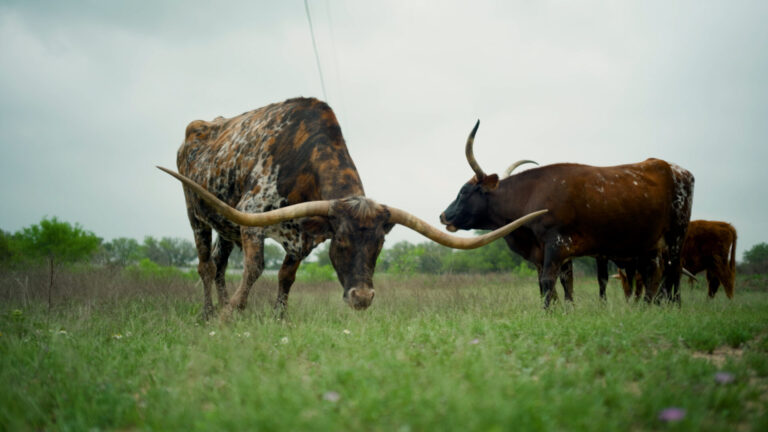
Rotational Grazing Systems
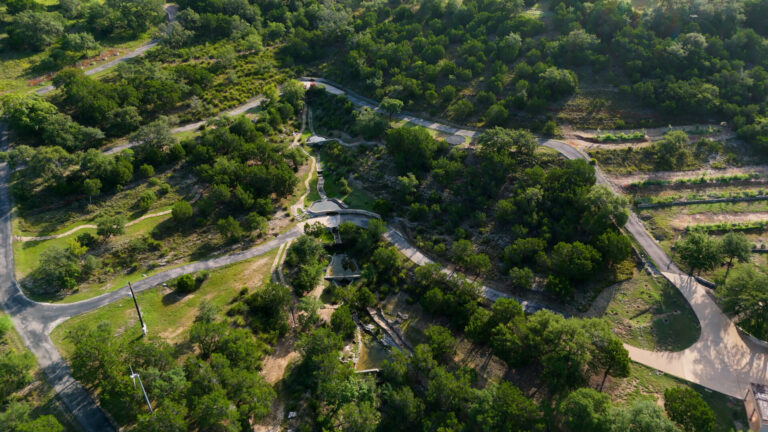
Earthworks
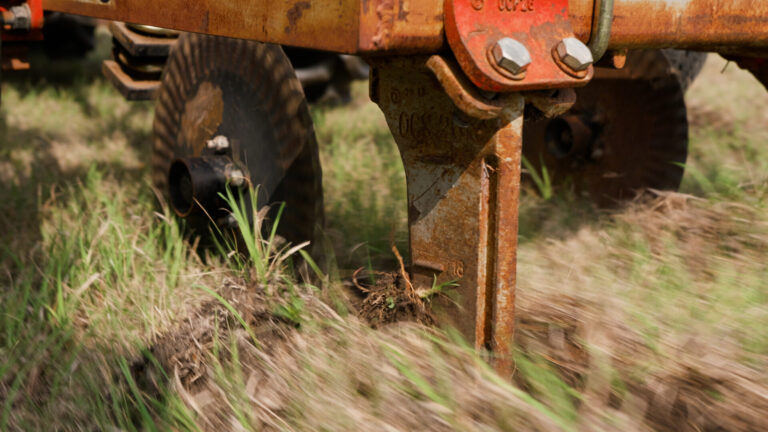
Keyline Plowing
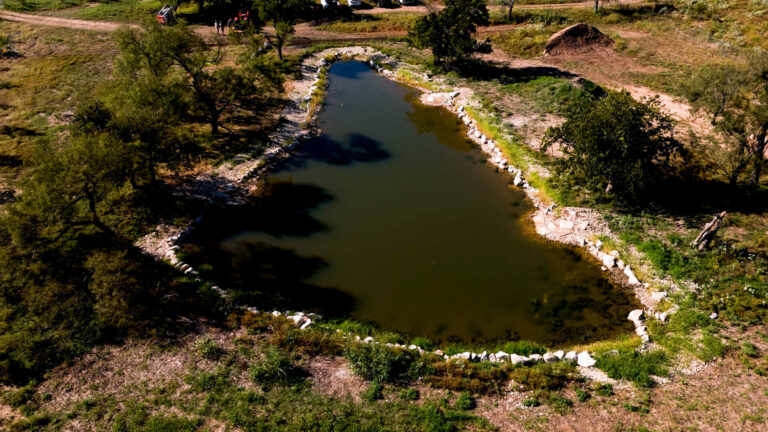
Ponds
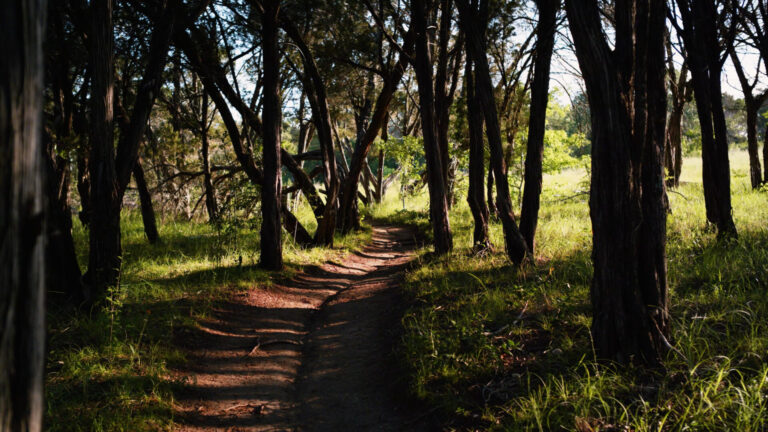
Selective Clearing
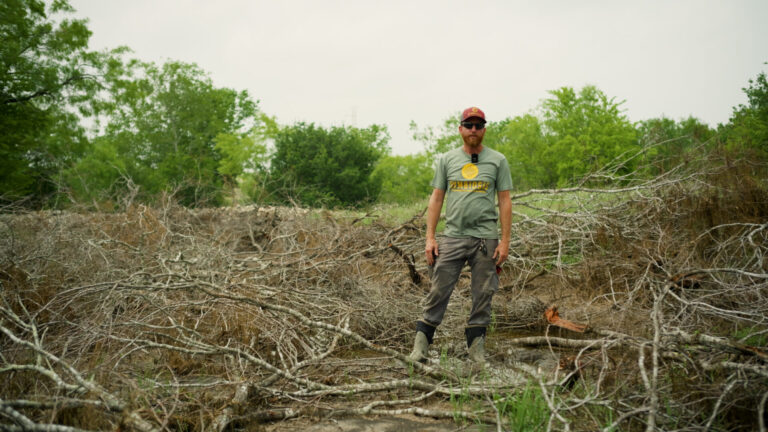
Beaver Dam Analogues
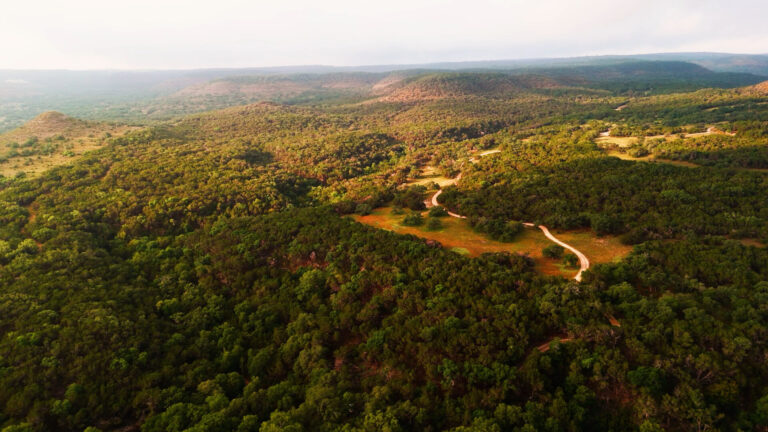
Whole Watershed Management
Frequently Asked Questions
Where does Symbiosis operate?
We serve a defined area of Central Texas, generally running from the northern Austin metro south to the San Antonio area, west to the Hill Country around Fredericksburg, and east toward the Cuero area. If you are unsure whether your property falls within our service area, submit a form and we will let you know. Properties outside our service area may be eligible for design only services depending on the project.
What scale of property does Symbiosis work with?
We work with large rural properties across a wide range of acreage, from several hundred acres to properties in the thousands. The design process is scoped to your land, your existing conditions, and your long term goals. If you are unsure whether your project is the right fit, submit a form and we will talk through it.
Do you work with properties that have existing livestock operations?
Yes. Grazing integration and rotational grazing design are core parts of what we do on large scale properties. We design around existing livestock operations rather than against them, working to make grazing a productive part of the land restoration process rather than a competing concern.
How do you approach a property that has been conventionally managed for decades?
Most large properties we work with carry the accumulated effects of long term set stock grazing, row cropping, or other conventional practices. The design process begins with understanding what the land is doing now and working systematically from there. Recovery is measurable within the first growing seasons and builds significantly over time.
How long before we see meaningful results?
Earthworks and water harvesting structures perform immediately. Grazing improvements become visible within the first rotation cycles. Soil and plant community recovery follows a longer arc, with meaningful progress within the first growing season and substantially more mature systems developing over two to five years depending on rainfall and management.
What does a large scale design cost?
Design fees vary considerably depending on total acreage, terrain complexity, and project scope. We will discuss investment range during the discovery call once we understand the full picture. Implementation costs are scoped separately based on the design, equipment requirements, and site conditions.
Do I have to commit to full implementation, or can I just get the design?
Design only is a complete standalone offering. Many landowners use the design as a long term roadmap and implement in phases over several years, either with their own equipment and crew or by bringing in contractors for specific elements. If you decide later that you want Symbiosis to manage implementation, that conversation is always available.
Start the Conversation:
Tell us about your property and your goals. A member of the Symbiosis team will follow up to schedule a discovery call and talk through next steps.