Central Texas Cold-Weather Planting Guide

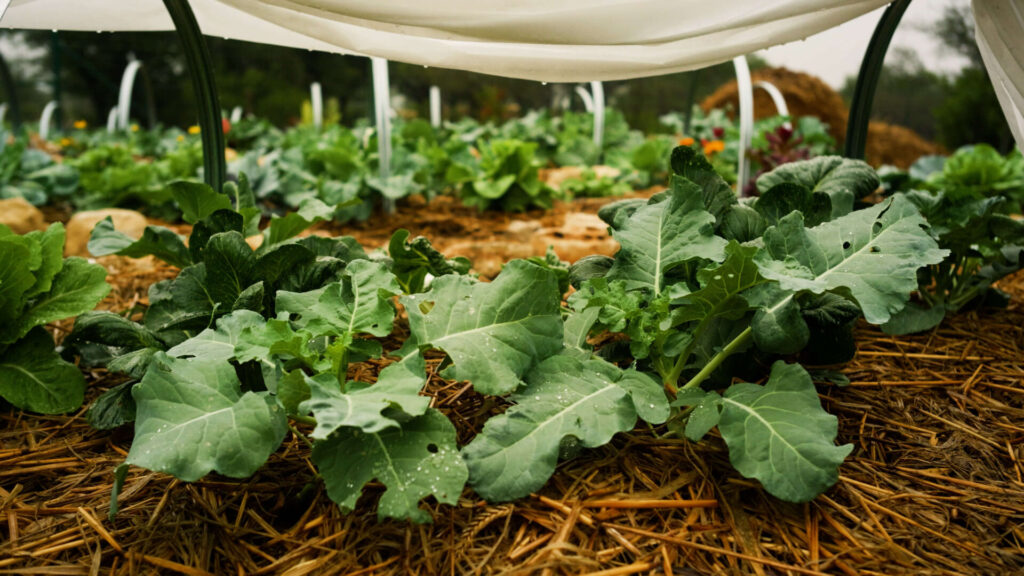
Cold weather vegetable garden in Central Texas with healthy winter greens protected under row cover in raised beds

A Seasonal Chart for Cool-Season Herbs & Vegetables

Cold weather in Central Texas does not mean the garden slows down. It simply shifts into a new rhythm. Fall, winter, and early spring offer some of the most reliable and productive planting windows of the entire year. With mild days, fewer pests, and steadier soil moisture, cool season crops grow with almost no effort compared to summer.

To make planning easier, we created a Central Texas Cold Weather Planting Guide. It shows month by month planting windows for herbs and vegetables that thrive in cooler temperatures. The guide is free to download and easy to keep on hand throughout the season.

This resource is created specifically for growers in Austin, the Hill Country, and the surrounding Central Texas region.

Table of Contents

Why Cold Weather Gardening Works So Well Here

From October through early March, Central Texas settles into one of its calmest horticultural seasons. The climate becomes steady enough for greens, roots, and cool hardy herbs to put on strong, flavorful growth.

Here is why winter planting is so rewarding:

  • Cool temperatures keep many pests away.

  • Greens and roots grow sweeter in cold soil.

  • Many herbs develop better flavor when grown in winter.

  • Frosts are usually light and short lived, and most cool season crops bounce back easily.

For many gardeners, these months become the easiest and most productive part of the year.

What You Will Find in the Cold Weather Planting Guide

Cool Season Vegetables

These crops thrive from September through March. The guide includes planting windows for arugula, beets, broccoli, cabbage, carrots, cauliflower, Swiss chard, collards, kale, lettuce, leeks, mustard greens, onions, peas, radishes, spinach, turnips, and several others.

Cool Season Herbs

Many herbs prefer winter conditions in Central Texas more than any other time of year. The guide includes planting times for arugula, borage, chamomile, chervil, cilantro, comfrey, dill, fennel, lemon balm, parsley, and sorrel.

10% OFF

Teraganix Microbial Solutions for Healthy Soil

We rely on Teraganix microbial blends to bolster soil health and increase yields. Save 10% with code SYMBIOSISTX at checkout.
Buy Now

Real Examples of Successful Fall and Winter Growing

How to Use the Guide

  1. Download the PDF and keep it somewhere you can check quickly.

  2. Start with the current month and see which crops are in their ideal window.

  3. Plan six to eight weeks ahead using the planting bars.

  4. Combine herbs and vegetables for diverse and resilient winter beds.

  5. Revisit the chart as temperatures shift toward spring.

Cool season crops are very forgiving in Central Texas. Even if you plant a week or two outside the ideal range you will usually still get strong results.

Download the Cold Weather Planting Guide

No email or signup necessary.

Preparing for the Eventual Freeze(s):

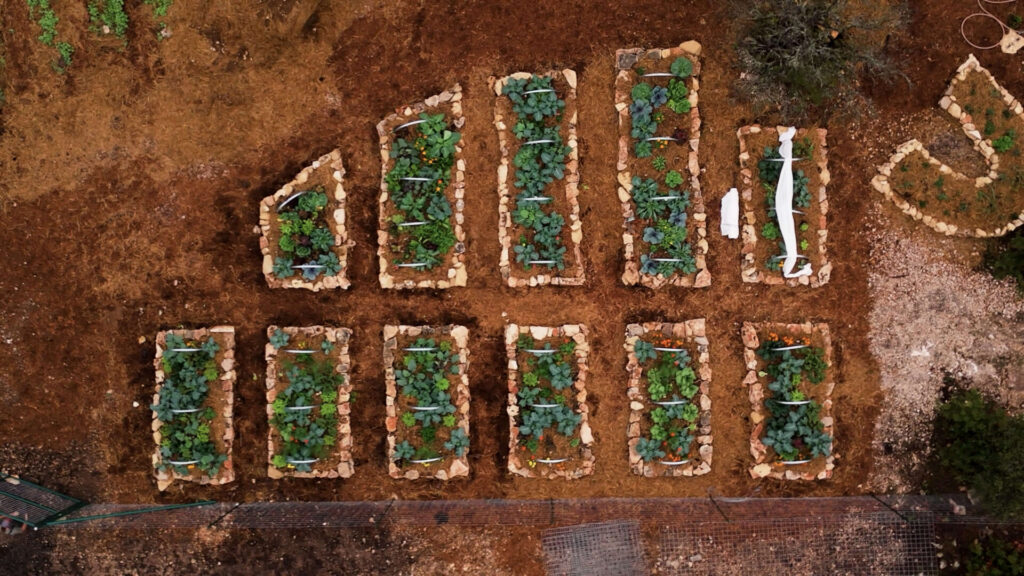
Aerial view of stone raised garden beds filled with cool season vegetables in Central Texas during winter

Raised Beds in Cold Weather

Winter is a great season to build or refresh raised beds. The soil is easier to work with, materials last longer when installed in cool temperatures, and new beds have time to settle before spring planting begins. Many gardeners prefer raised beds during cold months because they warm a little faster than in ground beds and handle heavy winter rains with better drainage. This creates healthier root zones for cool season herbs and vegetables.

If you want to explore the different types of raised beds that perform well in Central Texas, we created a detailed guide that walks through stock tanks, cedar beds, hybrid systems, and in ground variations. It explains how each option handles our local soil, climate patterns, and seasonal temperature swings.

You can read it here:

Raised Garden Bed Options for Central Texas

This is a helpful resource if you are planning to expand your garden for the season or if you want to compare the pros and cons of different bed types before you begin winter planting.

Raised beds with metal hoops prepared for row cover to protect winter vegetables in Central Texas

Use Row Cover for Light to Moderate Freezes

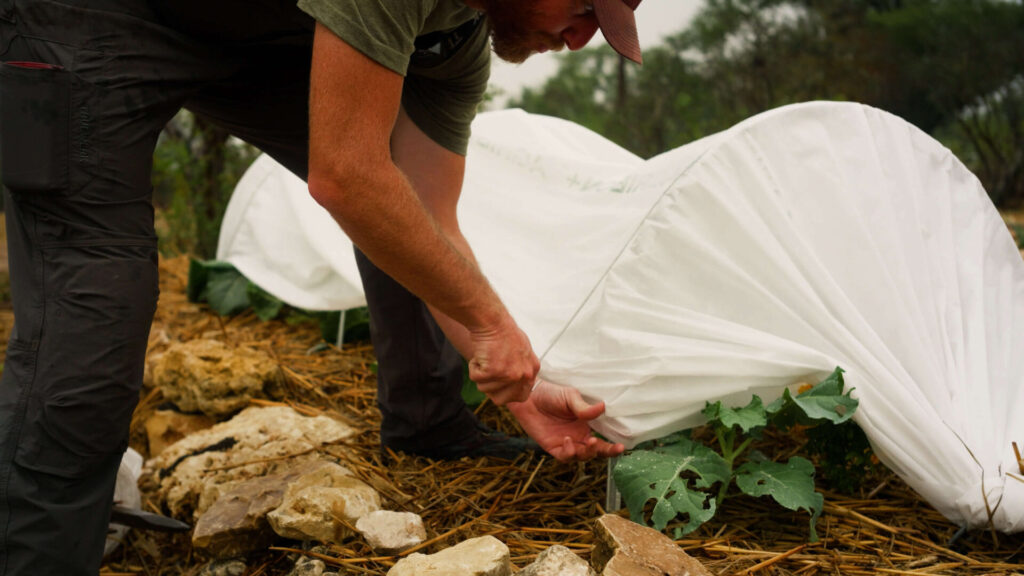
Row cover is one of the most effective tools for cold season gardening. It is lightweight, breathable, and easy to install. It creates a small buffer of trapped air that protects plants during nights that drop below freezing.

Why it works:

  • Holds several degrees of heat near the soil surface

  • Keeps frost off tender leaf surfaces

  • Reduces wind exposure

  • Safe to leave on for days at a time if needed

Best for:
Lettuce, cilantro, dill, parsley, kale, Swiss chard, mustard, broccoli, cabbage, cauliflower, and all young seedlings.

If you already use low tunnels or hoops, drape row cover over the frame and secure it with soil, sandbags, or pins.

Add a Second Layer for Hard Freezes

During rare cold events, especially nights below the mid 20s, two layers of protection can make a big difference.

You can combine:

  • Row cover over hoops

  • A second layer of row cover or clear plastic on top

  • Straw or leaves around the base of sensitive plants

The goal is to trap a little extra heat without sealing the plants away from airflow.

Important:
If you use plastic, remove or vent it during the day to prevent overheating.

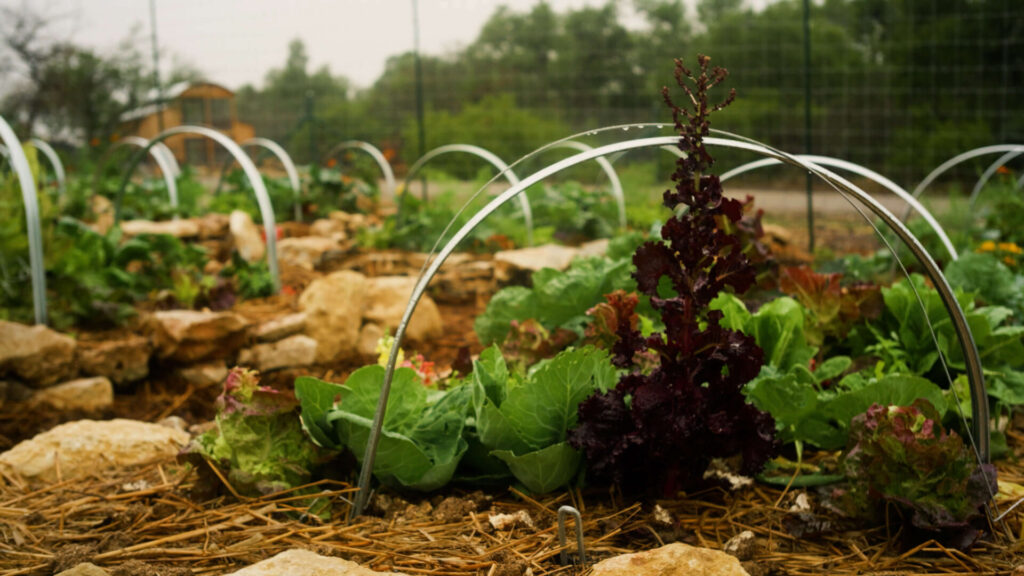
Winter vegetable garden in Central Texas showing kale, lettuce, and cabbage growing in raised beds with hoop frames

Mulch Around the Base of Plants

Mulching is one of the simplest ways to stabilize soil temperature during winter.

Good winter mulches include:

  • Clean straw

  • Shredded leaves

  • Pine needles

  • Wood chips for pathways

Benefits:

  • Protects roots from freeze and thaw cycles

  • Helps retain soil moisture

  • Reduces weed pressure

  • Encourages cool season biological activity

Mulch is especially helpful for perennial herbs like lemon balm, parsley, sorrel, and oregano.

Water Before a Freeze

Moist soil holds heat better than dry soil. Watering the garden the day before a freeze can help buffer sensitive plants.

Why this matters:

  • Increases soil warmth

  • Reduces dehydration caused by cold dry winds

  • Supports plant recovery after the event

Do not overwater, especially in compacted beds. A steady, even soak is enough.

Harden Off Young Plants

Seedlings started indoors or purchased at a nursery need time to adjust to outdoor conditions.

To harden off:

  • Place them outside for several hours a day for a week

  • Increase exposure gradually

  • Protect them on cold nights

Well hardened plants handle cold snaps far better than tender new transplants.

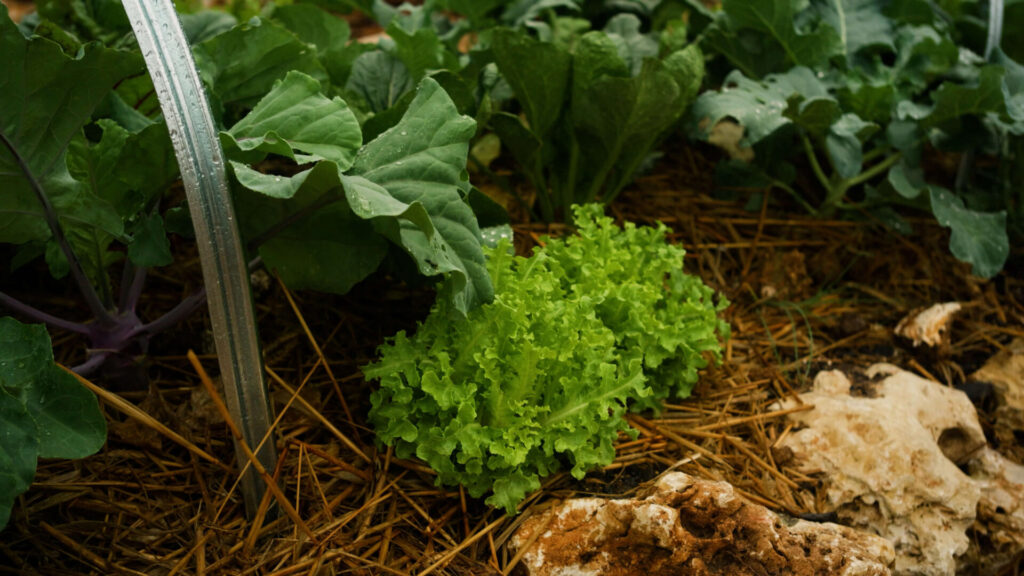
Close up of lettuce, kohlrabi, and leafy greens growing in a mulched raised bed during winter in Central Texas

Know Which Crops Can Take a Freeze

Most cool season vegetables are naturally hardy. They prefer cold weather and often taste better after a frost.

Very cold tolerant:
Kale, collards, broccoli, cabbage, spinach, parsley, chives, sorrel, cilantro

Moderately tolerant:
Lettuce, Swiss chard, beets, radishes, carrots, dill, mustard greens

Least tolerant:
Chamomile, borage, young onions, very young transplants of any kind

Knowing what can handle a freeze helps you focus your protection efforts where they matter most.

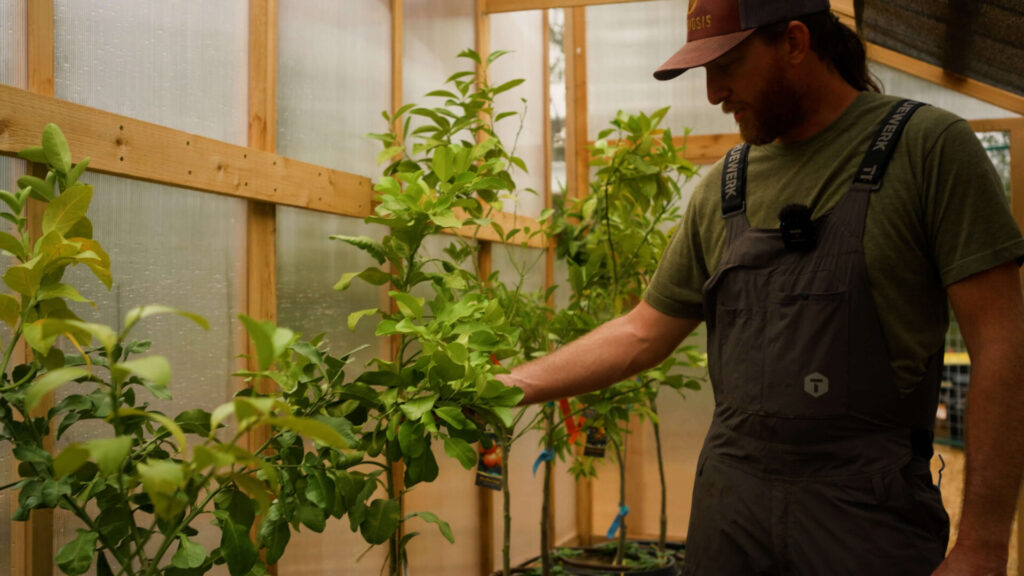
Gardener inspecting citrus trees inside a greenhouse during winter in Central Texas

Use Greenhouses for Extra Tender Crops

Greenhouses work well for cool season herbs that dislike hard freezes. They also extend your harvest window into early spring.

Great greenhouse candidates include:

  • Early season tomatoes or peppers started for spring

  • French tarragon

  • Young parsley, dill, and cilantro

  • Lettuce varieties that dislike wind stress

Greenhouses are not required for winter growing in Central Texas, but they can help you produce more consistently during cold spells.

Prepare Beds Before the Freezing Season

A little groundwork in fall makes winter gardening smooth and low maintenance.

Helpful steps include:

  • Add compost to support winter growth

  • Shape beds for good drainage

  • Install irrigation or plan for hand watering

  • Set up hoops needed for row cover

  • Mulch pathways to create insulation

Well prepared beds warm faster, drain better, and hold nutrients through the season.

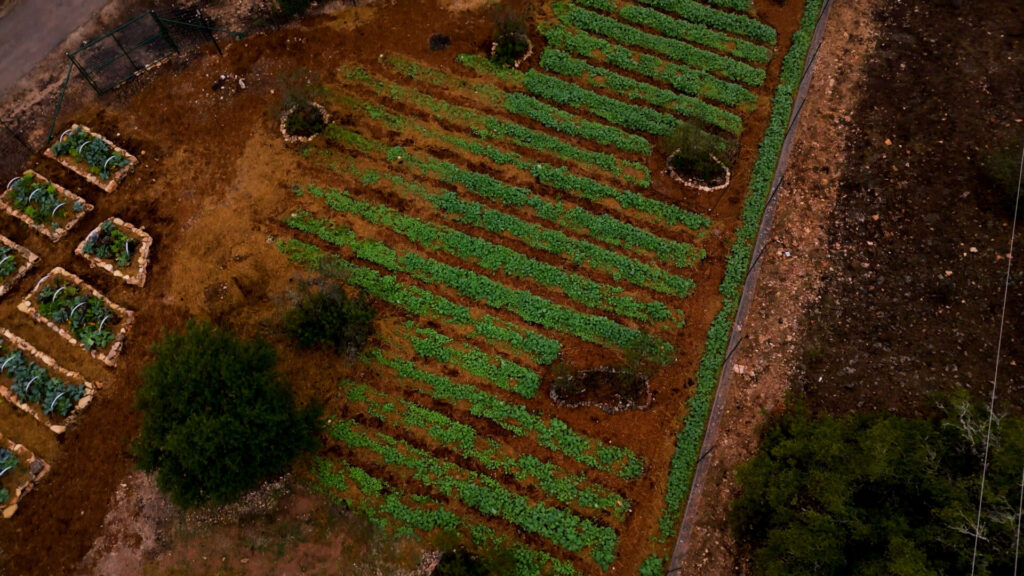
Aerial view of in ground winter vegetable rows growing successfully in Central Texas

Final Thoughts on Freeze Protection

Cold weather gardening in Central Texas is productive and rewarding. With a few simple tools and good timing, you can grow healthy vegetables and herbs from fall through early spring with very little risk from cold spells.

Use the planting guide to time your crops correctly, protect young plants during occasional freezes, and enjoy how effortless winter gardening can feel in our region.

🌱 Let’s Build A Garden That Supports Your Land for Years to Come.

A well planned winter garden becomes a living part of your landscape. It produces steady harvests, supports soil health, invites pollinators during warm spells, and strengthens the resilience of your land through the cooler months. At Symbiosis TX, we create planting guides and growing systems that work with your climate, your soil, and your long term goals for the land.

Cold weather gardening in Central Texas is one of the most reliable ways to grow food. With the right timing and simple protection, your beds can stay productive from fall through early spring.

Ready to explore what is possible in your cool season garden?

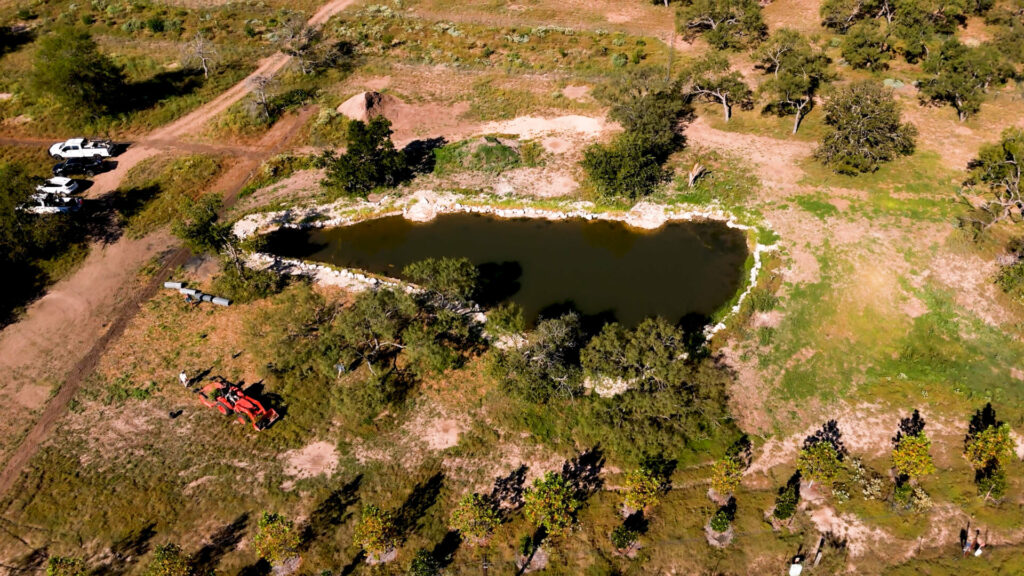
A newly constructed Central Texas pond designed by Symbiosis TX showcasing ecological water retention and regenerative land management.

Building a Healthy Pond in Central Texas

Learn how to design, build, and maintain an ecologically functional pond in Central Texas. This comprehensive guide covers watershed planning, excavation, bentonite sealing, spillways, vegetation, microbes, and long-term ecological management.

Read More »
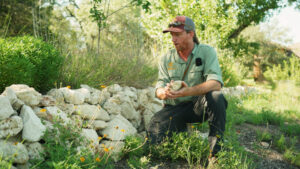
Man practicing ecoforestry techniques in a sustainable forest

Seasonal Land Care in Central Texas: The Importance of Ecological Forestry in Winter

Ecoforestry is a sustainable land management approach that aligns forestry practices with ecological principles to maintain and restore healthy forest ecosystems. In Central Texas, timing forestry activities to coincide with seasonal conditions is crucial for promoting tree health and preventing diseases such as oak wilt. Conducting forestry work during winter and summer, when disease-spreading insects are less active, helps protect trees and supports biodiversity. Winter also offers advantages like cooler temperatures and better visibility due to leafless trees, making it an optimal time for tasks such as pruning, removing hazardous limbs, and improving land access. Implementing ecoforestry practices during these periods ensures the long-term health and resilience of Central Texas forests.

Read More »