
Overgrazing in the Texas Hill Country
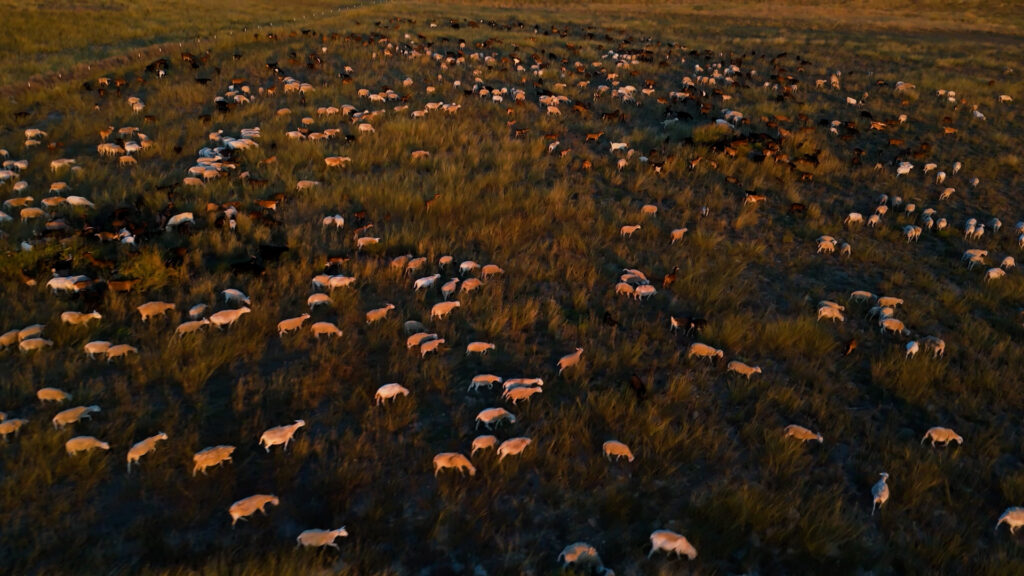
Home / Overgrazing in the Texas Hill Country Why Timing, Movement, and Recovery Matter More Than Stocking Rate Overgrazing is one of the most commonly cited causes of land degradation in the Texas Hill Country. It is also one of the most misunderstood. The term is often used as shorthand for “too many animals,” but […]
Karst Hydrology and Water Movement in the Texas Hill Country
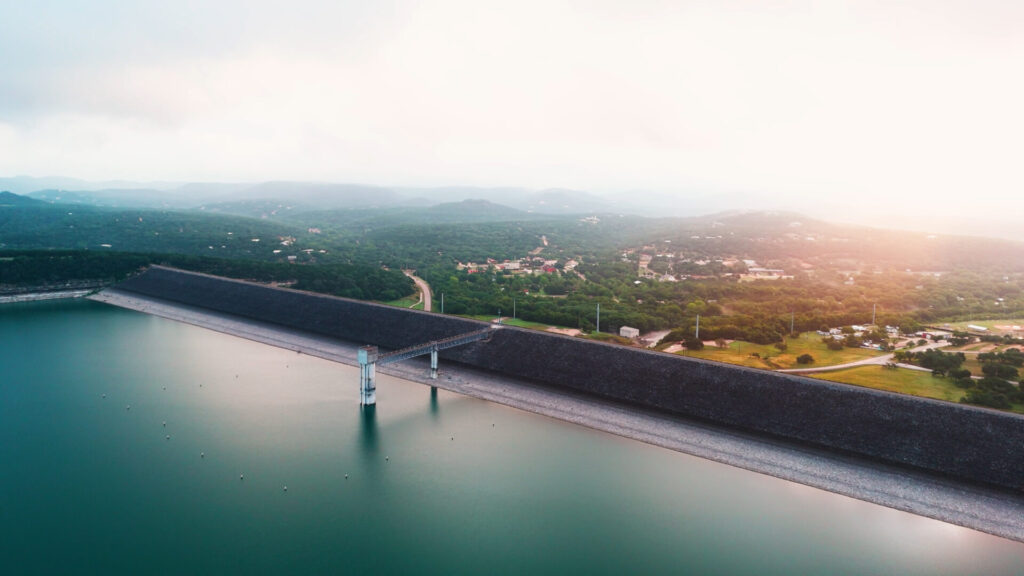
Home / Karst Hydrology and Water Movement in the Texas Hill Country How Fractured Limestone Shapes Recharge, Springs, and Risk Water in the Texas Hill Country behaves differently than it does in regions dominated by deep, continuous soils. Much of this difference comes from geology. Large portions of Central Texas sit atop karst limestone, a […]
Scale and Fragmentation in Central Texas Land and Water Systems
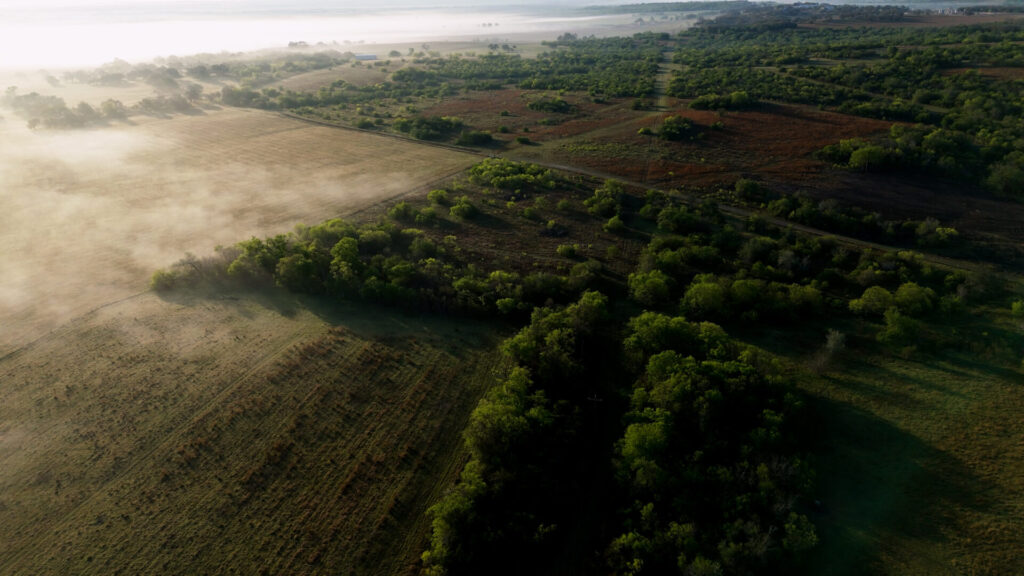
Home / Scale, Fragmentation, and Why Good Practices Don’t Always Scale Why Scale and Fragmentation Matter in Central Texas Many land management practices in Central Texas improve soil cover, slow water, increase infiltration, support vegetation recovery, and reduce erosion at the site level. At the same time, broader systems often continue to degrade across fragmented […]
Adaptive Management in Central Texas: Monitoring, Learning, and Recovery
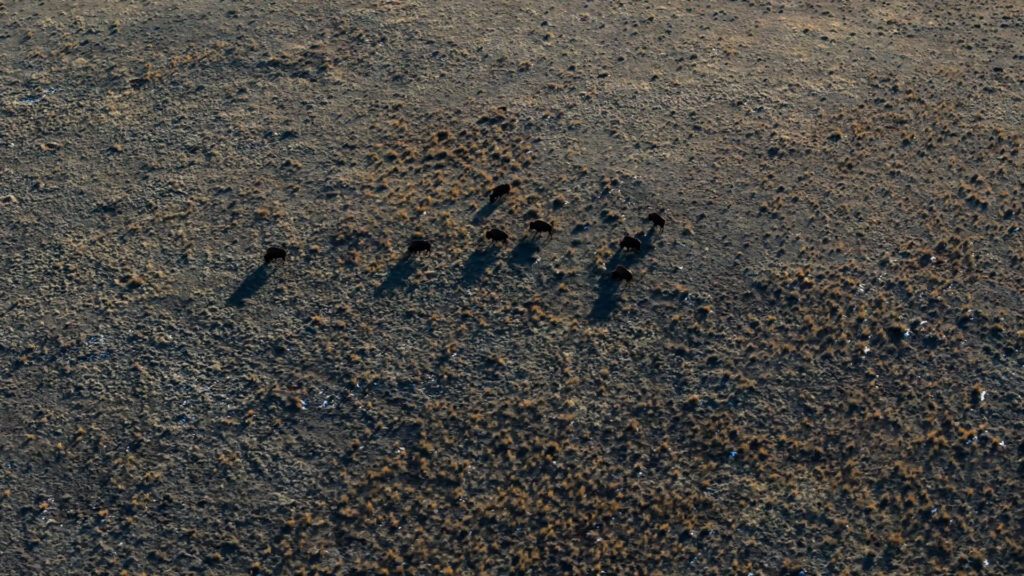
Home / Monitoring, Learning, and Adaptive Management in Central Texas How to Make Decisions in Complex Landscapes Without Prescriptions Land management in Central Texas is often framed around tools and practices: grazing systems, brush management, fire, water infrastructure, and planting strategies. What receives far less attention is how decisions are made over time in landscapes […]
Urbanization, Permeability, and Water Movement in Central Texas
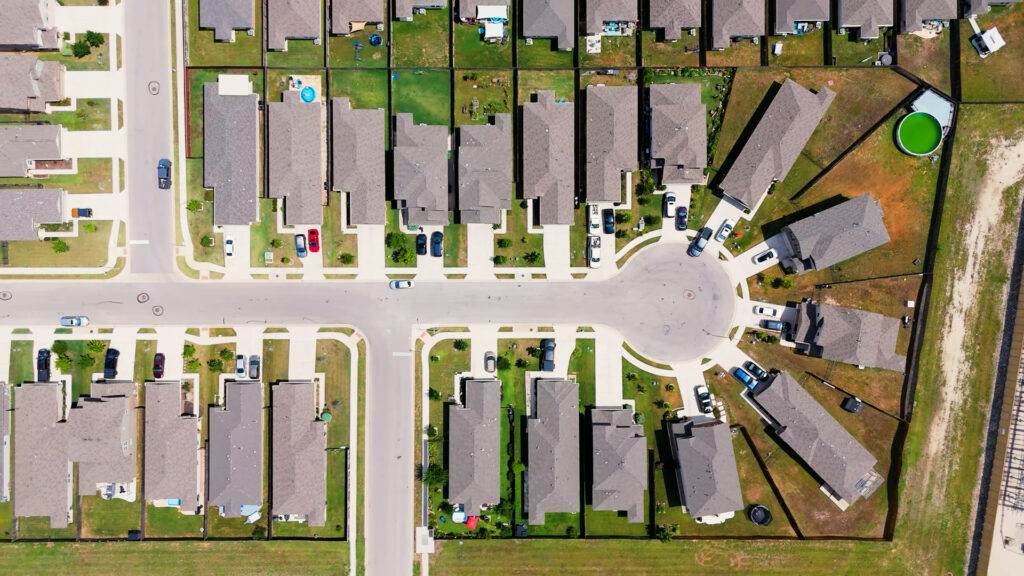
Home / Urbanization, Permeability, and Water Movement in Central Texas How Development Changes Timing, Storage, and Risk Urbanization is often discussed in terms of population growth, housing, or land use change. In Central Texas, its most immediate and consequential effects show up in how water moves across the landscape. Across much of the region, total […]
Fire in the Texas Hill Country: Ecology, History, and Limits
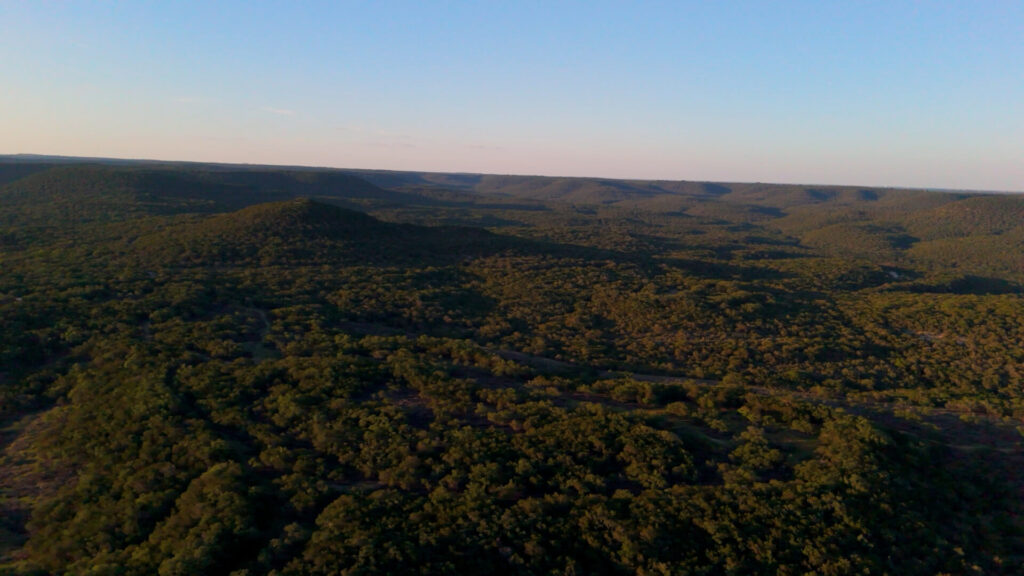
Home / Fire in the Texas Hill Country What It Did Historically and Why It Is Not a Silver Bullet Fire is one of the most frequently invoked forces in Texas Hill Country land management, and one of the most often misunderstood. It is sometimes described as something that “used to keep juniper in check,” […]
Grazing, Recovery, and Woody Encroachment in Central Texas
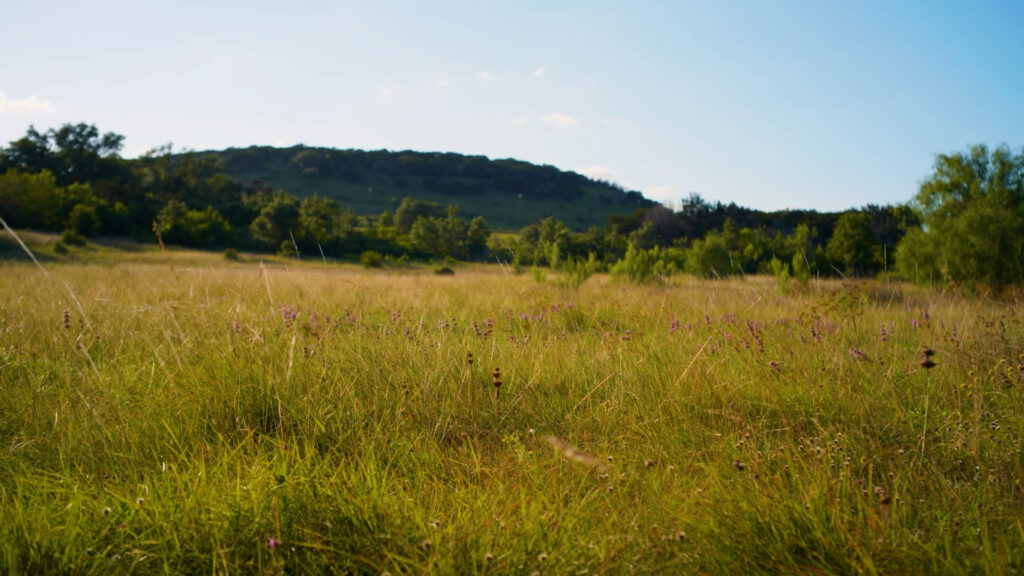
Home / Grazing, Recovery, and Woody Encroachment in Central Texas Why Timing, Rest, and Scale Shape Vegetation Change Woody encroachment in Central Texas is often framed as a vegetation problem. Juniper expands. Brush thickens. Grass disappears. Across most rangeland science, woody expansion is treated as a multi-driver shift shaped by interacting forces that vary by […]
How Springs Actually Work in the Texas Hill Country
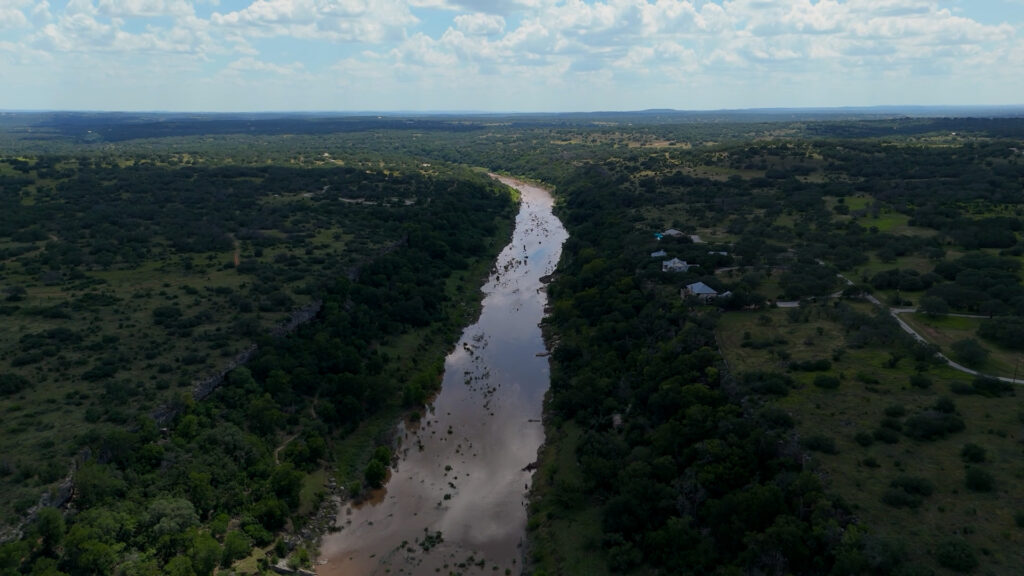
Home / How Springs Actually Work in the Texas Hill Country Why Water Appears, Disappears, and Moves the Way It Does Springs are one of the most misunderstood features of the Texas Hill Country landscape. They are often treated as indicators of land health, proof that a management action worked, or evidence that water has […]
Managing Ashe Juniper in Central Texas: When to Cut and When to Keep
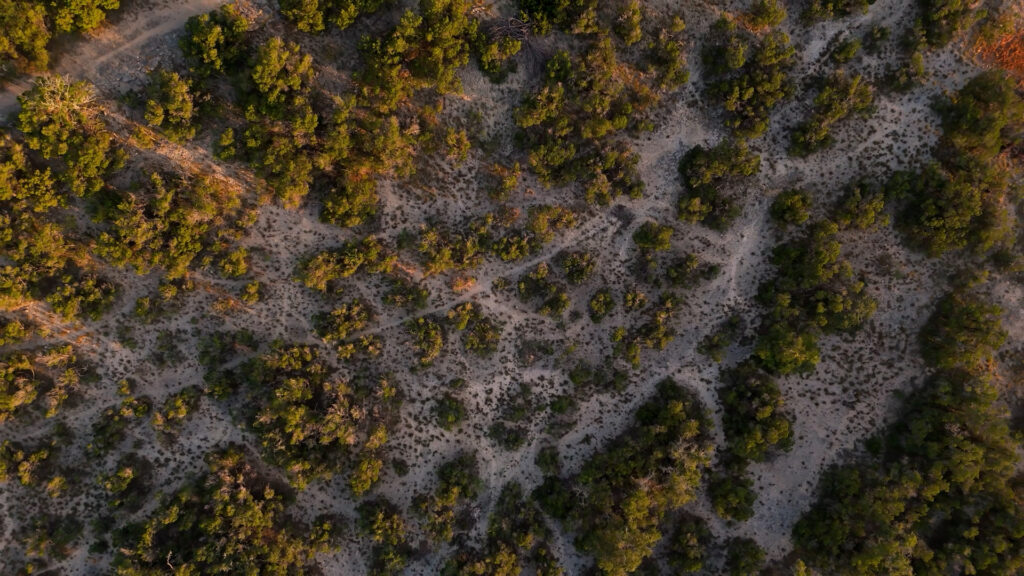
Home / Managing Ashe Juniper in Central Texas When to Cut, When to Keep, and How to Use It Well Ashe juniper is one of the most debated plants in the Texas Hill Country. Once you move past myths and historical oversimplifications, a more useful question emerges. Not “Should we remove cedar?”But “What role is […]
Soil Health as the Engine of Water Health
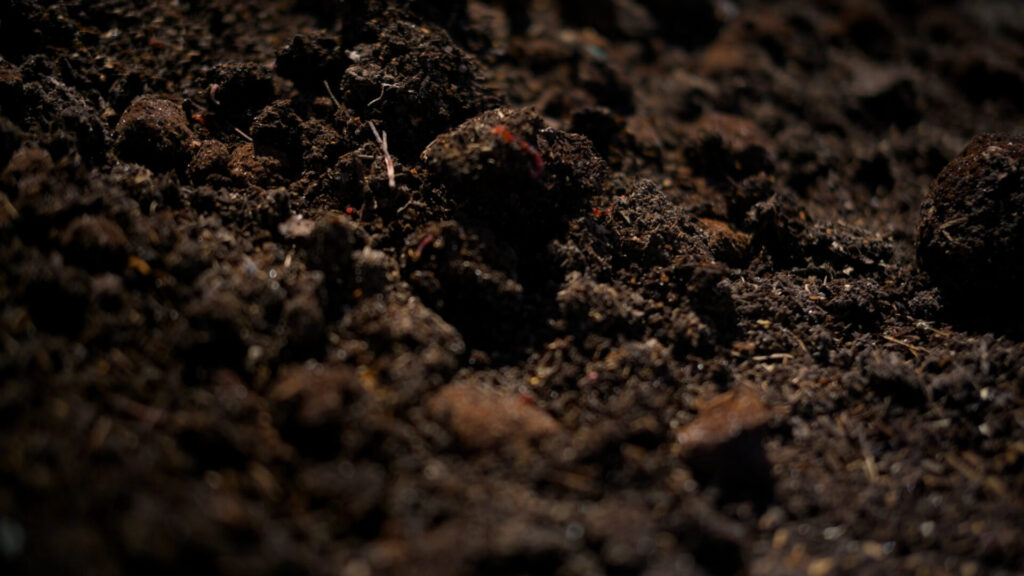
Home / Soil Health as the Engine of Water Health in Central Texas In the Texas Hill Country, water outcomes are shaped long before rainfall ever reaches a creek, pond, or river. The condition of the soil surface and the living systems within it determine whether rain becomes infiltration or runoff. When soils function well, […]
Ashe Juniper in the Texas Hill Country: Ecology, Water, and Fire Myths

Home / Ashe Juniper in the Texas Hill Country Ashe juniper (Juniperus ashei) is native to Central Texas and the Edwards Plateau. Its presence in the region predates European settlement by many thousands of years. Fossil pollen records and historical ecology syntheses indicate juniper occurrence in Central Texas landscapes since at least the late Pleistocene¹. […]
Texas Hill Country Ecology: How the Land, Water, and Landscape Changed
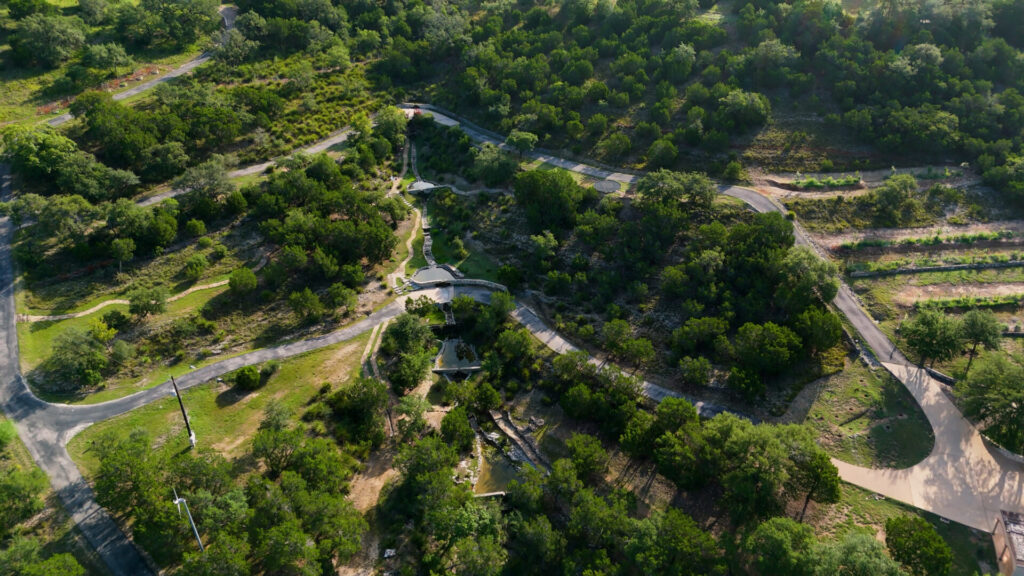
The Texas Hill Country did not arrive at its current condition by accident. Its water challenges, soil loss, vegetation shifts, and flooding patterns are the result of more than a century of land-use change layered onto a complex ecological system shaped by flood and drought. This foundational guide explains how the Hill Country functioned, what changed, and why understanding that history matters for regeneration today.
Building a Healthy Pond in Central Texas
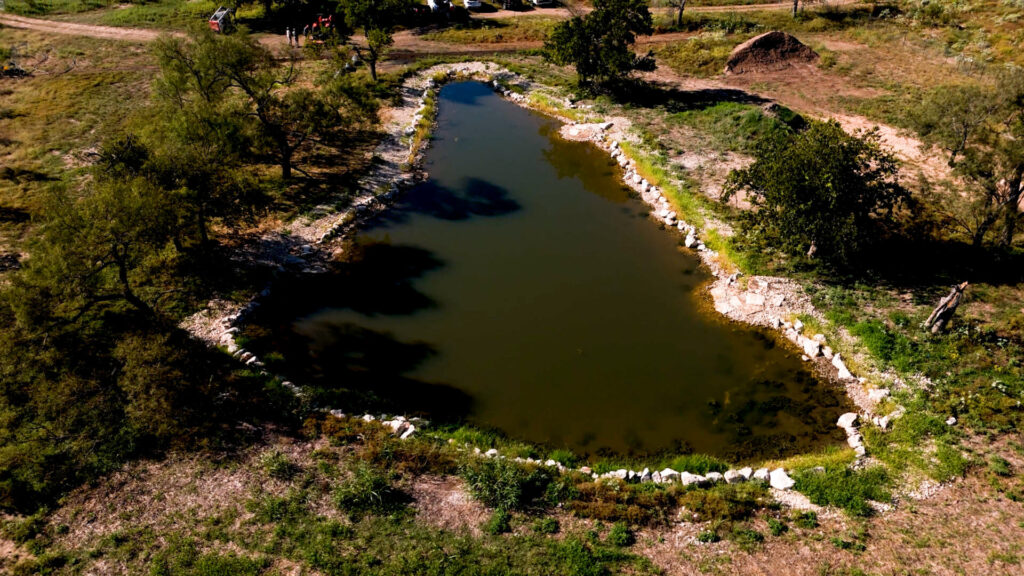
Learn how to design, build, and maintain an ecologically functional pond in Central Texas. This comprehensive guide covers watershed planning, excavation, bentonite sealing, spillways, vegetation, microbes, and long-term ecological management.