Home / Land Management Practices / Limestone Terraces in Central Texas for Erosion Control and Soil Building

Limestone Terraces in Central Texas: Erosion Control, Soil Building, and Hill Country Restoration

In much of Central Texas, land degradation shows up as compacted slopes, reduced water infiltration, and exposed rock with limited vegetation. On a two-acre property in Spicewood, existing native trees were declining, and rainfall rapidly moved downhill without soaking into soil. Before planting could succeed, water needed to be slowed and soil function restored.

Watch the full project walkthrough in the video below:

Understanding Runoff, Compaction, and Soil Health

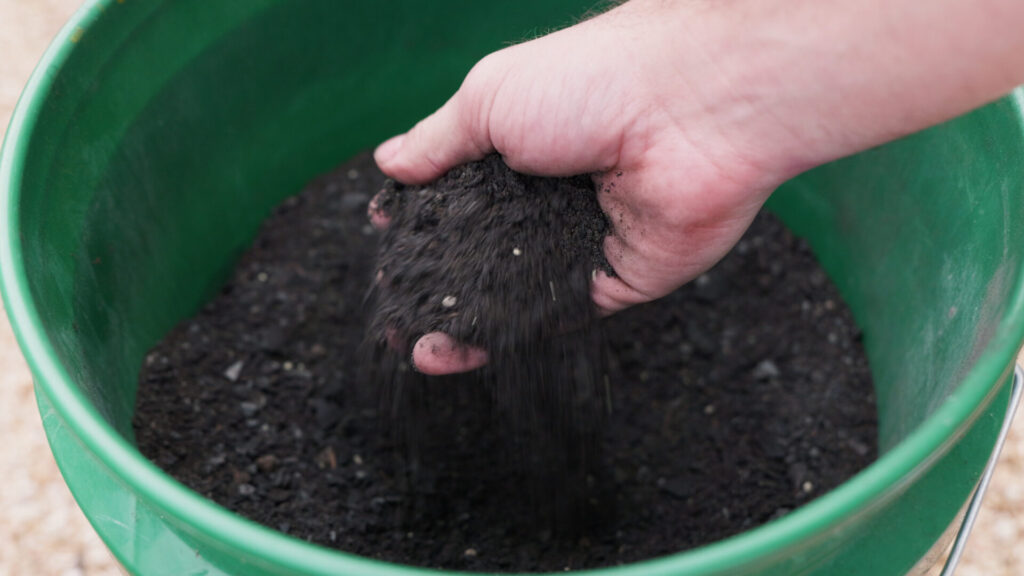
Healthy soil functions as a sponge that captures rainfall, stores water, and feeds plant roots. According to the USDA Natural Resources Conservation Service, increasing soil organic matter improves infiltration, reduces runoff, and strengthens drought resilience (NRCS Soil Health Principles, nrcs.usda.gov). Across the Texas Hill Country, shallow soils and variable rainfall make these functions even more critical.

This concept aligns with our Foundations article Soil Health as the Engine of Water Health in Central Texas, which explains how soil structure and biology drive water outcomes in this region.

When soil is compacted or barren, surface water moves quickly downhill, carrying organic matter and nutrients with it. This pattern undermines ecological function by preventing soil regeneration and plant establishment.

Why Limestone Terraces Work in the Texas Hill Country

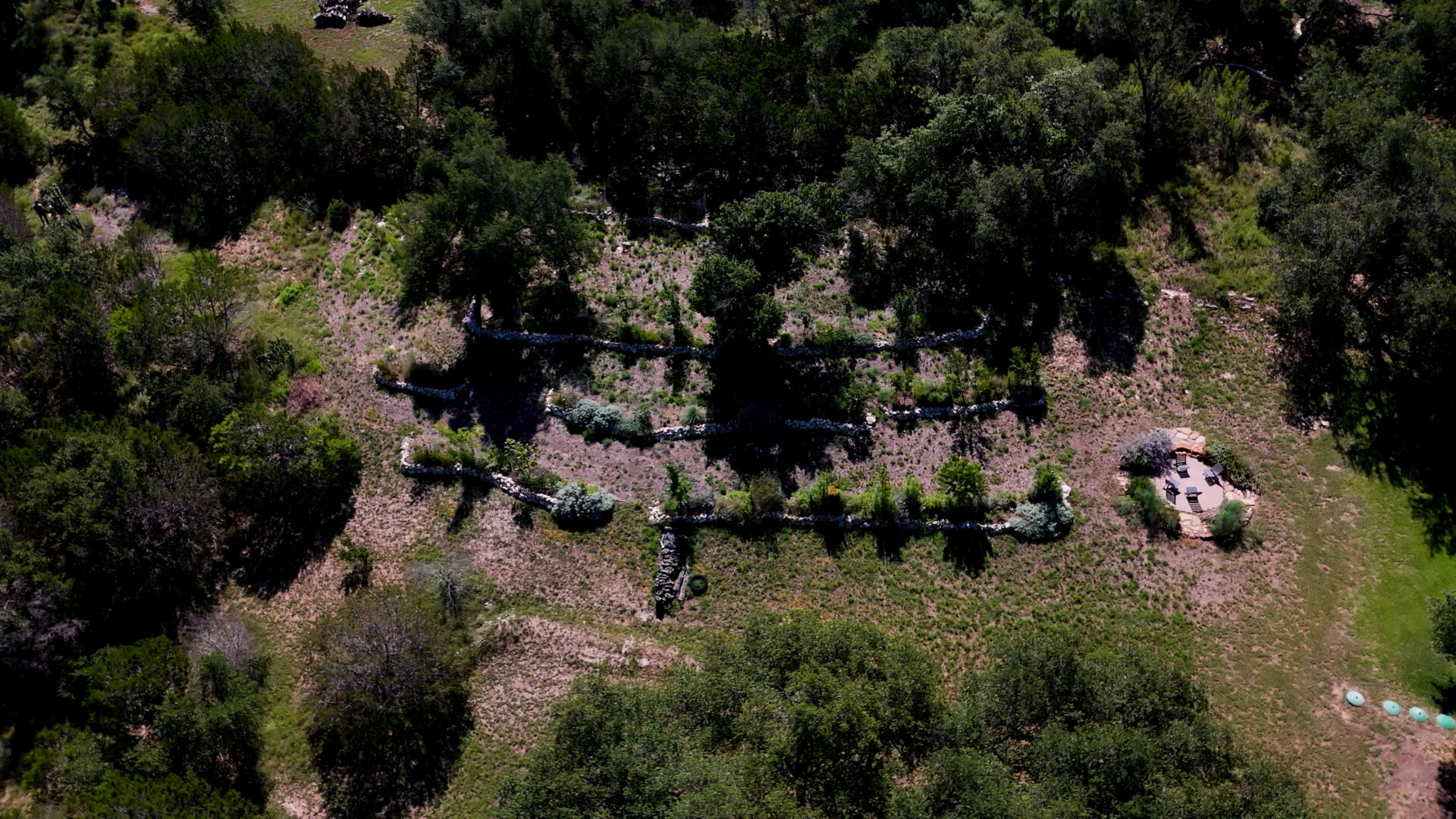
Aerial view of dry stack limestone terraces on a sloped Hill Country property in Central Texas designed for erosion control and water infiltration.

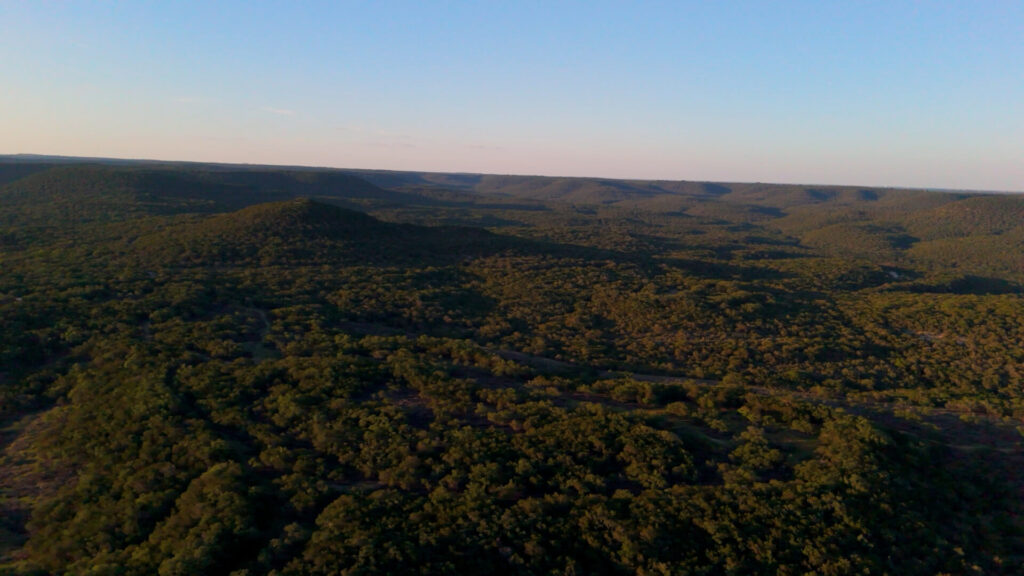
Terracing has been used for centuries to stabilize slopes and slow surface water. In Central Texas, limestone is abundant and appropriate for contour terraces because the regional geology is dominated by fractured karst limestone formations that play a key role in water movement and recharge (see Karst Hydrology and Water Movement in the Texas Hill Country for deeper context).

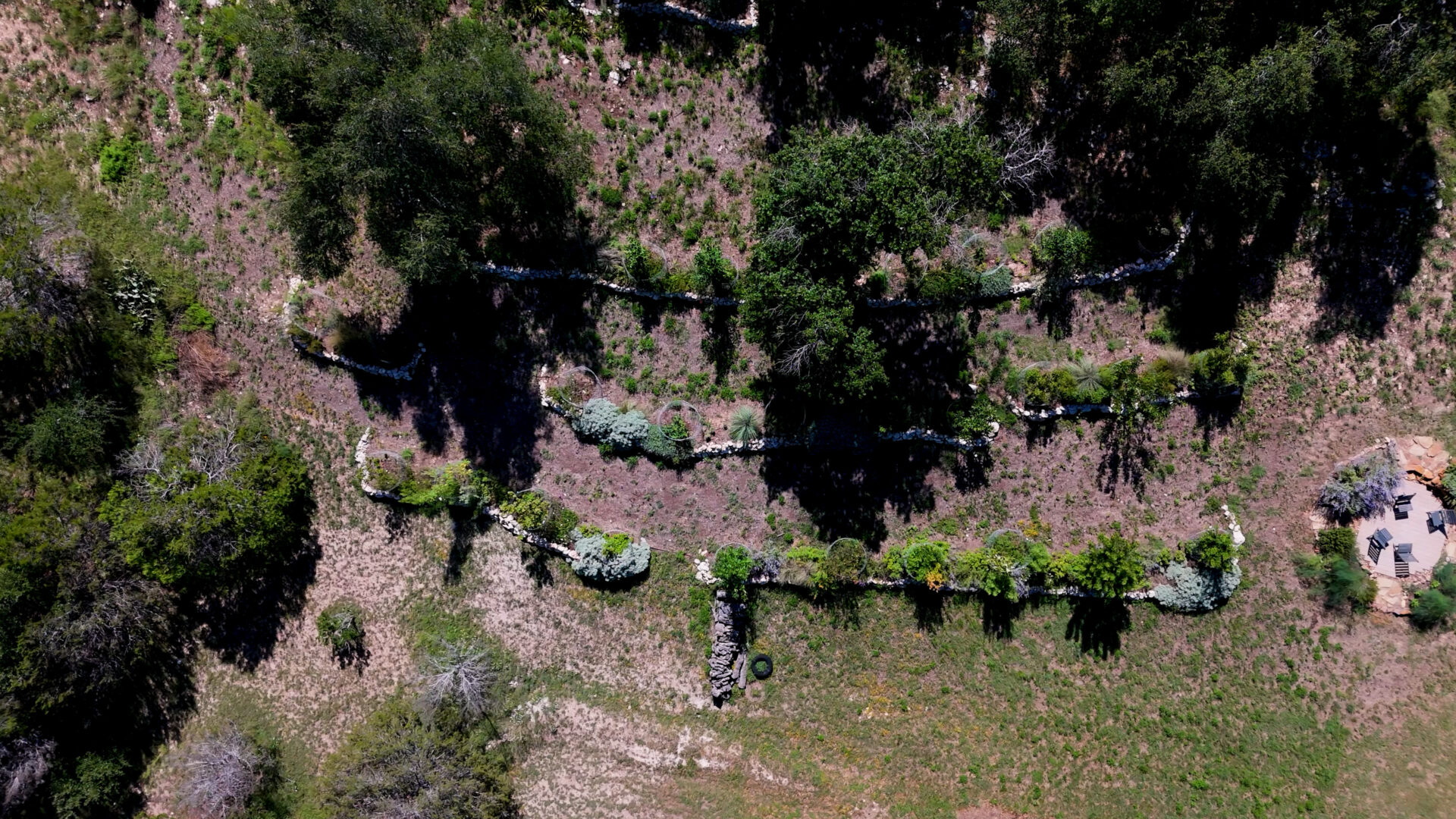
Dry stack limestone retaining walls were built along contour lines and spaced about 20 feet apart on this site. These stone terraces achieve several key functions:

  • Slow surface runoff

  • Increase water infiltration

  • Capture organic matter

  • Reduce soil erosion

  • Support soil building over time

Because the walls are dry stacked rather than mortared, water drains slowly through gaps and fractures, reducing hydro-static pressure and mimicking natural stone assemblies.

Limestone terraces tie landscape design to regional geology and help stabilize slopes while creating micro-habitats and water capture infrastructure.

Ecological Benefits Beyond Erosion Control

Limestone retaining walls support habitat structure for reptiles, insects, pollinators, and soil microbes by moderating temperatures and creating sheltered microclimates. Research on rock mulches and stone structures in arid landscapes suggests improved moisture retention and habitat complexity in similar environments.

Integrating stone into landscape design reflects the region’s natural character and supports biodiversity outcomes that align with broader regenerative goals.

Building Soil and Plant Diversity

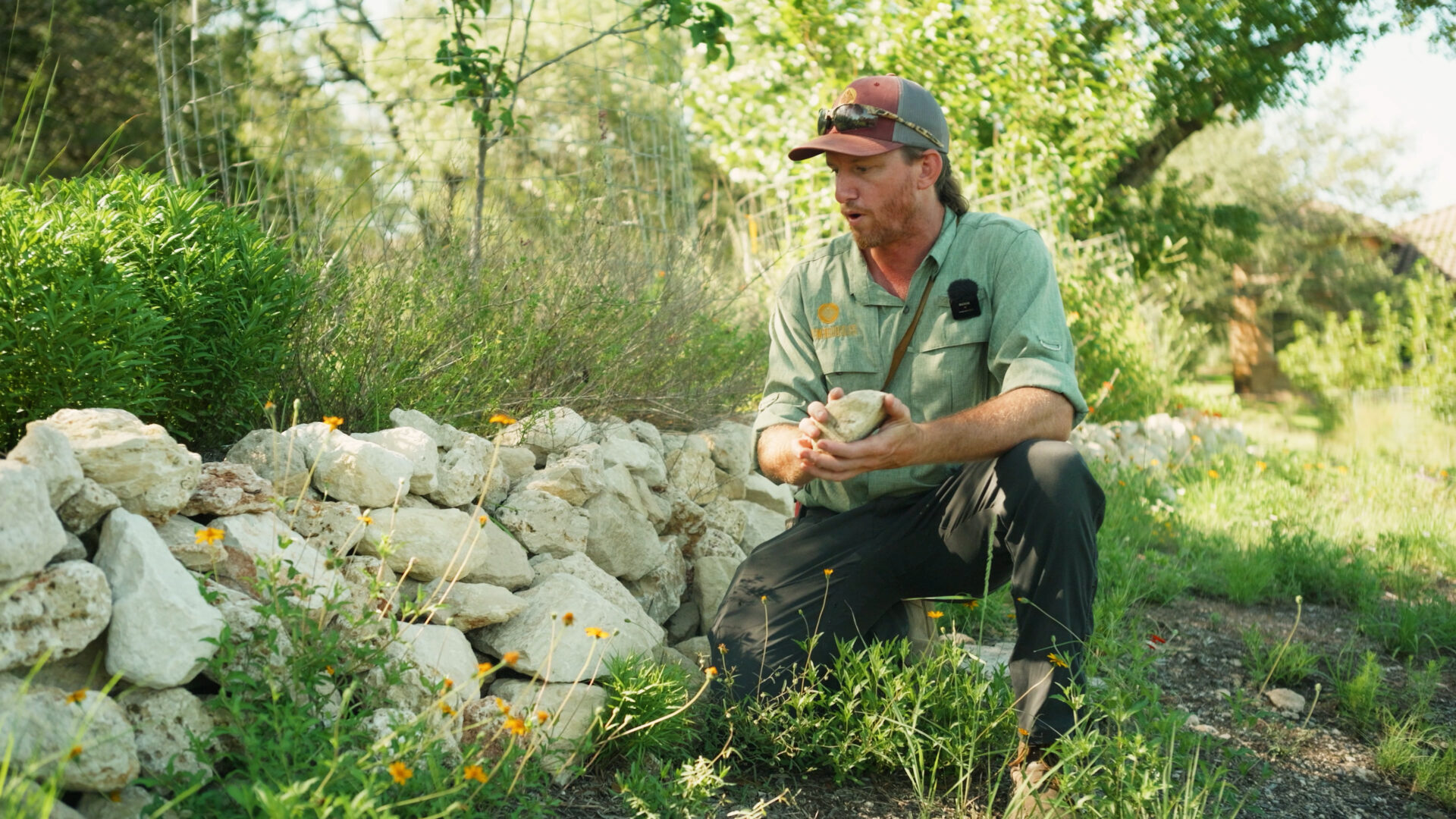
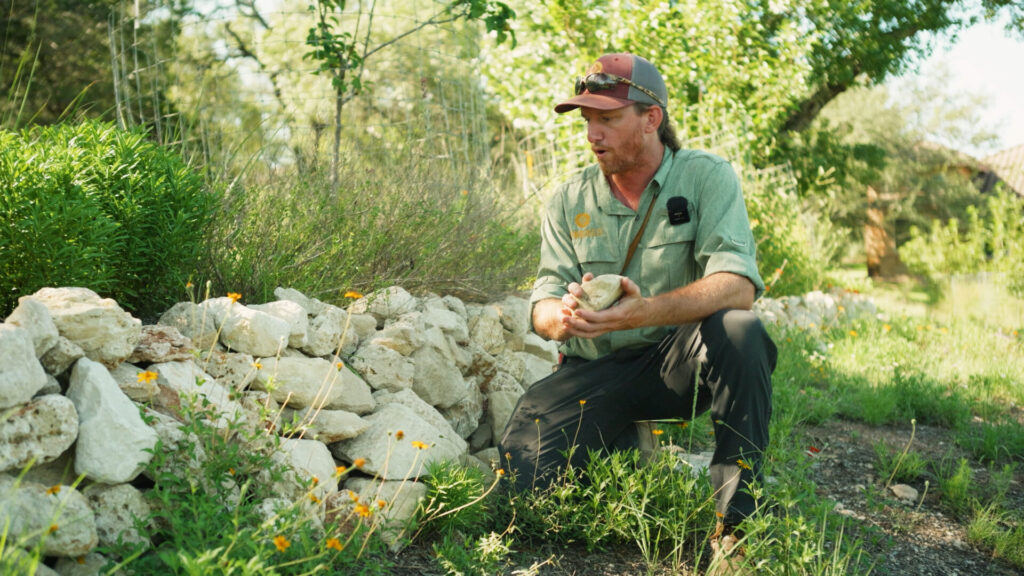
Landscape designer kneeling beside a dry stack limestone retaining wall holding a piece of porous Hill Country limestone.

Once terraces slowed runoff, the next step was restoring soil behind each wall using a blend of native material and organic amendments. From there, biological activity was stimulated through:

  • Compost and organic inputs

  • Liquid biological fertilizers

  • Cover crops

  • Native seed mixes

  • Diverse tree and perennial species

Introducing diversity strengthens ecosystem resilience. Plant diversity improves soil microbial diversity and nutrient cycling, which accelerates soil development (Tilman et al., Nature, 1996; USDA Soil Biology Primer).

Rather than pursuing 100 percent survival, species were intentionally overplanted. Plants that thrived expanded naturally over time, while others phased out — an adaptive approach rooted in observation.

This strategy complements the systemic thinking emphasized in our Scale and Fragmentation in Central Texas Land and Water Systems article by acknowledging local gains while recognizing broader watershed constraints.

Integrating a Functional Food Forest

Overhead drone image of multiple dry stack limestone retaining walls forming terraces across a Central Texas hillside landscape.

Though the terraces may not initially resemble a typical orchard, the system functions as a food forest through layered plantings:

  • Fruit trees (e.g., plum, mulberry, pear, peach)

  • Native canopy trees buffering intense afternoon sun

  • Understory perennials, medicinal plants, natives, and pollinators

  • Living groundcover acting as natural mulch

This layered structure reflects permaculture principles and is designed to optimize microclimate performance in the Hill Country context.

Fruit trees were placed to the northeast, with hardy native species to the southwest absorbing western sun — creating thermal gradients that support productivity and stress tolerance.

Deer, Browsing, and Adaptive Design

In the Hill Country, deer are a reality in most residential landscapes. Rather than excluding wildlife entirely, design incorporated:

  • Deer-tolerant plant species

  • Protective cages during establishment

  • Plant placement that accommodates browsing behavior

This wildlife-informed strategy supports long-term plant success in the context of local animal movement patterns.

Water Efficiency Through Targeted Irrigation

To support establishment without wasteful overhead watering, terraces are irrigated with drip irrigation spaced about two feet apart and with dedicated drip rings at each tree.

Drip systems reduce evaporation compared to traditional sprinklers. According to the EPA WaterSense program, drip irrigation can reduce landscape water use by 20–50 percent (epa.gov/watersense). Efficient irrigation complements practices that improve natural infiltration and soil moisture retention.

Community-Scale Impacts and Broader Context

As lawns and monocultures give way to water-sensitive, biodiverse landscapes, several cumulative benefits emerge:

  • Reduced irrigation demand

  • Increased soil carbon storage

  • Improved infiltration and reduced runoff

  • Expanded pollinator habitat

  • Higher evapotranspiration and vegetative cooling

These effects can elevate neighborhood resilience and microclimate performance over time when adopted at scale. While site-level interventions do not immediately change regional rainfall patterns, they generate pockets of enhanced function that contribute to broader landscape health.

This principle aligns with ecological scale insights discussed in Scale and Fragmentation in Central Texas Land and Water Systems, which explores how local actions contribute to cumulative landscape outcomes.

How to Build Limestone Terraces on Your Property

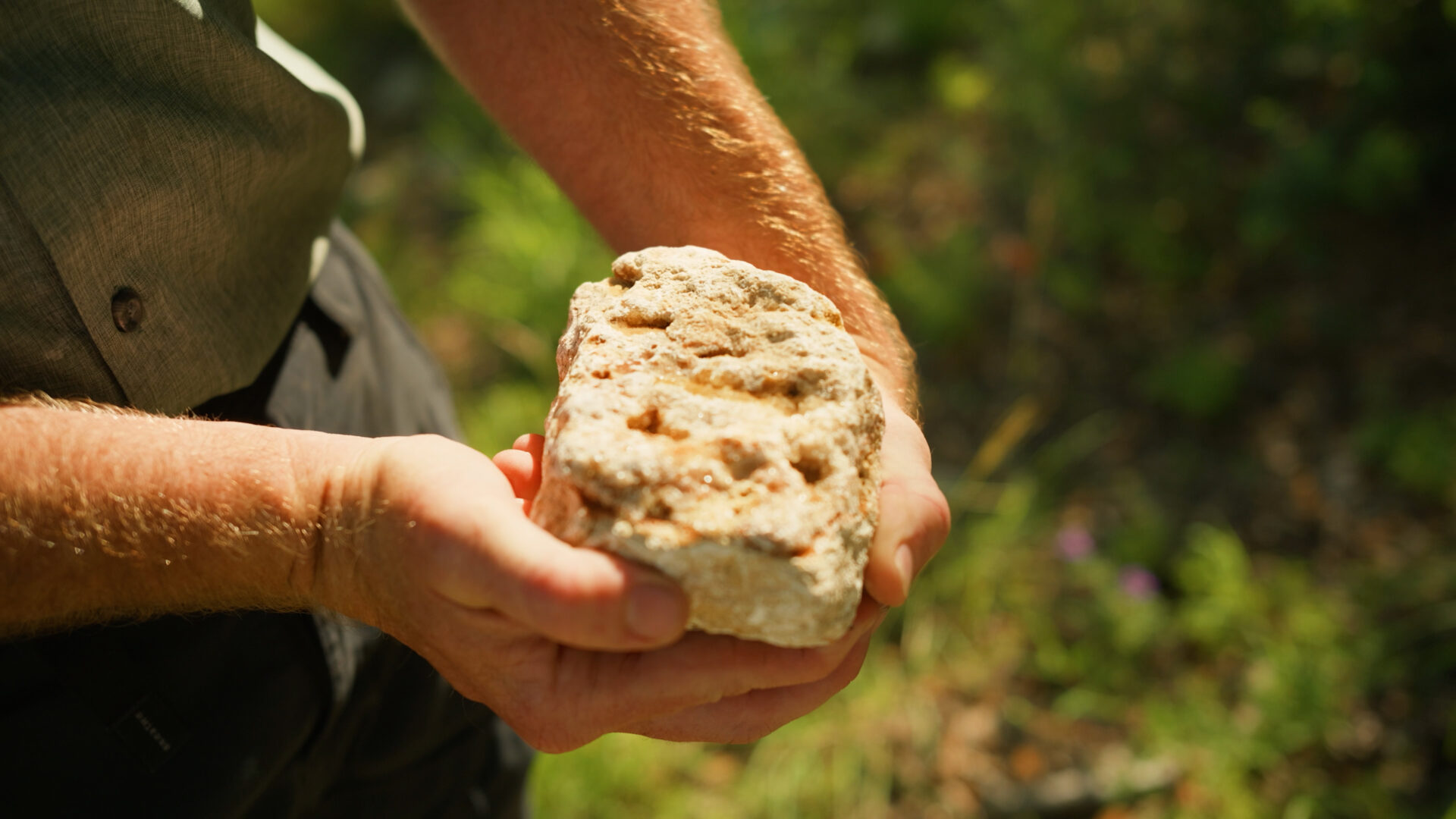
Close-up of porous karst limestone rock commonly used for terraces and retaining walls in Central Texas landscapes.

If you have a rocky slope and wish to build limestone terraces:

  1. Identify contour lines across the slope

  2. Dry stack limestone retaining walls along contour

  3. Backfill with soil and organic matter

  4. Seed generously with cover crops and native species

  5. Overplant species to encourage natural succession

  6. Observe and adapt over time

Homeowners often have abundant surface stone available on site, making this a feasible DIY project at small scales.

Limestone Terraces as Foundational Infrastructure

Limestone terraces are not decorative hardscape features. They are hydrological infrastructure meant to:

  • Slow water movement

  • Build functional soils

  • Support biodiversity

  • Stabilize slopes

  • Integrate with native geology

They create a structural foundation upon which regenerative landscapes can evolve.

For further context on how water, soil, and landscape interact in the Texas Hill Country, see our Texas Hill Country Ecology: How the Land, Water, and Landscape Changed article, which provides deep background on land-use history and ecohydrology.

Limestone Terraces in Central Texas: Frequently Asked Questions

What problem do limestone terraces solve in Central Texas?

Limestone terraces help slow surface runoff on sloped properties, reduce soil erosion, and increase water infiltration. In the Texas Hill Country, where soils are often shallow and rocky, dry stack limestone retaining walls can stabilize slopes and create conditions that support long-term soil building and plant establishment.

Are limestone retaining walls better than concrete walls for slopes?

In many residential Hill Country applications, dry stack limestone retaining walls offer advantages over mortared or concrete walls. They allow water to pass gradually through the structure, reducing hydrostatic pressure and improving drainage. They also integrate visually and ecologically with the region’s native geology.

Do limestone terraces increase water infiltration?

Yes. By interrupting downhill runoff and spreading water along contour, limestone terraces give rainfall time to soak into soil rather than washing away. Increased infiltration supports soil microbial life, reduces erosion, and improves drought resilience over time.

Are limestone terraces expensive to build?

Costs vary depending on scale and material sourcing. On smaller residential projects, importing limestone by the truckload can be feasible. On properties where surface rock is abundant, homeowners may be able to repurpose on-site material, reducing overall expense. Compared to structural concrete retaining walls, dry stack systems can often be more affordable and easier to modify.

Can limestone terraces be a DIY project?

On small slopes, limestone terraces can be built by homeowners willing to gather stone, identify contour lines, and dry stack retaining walls carefully. Larger projects or steep slopes may require professional design to ensure structural stability and proper drainage.

Do limestone retaining walls help prevent erosion during heavy rain?

Yes. Terraces slow the velocity of water moving downhill, which reduces the erosive force of rainfall. By capturing sediment and organic matter behind each wall, they gradually rebuild soil structure and reduce long-term erosion risk.

Will limestone terraces attract wildlife?

Dry stack limestone creates microhabitats for beneficial insects, reptiles, and pollinators. These species can contribute to pest control and ecological balance. In Central Texas landscapes, wildlife integration is typically viewed as a positive ecological outcome.

Do limestone terraces require irrigation?

Terraces themselves do not require irrigation, but newly planted vegetation behind them may benefit from drip irrigation during establishment. Efficient drip systems can reduce evaporation and water waste while supporting plant survival in dry periods.

How long does it take to see results from limestone terraces?

Water movement improvements are immediate once terraces are installed. Soil building and vegetation establishment take longer. Within one to two growing seasons, increased plant diversity and improved ground cover typically become visible, especially when biodiversity and soil biology are actively supported.

Are limestone terraces only for large properties?

No. While terraces are common on rural acreage, they can also be effective in suburban backyards with slopes. Even small contour walls can reduce runoff, improve planting conditions, and create functional garden spaces.

Can limestone terraces change local rainfall patterns?

A single property will not meaningfully alter regional rainfall. However, increased vegetation, soil health, and evapotranspiration at neighborhood scale can improve microclimate conditions over time. When adopted broadly, regenerative landscaping contributes to cumulative ecological resilience.

Related Educational Context

For foundational context across land regeneration and water health, visit our Central Texas Land Regeneration Education hub.

Limestone Terraces in Central Texas for Erosion Control and Soil Building

Home / Limestone Terraces in Central Texas: Erosion Control, Soil Building, and Hill Country Restoration…

Applying Wildfire Science to Land Stewardship in Central Texas

Home / Applying Wildfire Science to Land Stewardship in Central Texas Companion article to Episode…

Overgrazing in the Texas Hill Country

Home / Overgrazing in the Texas Hill Country Why Timing, Movement, and Recovery Matter More…

Karst Hydrology and Water Movement in the Texas Hill Country

Home / Karst Hydrology and Water Movement in the Texas Hill Country How Fractured Limestone…

Scale and Fragmentation in Central Texas Land and Water Systems

Home / Scale, Fragmentation, and Why Good Practices Don’t Always Scale Why Scale and Fragmentation…

Adaptive Management in Central Texas: Monitoring, Learning, and Recovery

Home / Monitoring, Learning, and Adaptive Management in Central Texas How to Make Decisions in…