How to Revive an Overgrazed Pasture
How Pasture Recovery Connects to Water, Soil, and Whole-Land Function
Updated 2026. Part of the Symbiosis TX Education Hub on regenerative land management.
Overgrazed pasture is not only a grazing problem. It is a water problem, a soil problem, and a systems problem. When grasslands lose cover and root depth, rainfall runs off instead of infiltrating, soils lose carbon and structure, and downstream creeks and aquifers suffer.
This guide is designed to work alongside our Central Texas Land Regeneration Education Hub, where we explore the deeper science behind:
-
How water moves across and through landscapes
-
Why soil structure controls infiltration and drought resilience
-
How grazing, vegetation, and watershed health are inseparable
As you move through the steps below, you will find opportunities to explore these topics in more depth through our education hubs on water, soil health, and land regeneration.
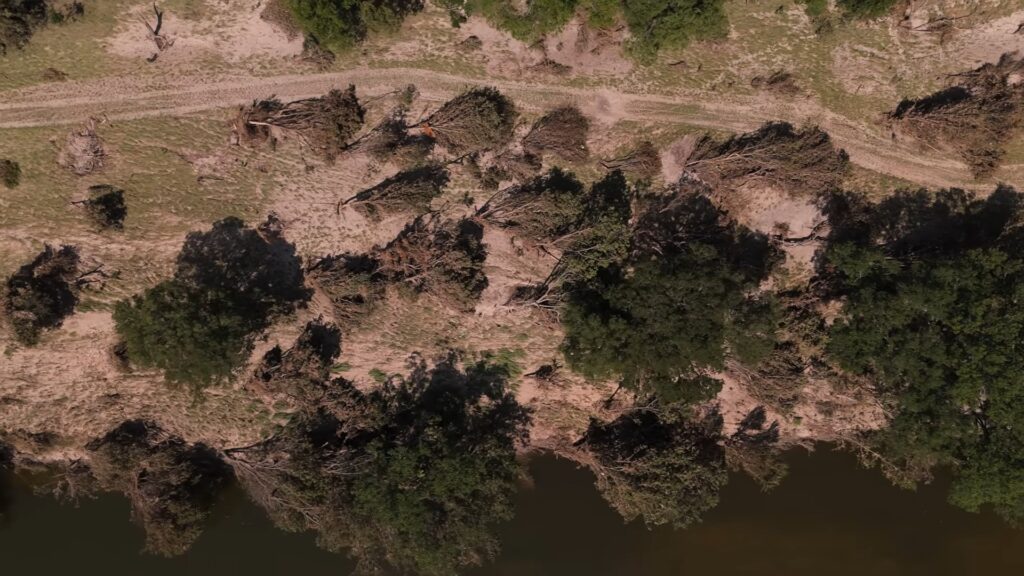
Overgrazed pastures are one of the most common challenges we see across Central Texas and the broader Hill Country. Bare soil, compacted ground, invasive plants, poor water infiltration, and declining forage are not signs of failure. They are signals that the land has been pushed beyond its recovery window without enough rest.
Reviving an overgrazed pasture can feel daunting, but with the right approach, recovery is absolutely possible. Overgrazing depletes soil nutrients, reduces biodiversity, and leaves land vulnerable to erosion. With intentional management, degraded pasture can regain function, productivity, and resilience.
This guide outlines eight practical, field-tested steps for regenerating an overgrazed pasture. Each step is supported by deeper learning pathways in our Education Hub, including resources on watershed function, soil biology, and regenerative land management in Central Texas. These practices combine soil science, plant ecology, and on-the-ground experience from land restoration projects across Central Texas. Throughout the article, you will find opportunities to explore deeper educational resources or get hands-on support through our Land Services.
Step 0. Let the Land Rest
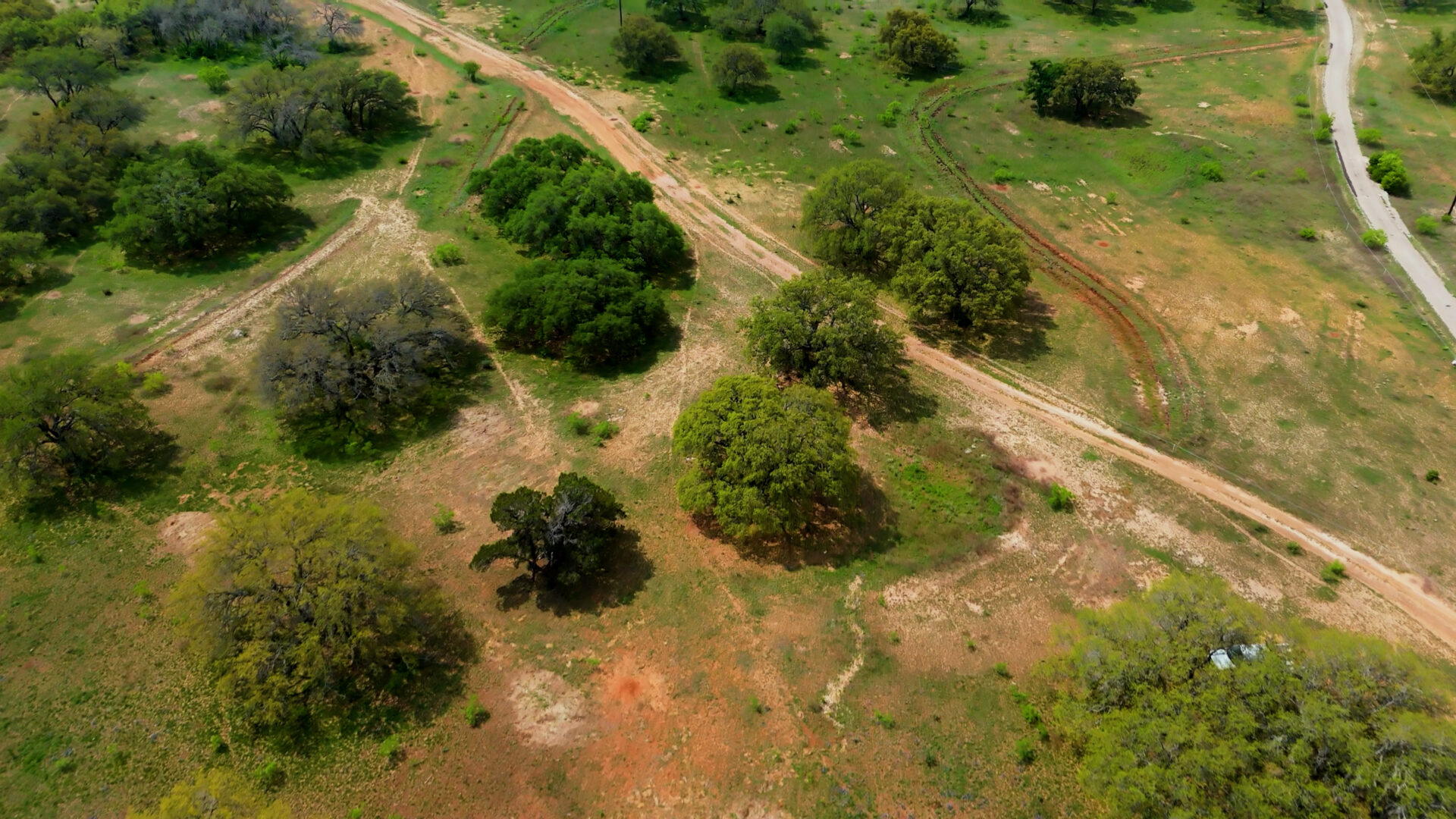
Before any intervention begins, grazing pressure must stop or be dramatically reduced. Rest is not optional. It is the foundation of recovery.
If your land is currently under an agricultural valuation (1-d-1 appraisal), notify your local county exemption agent that the pasture is being rested as part of a regeneration plan. This is a common and accepted practice when documented properly.
If selling or fully removing livestock is not feasible:
-
Designate a small sacrifice area
-
Feed hay to protect recovering pasture
-
Use rotational grazing only if labor and monitoring capacity allow
While it is possible to manage recovery with intensive rotation, full rest is far more effective and far less risky during early regeneration.
Step 1. Identify the Causes of Overgrazing
Restoration starts with understanding why the pasture declined. Overgrazing is rarely caused by animal numbers alone. It is usually driven by timing, duration, lack of recovery, and disrupted water movement across the land.
Common causes include:
-
Continuous grazing without rest periods
-
Stocking rates that exceed seasonal forage growth
-
Drought combined with unchanged grazing pressure
-
Soil compaction that reduces infiltration and root growth
Before changing anything, walk the pasture. Observe bare ground, manure distribution, plant diversity, and how water flows during rainfall events.
Explore how degraded pasture affects watershed function and runoff patterns in Central Texas.
Step 3. Improve Grazing Management
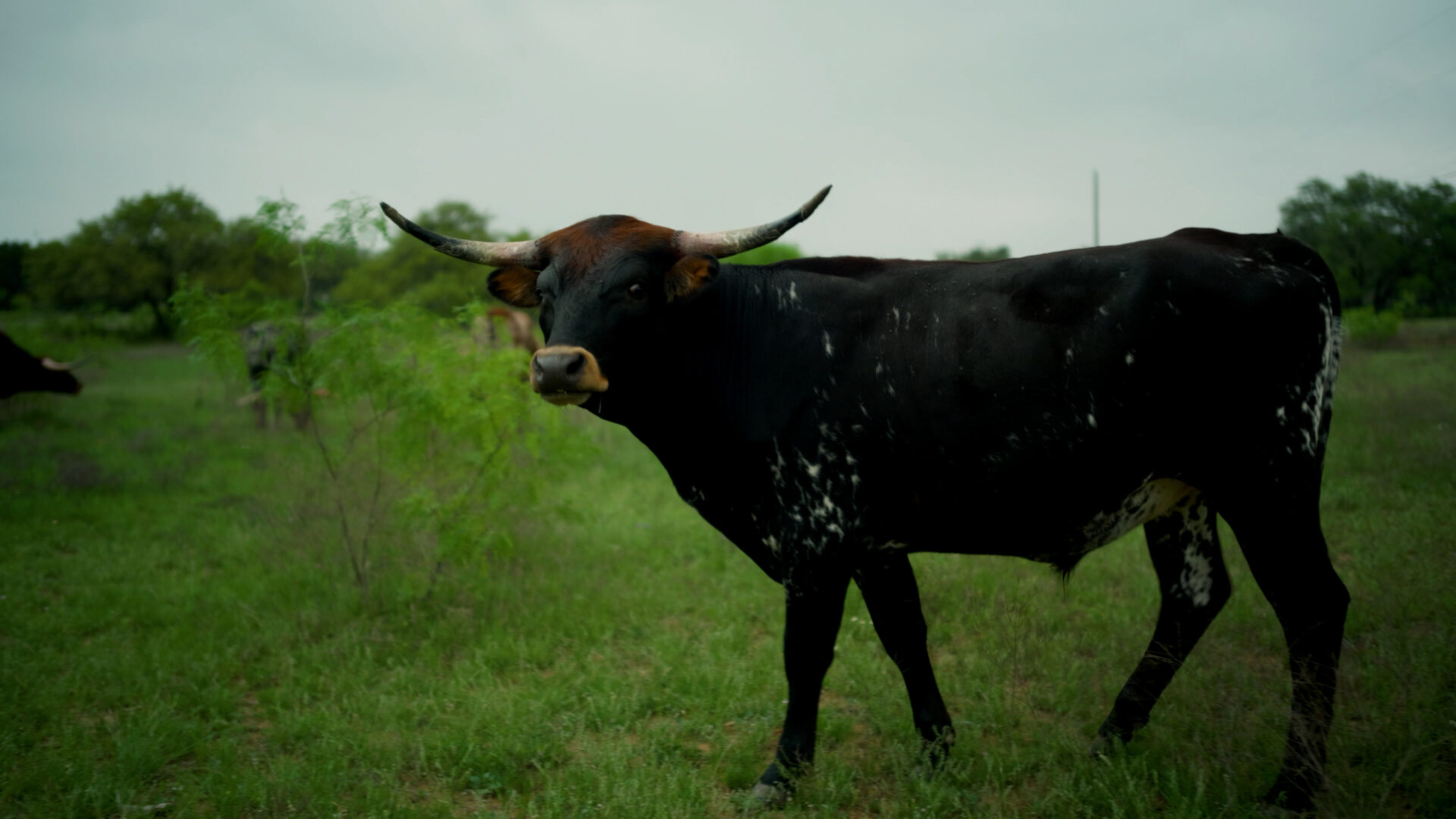
Once recovery begins, grazing must change to avoid repeating the cycle.
Adaptive grazing focuses on:
-
Short grazing durations
-
Adequate recovery periods
-
Matching stocking rates to forage availability
Rotational or planned grazing spreads impact evenly, prevents selective overgrazing, and allows plants to complete growth cycles. Well-managed grazing can become a restoration tool rather than a source of damage.
Need help redesigning your grazing plan?
Our land services team works directly with landowners to assess pasture condition, stocking rates, and recovery timelines. If you want guidance tailored to your land, rainfall patterns, and goals, explore our Land Services & Consulting offerings.
Step 4. Rebuild Soil Health First
Healthy pasture begins below ground. Overgrazed soils are often compacted, biologically inactive, and unable to absorb or store water.
In some cases, strategic mechanical intervention can accelerate recovery.
Keyline Plowing (When Appropriate)
Keyline plowing is designed to improve water distribution across the landscape while gently loosening compacted soil layers. When used correctly, it can help rehydrate soil profiles and reconnect pasture function to broader watershed processes.
This practice is most effective when combined with rest, living roots, and follow-up seeding.
Organic Soil Amendments
Begin with a soil test to identify mineral deficiencies. Focus on correcting imbalances rather than applying generic NPK fertilizer.
Effective amendments prioritize:
-
Trace minerals
-
Carbon sources
-
Biological activity
Soil biology does the real work of nutrient cycling. Amendments should support that process, not replace it.
Step 5. Seed with Cover Crops and Native Plants
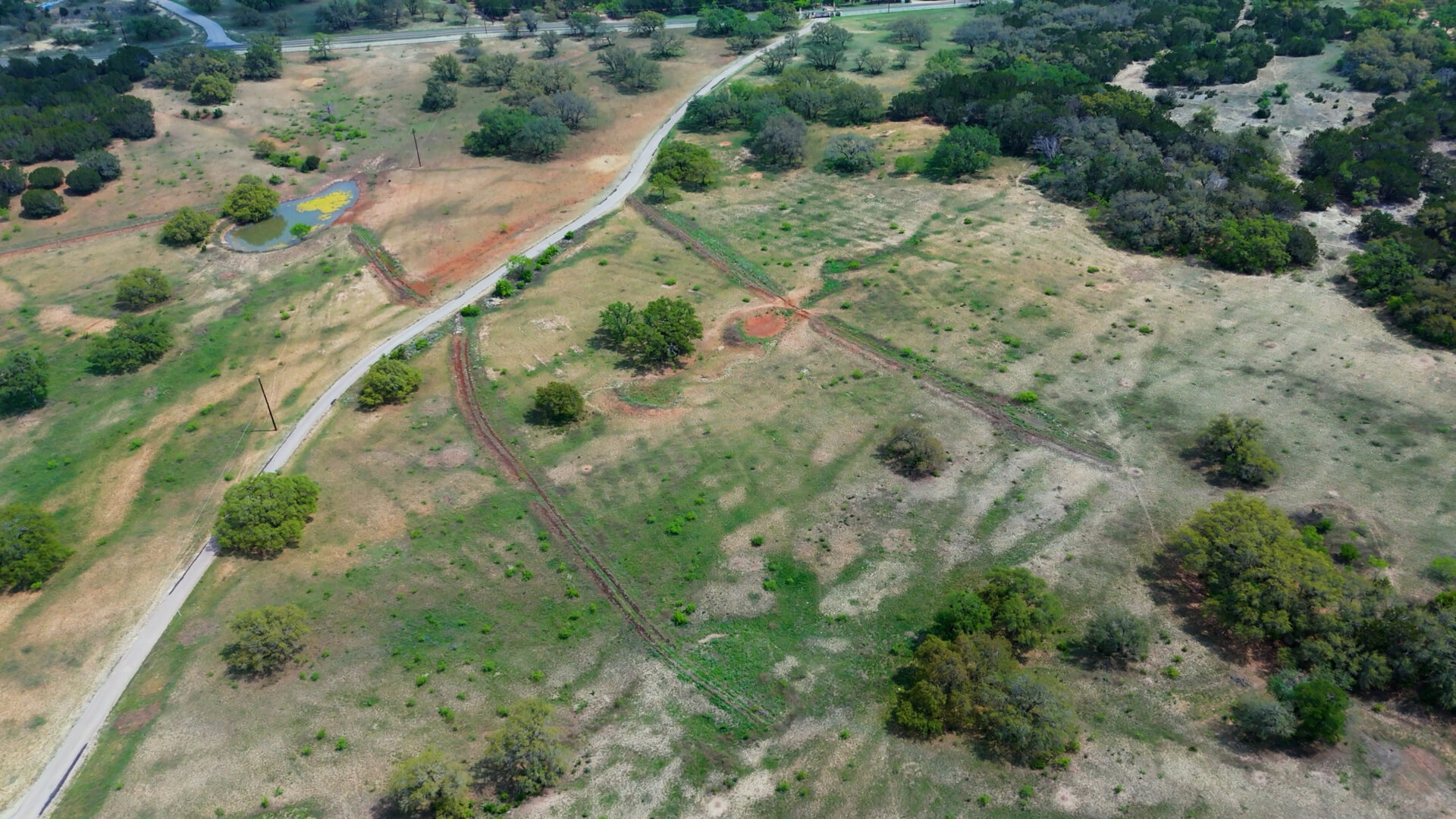
Strategic seeding jumpstarts recovery by protecting soil, feeding microbes, and restoring diversity.
A common and effective approach is:
-
80–90% cover crops for fast establishment
-
10–20% native species for long-term resilience
For best results:
-
Use a no-till drill when possible
-
If broadcasting by hand, lightly cover seed with organic straw or a thin layer of hardwood mulch
This combination provides immediate soil cover while building toward a diverse, self-sustaining plant community.
Not all plants respond equally after overgrazing. Some species rebound quickly, while others need support.
Strategies include:
-
Allowing seed production before grazing
-
Protecting young regrowth from repeated bites
-
Managing grazing timing around rainfall
If reseeding is necessary, focus on species adapted to your region and soils. Native and well-adapted perennials provide more resilience than fast-growing annuals alone.
Step 6. Activate Soil Biology with Bio-Fertilizer or Compost Tea
Liquid biological inputs such as compost tea or bio-fertilizer can accelerate microbial recovery in degraded soils.
These applications:
-
Increase nutrient cycling
-
Improve root–microbe relationships
-
Support early plant establishment
Applied after rainfall or irrigation, biological sprays help rebuild soil function without relying on synthetic inputs.
Explore how soil biology influences water holding capacity and drought resilience.
Weeds are often symptoms of bare soil and disrupted cycles. Aggressive spraying without addressing root causes usually leads to new problems.
Effective weed management focuses on:
-
Increasing plant competition
-
Restoring soil cover
-
Improving grazing distribution
As soil health and plant density improve, many invasive species decline naturally.
Step 7. Let Cover Crops Go to Seed and Reseed Seasonally

Allow cover crops to grow undisturbed for two to three months, depending on weather and species. Wait until seed heads harden before mowing or grazing.
This allows mature seed to fall back into the soil, building a seed bank that reduces future seeding costs.
Follow with seasonal mixes:
-
Fall: Cool-season cover crops
-
Spring: Warm-season cover crops
As soil conditions improve, native species already present in the seed bank often begin to express. This is where regeneration gains momentum and landscapes begin restoring themselves.
Overgrazed pastures shed water instead of absorbing it. Restoring infiltration is critical for long-term recovery.
Practical actions include:
-
Maintaining continuous ground cover
-
Slowing runoff with contour features where appropriate
-
Avoiding compaction during wet conditions
Healthy pasture acts like a sponge, capturing rainfall and recharging soil moisture rather than losing it to erosion.
Step 8. Implement Rotational Grazing for Long-Term Success
Once recovery is underway, grazing management must change permanently.
Rotational grazing mimics the movement of large wild herds that grasslands evolved alongside. Short grazing periods followed by adequate recovery allow plants to rebuild root systems and soil organic matter.
When managed correctly, rotational grazing:
-
Prevents repeated overgrazing
-
Improves soil structure
-
Reduces input costs
-
Increases long-term carrying capacity
This approach turns grazing into a regeneration tool rather than a source of degradation.
Monitor, Adjust, and Stay Adaptive
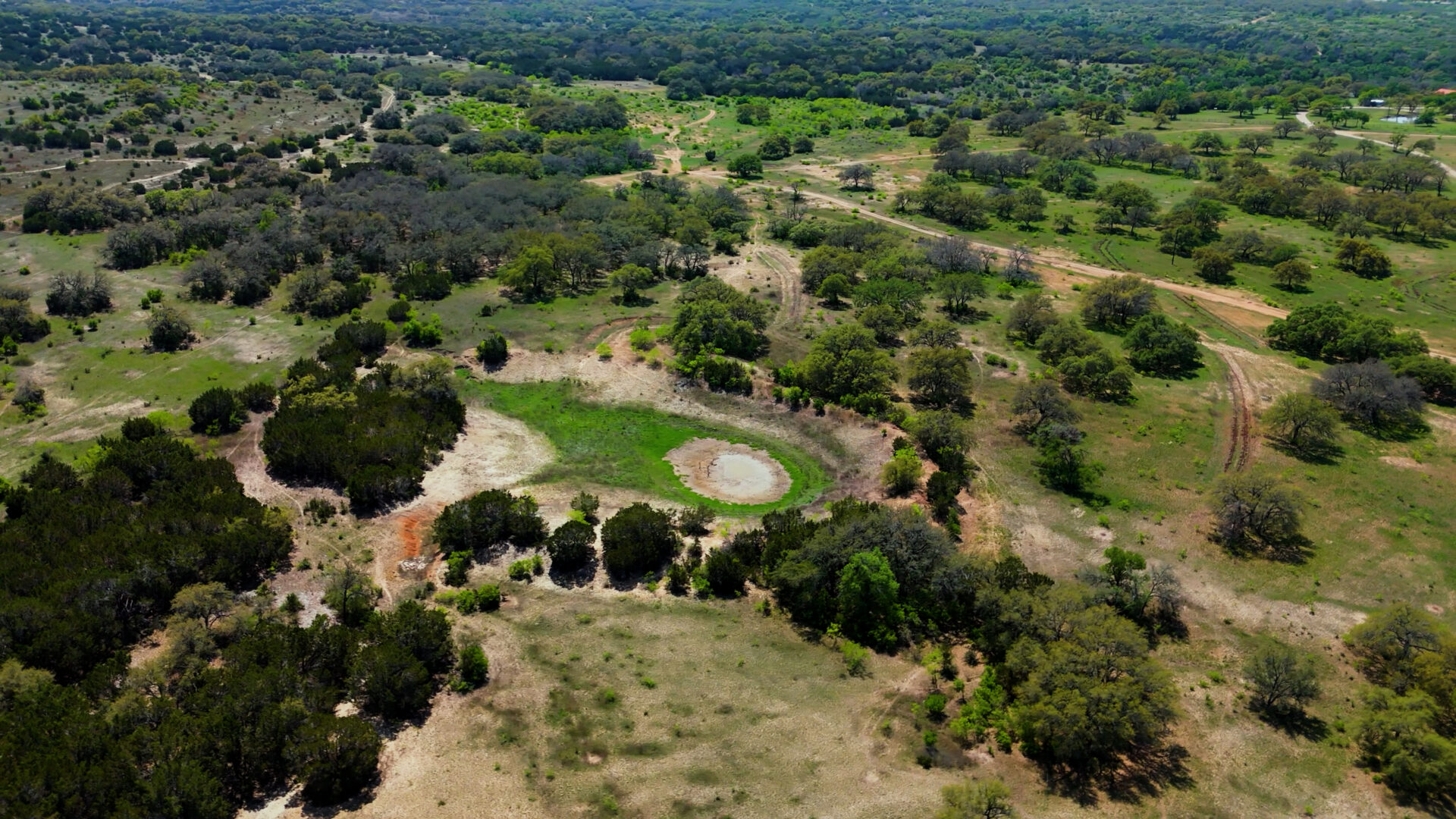
Land restoration is not linear. Weather, forage growth, and livestock behavior change year to year.
Key indicators to monitor include:
-
Residual plant height
-
Root depth and soil aggregation
-
Water infiltration after rainfall
Adaptive management means responding to what the land is showing you, not following rigid calendars.
Land restoration is not linear. Weather, forage growth, and animal behavior all change year to year.
Key indicators to monitor:
-
Residual plant height after grazing
-
Root depth and soil aggregation
-
Water infiltration after rainfall
Adaptive management means responding to what the land is telling you, not following rigid schedules.
Why This Matters
Healthy pasture is a cornerstone of healthy watersheds. Grasslands with intact root systems slow runoff, filter sediment, recharge groundwater, and protect downstream rivers and aquifers.
In Central Texas, land management decisions made at the pasture scale directly influence flooding, drought severity, and long-term water availability.
Texas’s natural resource wealth is declining in many regions due to overgrazing and extractive land management. Healthy pasture plays a critical role in supporting biodiversity, protecting water resources, and preventing desertification.
Regenerating overgrazed land helps rebuild functional grasslands that most of us have never seen in our lifetimes.
From Pasture Recovery to Whole-Land Regeneration
Reviving an overgrazed pasture is often the first step toward broader land health improvements. As soil function returns, benefits extend to water quality, wildlife habitat, and long-term productivity.
This article is part of the Symbiosis TX Education Hub, where we connect practical land management with the ecological processes that make it work.
Explore next:
If you want seasonal insights, case studies, and field-based education, subscribe to our newsletter or explore our video library.
Work With Symbiosis TX
Restoring an overgrazed pasture is rarely a one-size-fits-all process. Soil type, rainfall variability, plant communities, infrastructure, and management goals all shape what recovery looks like on a specific property.
Our Land Services are designed to help landowners move from degraded pasture to resilient, functional landscapes through:
-
On-site land and pasture assessments
-
Grazing and recovery planning
-
Soil, water, and vegetation evaluation
-
Long-term regenerative land strategy
If you are ready for hands-on support or want a clearer path forward for your land, learn more about working with our Land Services team.
Explore the Education Hub:
For foundational context across land regeneration and water health, visit our Central Texas Land Regeneration Education hub.
Your HOA Cannot Ban a Water-Wise Yard in Texas
Texas law voids HOA rules against drought-resistant landscaping, and three 2025 bills went further. What…

Rainwater Catchment in Central Texas
How to size a rainwater tank for Central Texas' feast-or-drought rain pattern, and the story…
The NRCS Will Help Pay for Biochar on Texas Land
The NRCS covers most of the cost to spread biochar on Texas land through EQIP…
Why We Started Building Homes (And How We Do It Differently)
Companion article to our video Why We Started Building Homes (And How We Do It…

Disaster Recovery Grants for Texas Landowners: The 2026 Guide
Last verified August 1, 2026. Program rates and deadlines change. We update this page as…