Regenerative landscapes for Central Texas that bring beauty, resilience, and function together:
Design your land to nourish you, your family, and the local ecosystem with food forests, water harvesting, soil regeneration, native habitat, and thoughtful planning.
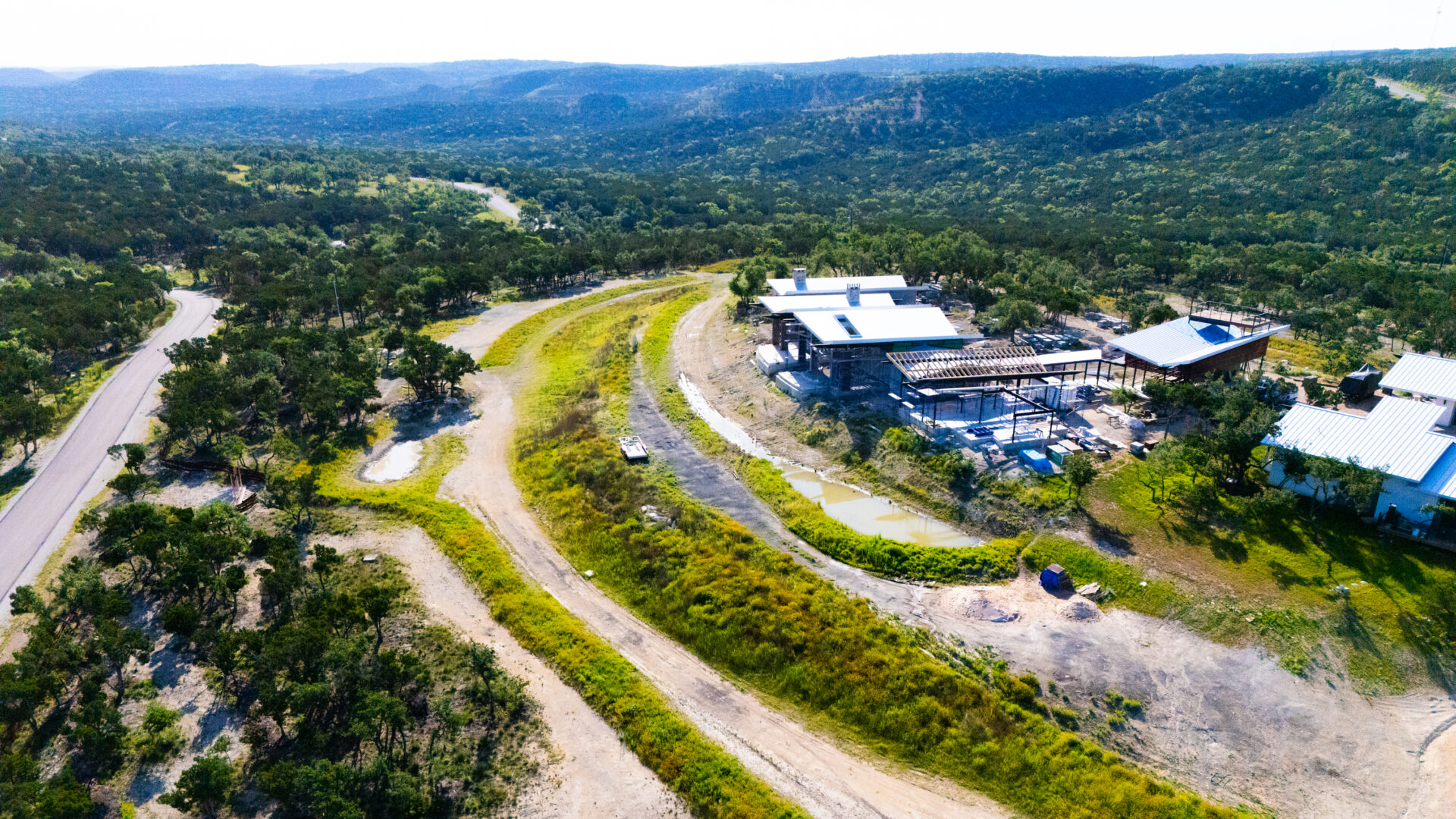
Since 2013, Symbiosis LLC has helped landowners across Central Texas turn raw or struggling land into thriving, productive, and ecologically balanced places. Whether you want an edible garden, a self watering rain catchment system, a drought resilient food forest, or a wildlife friendly habitat, we help you create a landscape that works with nature.
Our approach blends ecological design, water awareness, and practical land management so your landscape becomes both enjoyable and regenerative. You will find everything you need on this page. What we offer, how we work, and how you can begin your own landscape transformation.
What We Offer:
Each landscape design is tailored to the land and the goals of the owner. Here are the core services we provide.

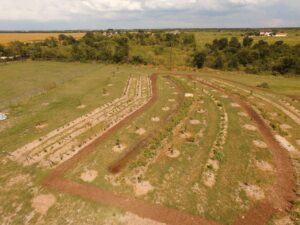
Food Forests and Edible Landscapes
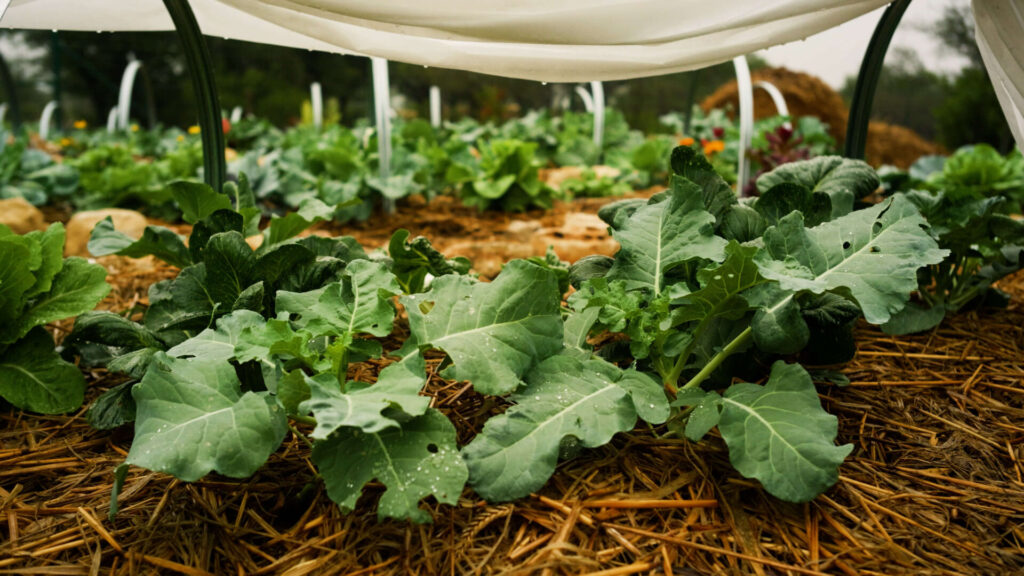
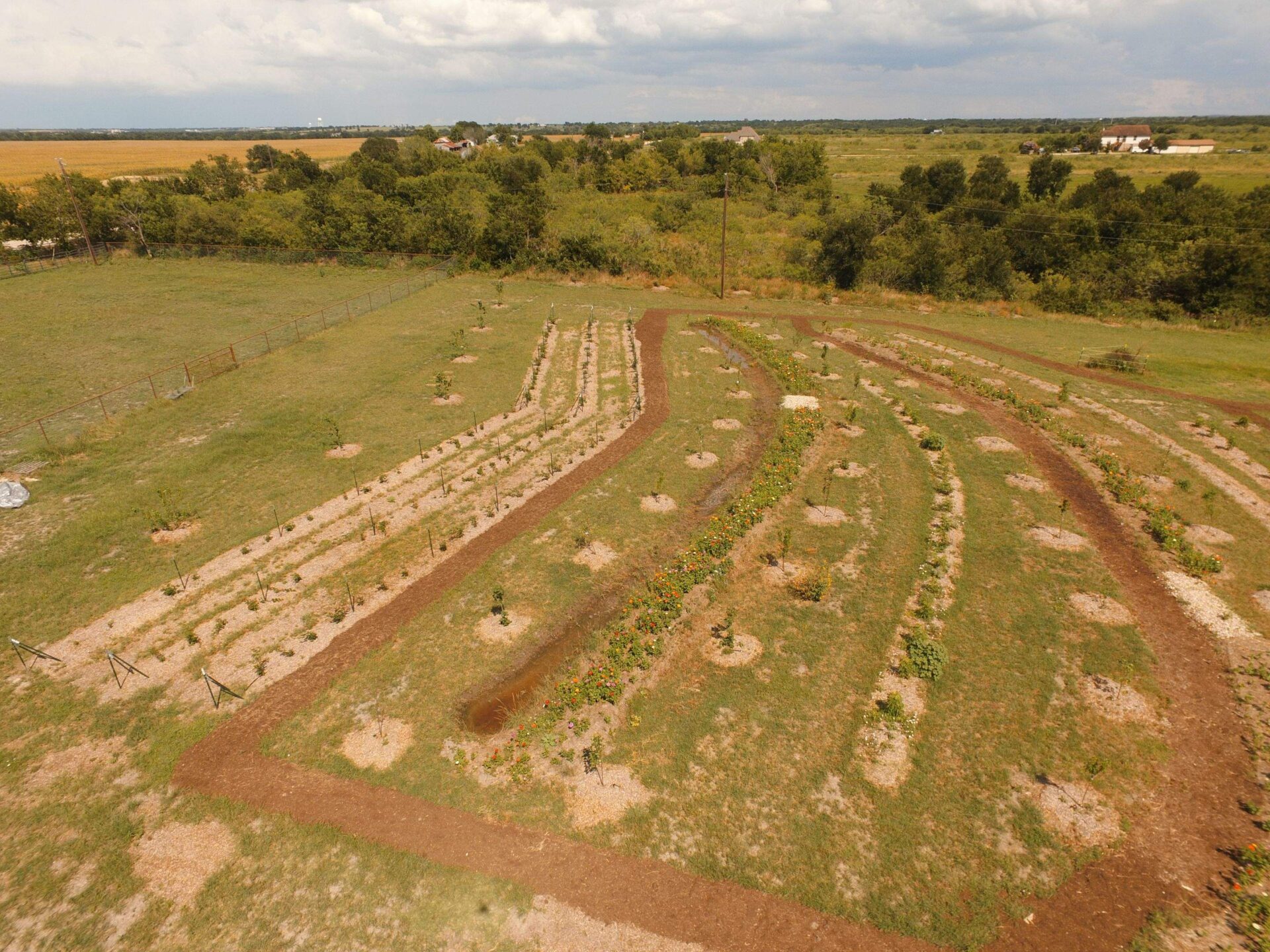
We design perennial food systems that produce harvests for years with very little upkeep. Fruit and nut trees, edible shrubs, support species, perennial vegetables, herbs, and seasonal zones come together in a way that mimics natural ecosystems and supports year round abundance.
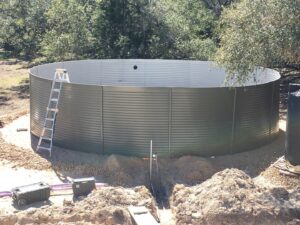
Rainwater Harvesting and Water Systems
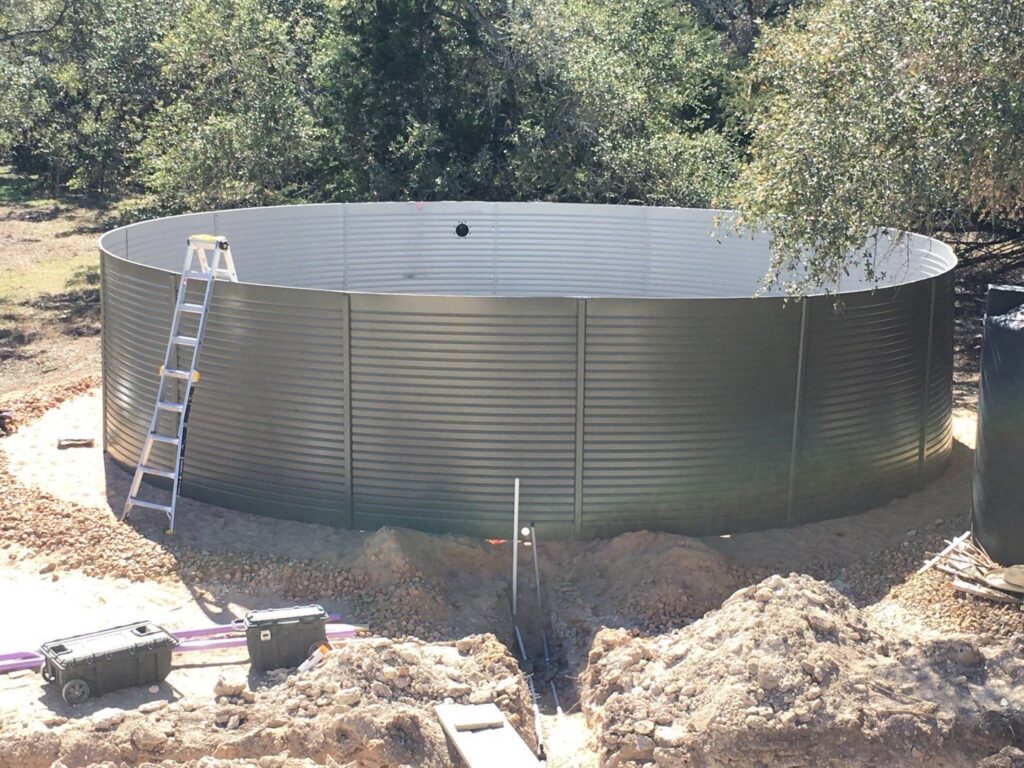
We design swales, berms, rain tanks, greywater systems, and earthworks that help you catch, store, and reuse water. Central Texas rainfall is irregular and often intense. A well designed water system helps your land stay green and productive through long dry periods.
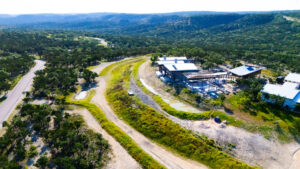
Soil Regeneration and Soil Health
Healthy soil is the foundation of every successful landscape. We use composting, sheet mulching, organic matter building, low disturbance methods, and soil biology enhancement to revive compacted or depleted soils so they hold more moisture and support healthier plants.
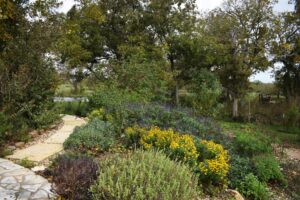
Native Habitat and Ecosystem Design
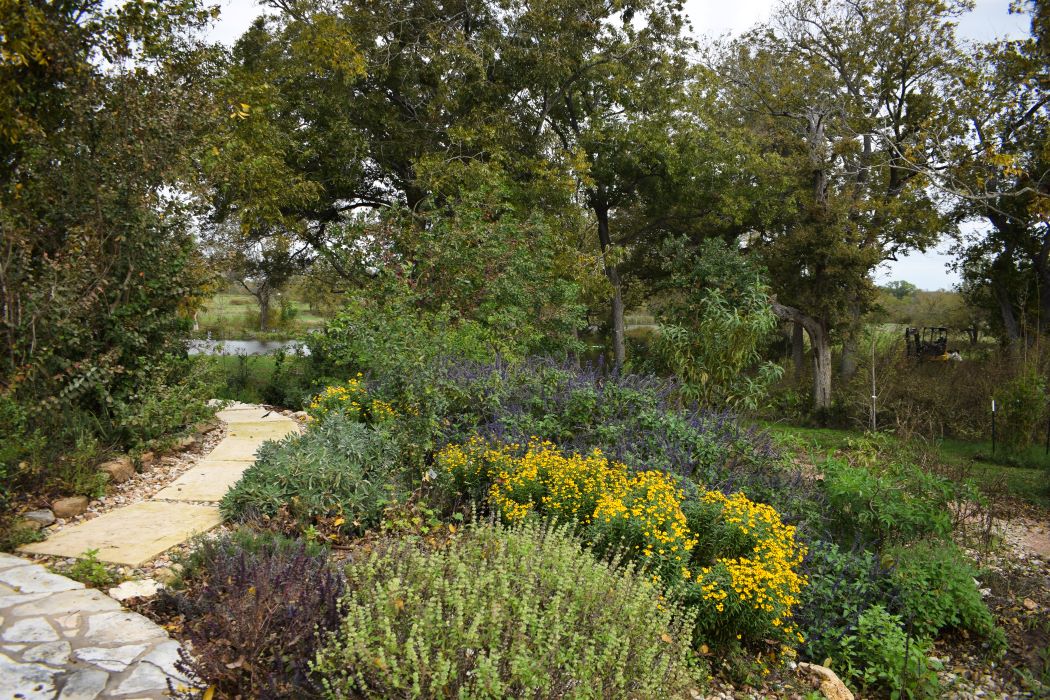
Native grasses, wildflowers, pollinator gardens, wildlife zones, and biodiversity corridors help your land support the larger ecosystem. These habitats also strengthen the resilience of your landscape to drought, pests, and nutrient imbalance.
Hardscaping and Functional Layouts
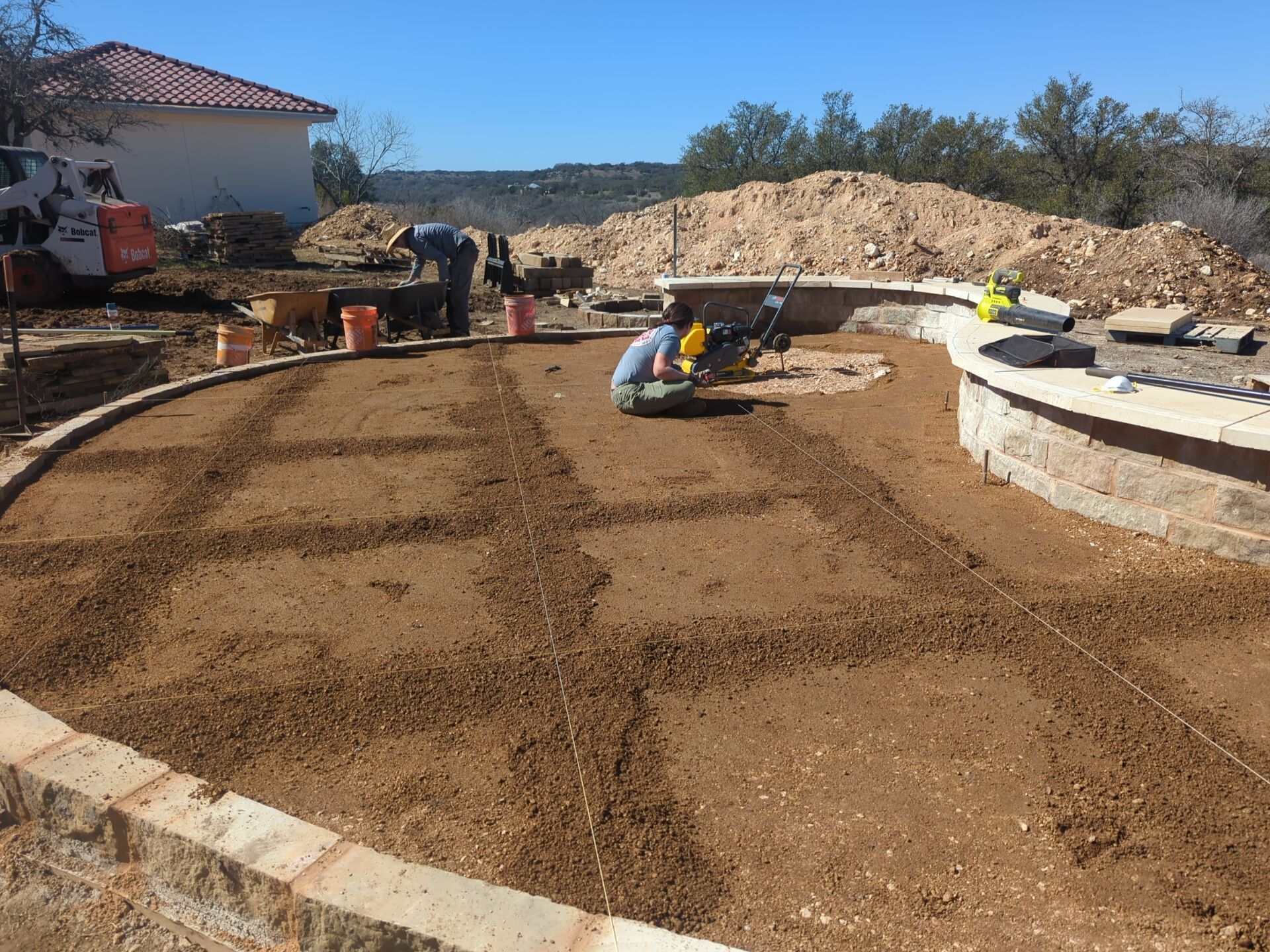
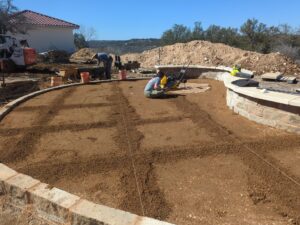
Paths, terraces, planting zones, outdoor living spaces, shade structures, and access routes help your landscape function smoothly. Good layout design reduces labor, improves water flow, and makes the space more pleasant to use.
Maintenance and Long Term Stewardship
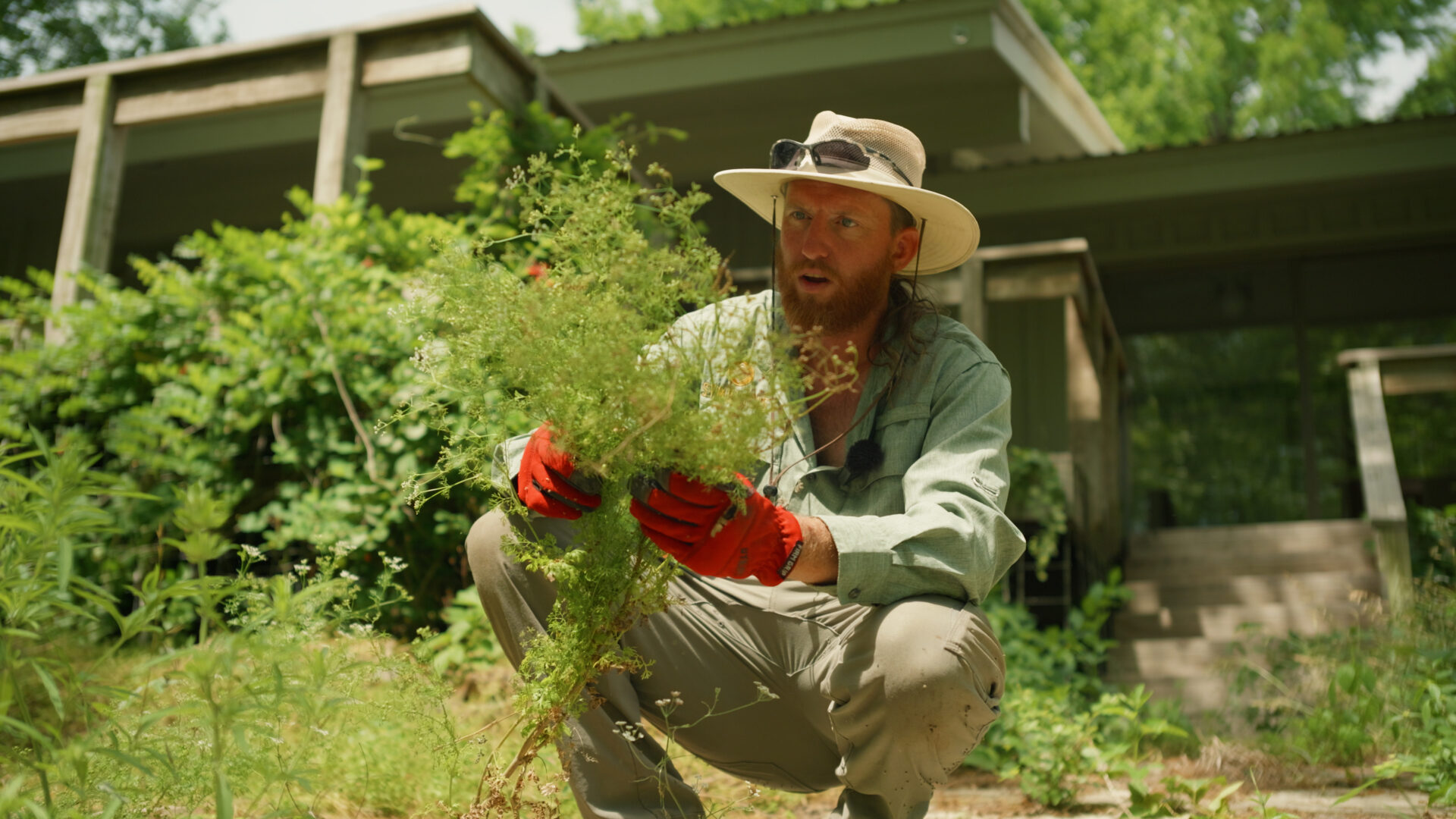
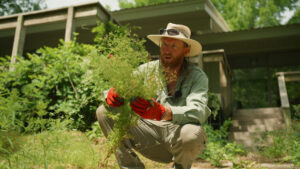
After installation we can guide the process of seasonal adjustments, soil building, plant care, and ecological monitoring so your landscape matures with intention.
Food Forests and Edible Landscapes
We design perennial food systems that produce harvests for years with very little upkeep. Fruit and nut trees, edible shrubs, support species, perennial vegetables, herbs, and seasonal zones come together in a way that mimics natural ecosystems and supports year round abundance.
Rainwater Harvesting and Water Systems
We design swales, berms, rain tanks, greywater systems, and earthworks that help you catch, store, and reuse water. Central Texas rainfall is irregular and often intense. A well designed water system helps your land stay green and productive through long dry periods.
Soil Regeneration and Soil Health
Healthy soil is the foundation of every successful landscape. We use composting, sheet mulching, organic matter building, low disturbance methods, and soil biology enhancement to revive compacted or depleted soils so they hold more moisture and support healthier plants.
Native Habitat and Ecosystem Design
Native grasses, wildflowers, pollinator gardens, wildlife zones, and biodiversity corridors help your land support the larger ecosystem. These habitats also strengthen the resilience of your landscape to drought, pests, and nutrient imbalance.
Hardscaping and Functional Layouts
Paths, terraces, planting zones, outdoor living spaces, shade structures, and access routes help your landscape function smoothly. Good layout design reduces labor, improves water flow, and makes the space more pleasant to use.
Maintenance and Long Term Stewardship
After installation we can guide the process of seasonal adjustments, soil building, plant care, and ecological monitoring so your landscape matures with intention.
Why Permaculture and Regenerative Design Matter in Central Texas:
Central Texas landscapes face shallow soils, unpredictable rainfall, heavy downpours, extended drought, and heat extremes. Without good design, many landscapes require constant watering and still struggle.
A regenerative approach addresses these issues at the source.
Benefits of a Regenerative Landscape
Soil that holds moisture naturally
Rainwater systems that reduce or eliminate supplemental irrigation
Greater biodiversity and healthier plant communities
Less maintenance over time
Food, medicine, shade, wildlife benefits, and ecological services that increase each year
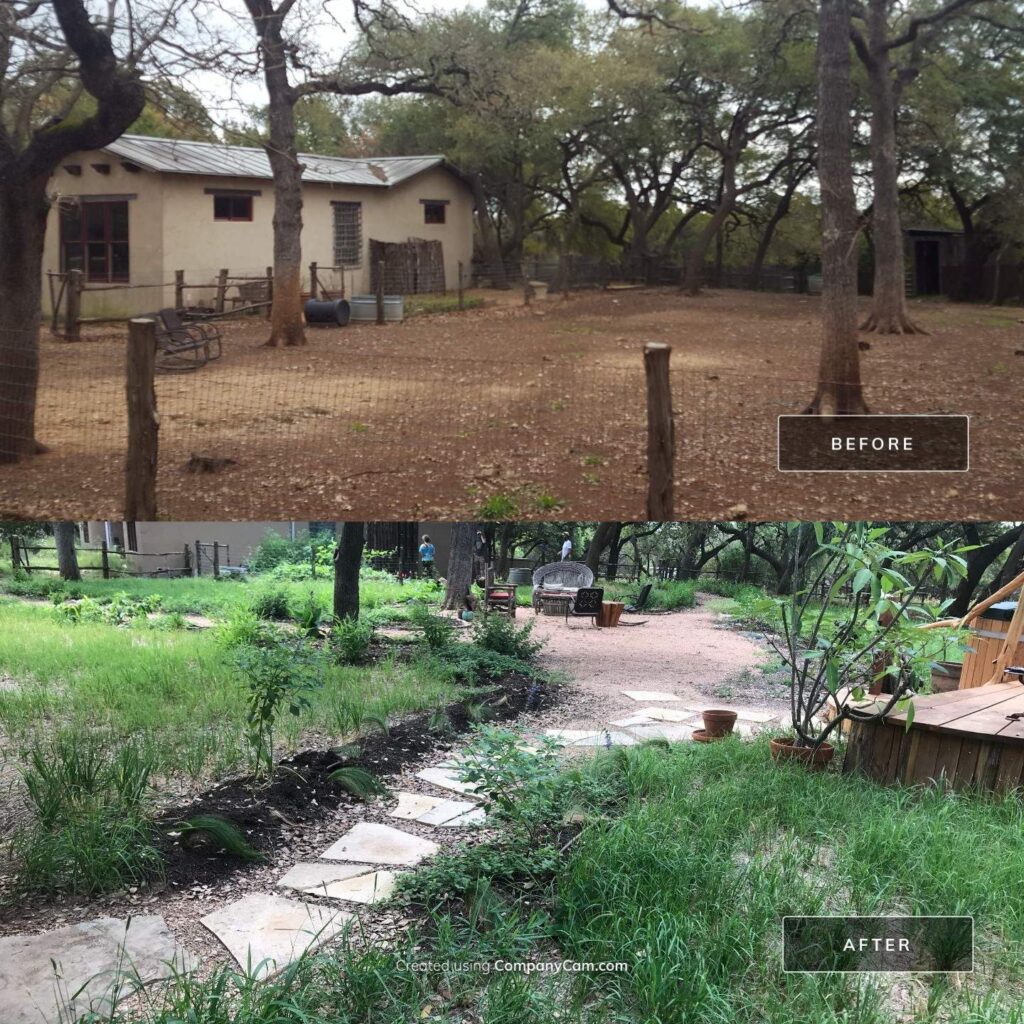
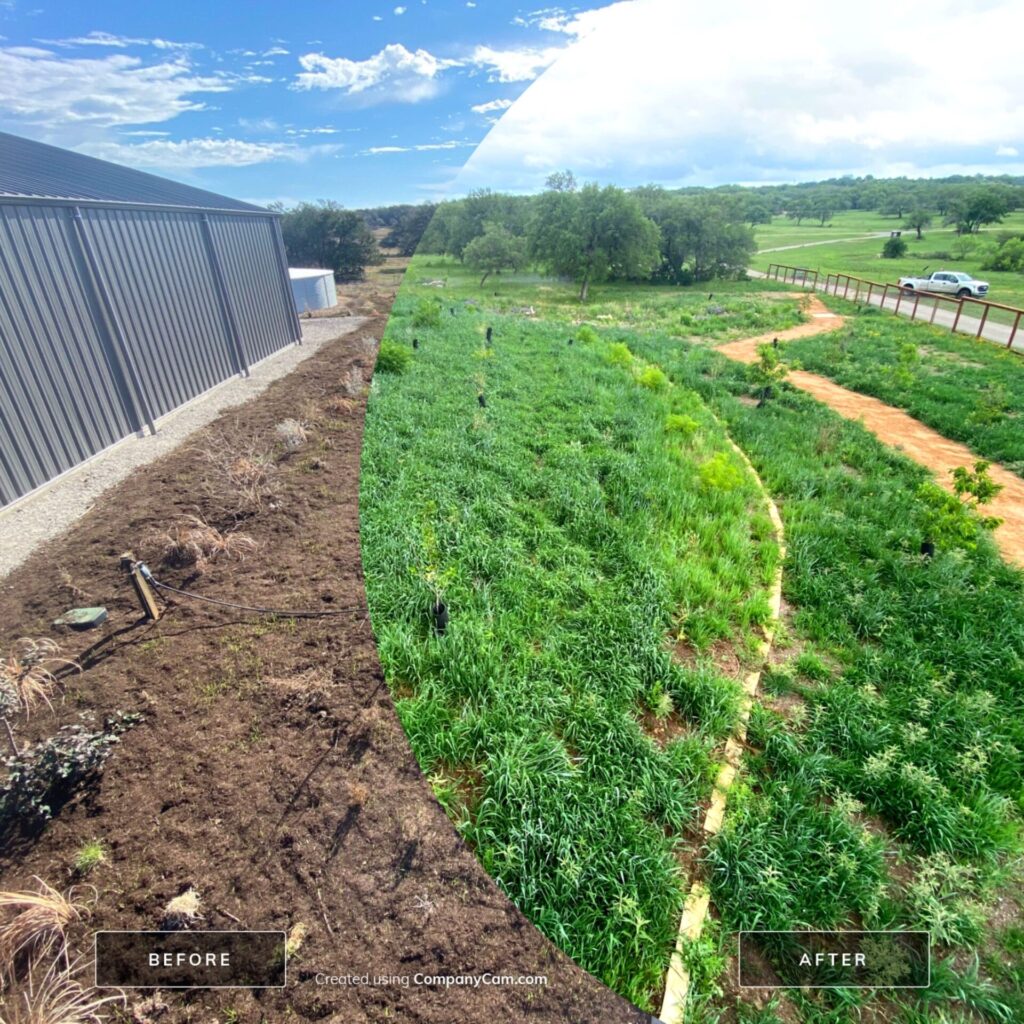
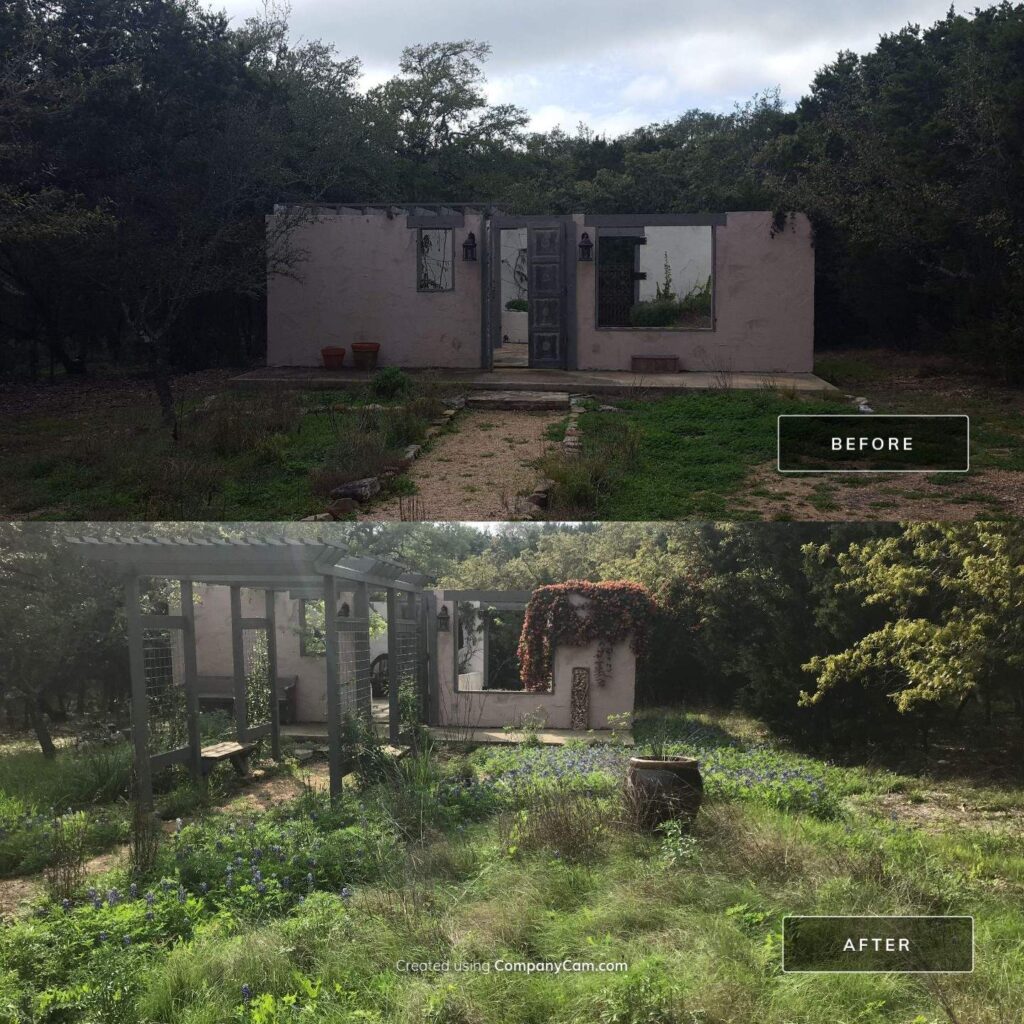
Our clients often see transformations like these:
How We Work:
Step 1:
Discovery and Site Assessment
We learn about your land, your goals, your challenges, and your long term vision. Then we walk the site, study the soils, observe water movement, note sun patterns, and look at the ecology already present.
Step 2:
Custom Design Plan
We create a design that includes layout, plant selection, water systems, access, shade, maintenance considerations, soil improvements, and a phased plan for implementation. Your landscape becomes a system rather than a collection of unrelated parts.
Step 3:
Implementation and Earthworks
We shape the land, install plant systems, build soil, integrate water features, and construct any hardscape elements. This is where the long term function of the landscape begins to take form.
Step 4:
Stewardship and Ongoing Support
Once installed, landscapes continue to evolve. We help with seasonal maintenance, adaptive changes, and ecological monitoring so your investment continues to grow.
Frequently Asked Questions
Do I need a large property?
No. Even small spaces benefit from water harvesting, soil improvement, and thoughtful plant design. We work with everything from city backyards to large ranches.
How much water can a system save?
With proper design your landscape can rely almost entirely on stored rainfall and soil moisture for much of the year. Many of our clients see major reductions in water use.
Is permaculture high maintenance?
During the early stages there is some setup and establishment. After that, a well designed system becomes increasingly self sustaining as soil improves and plants mature.
How long until I see results?
Some changes appear within months. Soil improves, water retention increases, and early plantings establish quickly. The full maturity of a food forest or native habitat takes a few years. These systems are designed for long term growth and compounding value.
Ready to Transform Your Landscape?
If you want a landscape that works with nature rather than against it, we would love to help. Your land can become more productive, beautiful, and resilient with the right plan and implementation.
Read More:
Central Texas Cold-Weather Planting Guide
A Seasonal Chart for Cool-Season Herbs & Vegetables Cold weather in Central Texas does not…
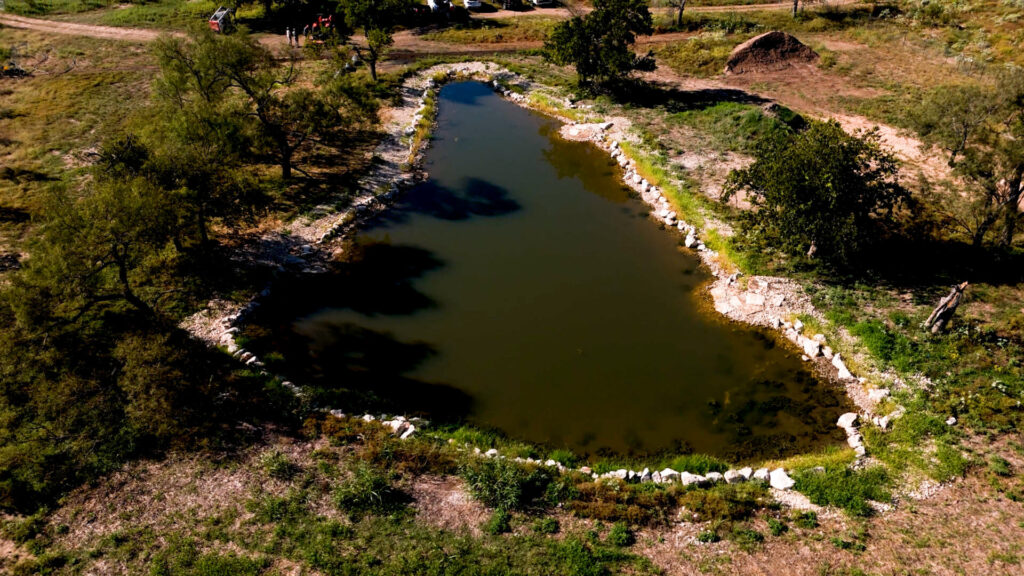
Building a Healthy Pond in Central Texas
Learn how to design, build, and maintain an ecologically functional pond in Central Texas. This…
Smart Weeding in Central Texas for Healthier Soil and Ecosystems
Weeding in Central Texas isn’t just about pulling unwanted plants. It’s a critical part of…